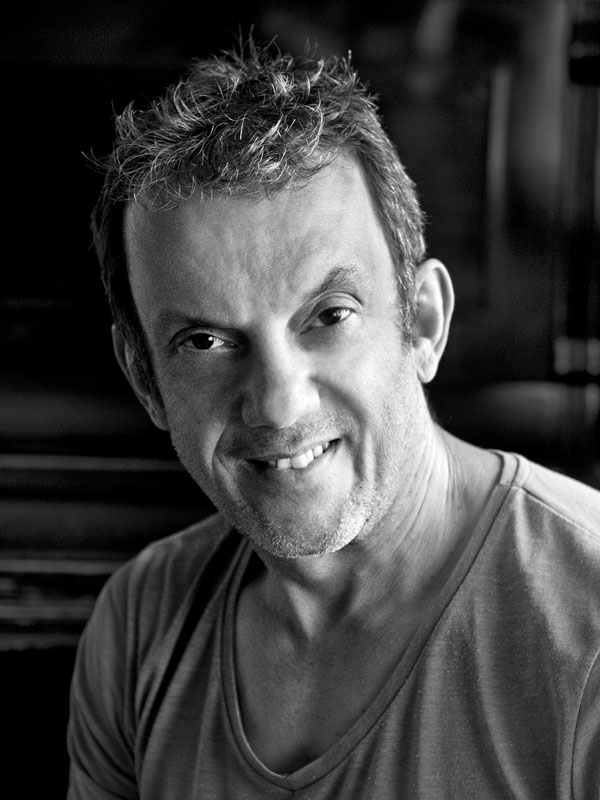
I am a professional photographer based in Athens, Greece.
I studied photography at the Focus schools (photography & video art) 1990-93 and at the Greek Leica Academy 1997-2000.
I worked as a civil servant (1990-2000). In 2000 I quit my job to work as a professional photographer.
I did freelance work for publishing groups and advertising agencies.
Since 2013, I have been working on long-term, people-centered topics with a focus on contemporary social issues.
I like to photograph experientially.
I worked as a photography tutor at Leica Akademie Greece (1997-2021).
I am a member of the Greek Press Photo Union and a member of the Supervisory Board of Foebus (Intellectual Property Rights of Photographers).
My photographs are included in the permanent collection of the Thessaloniki Museum of Photography (MoMus).
In 2022 I received the 1st Award in the APW (Athens Photo World) contest.
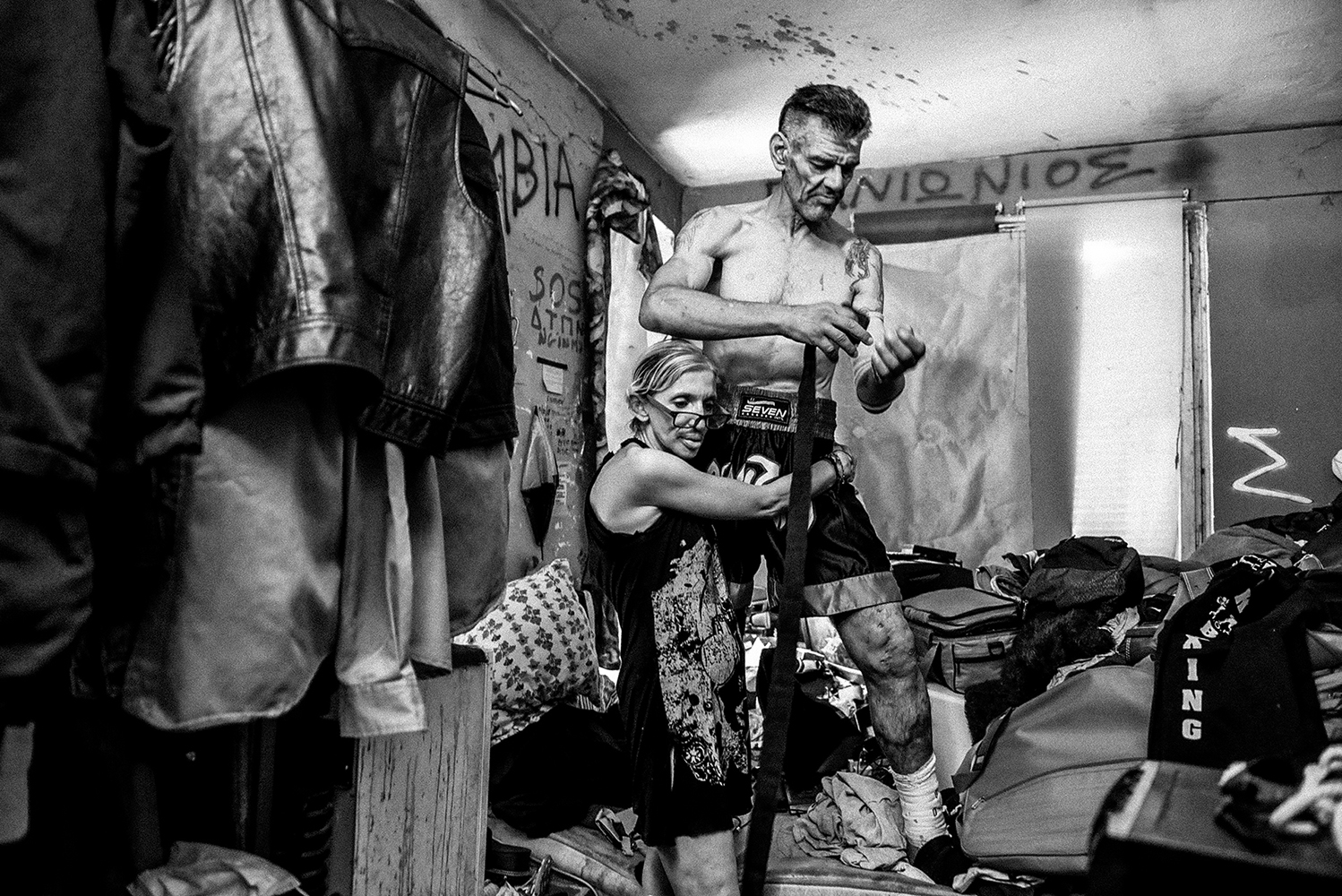
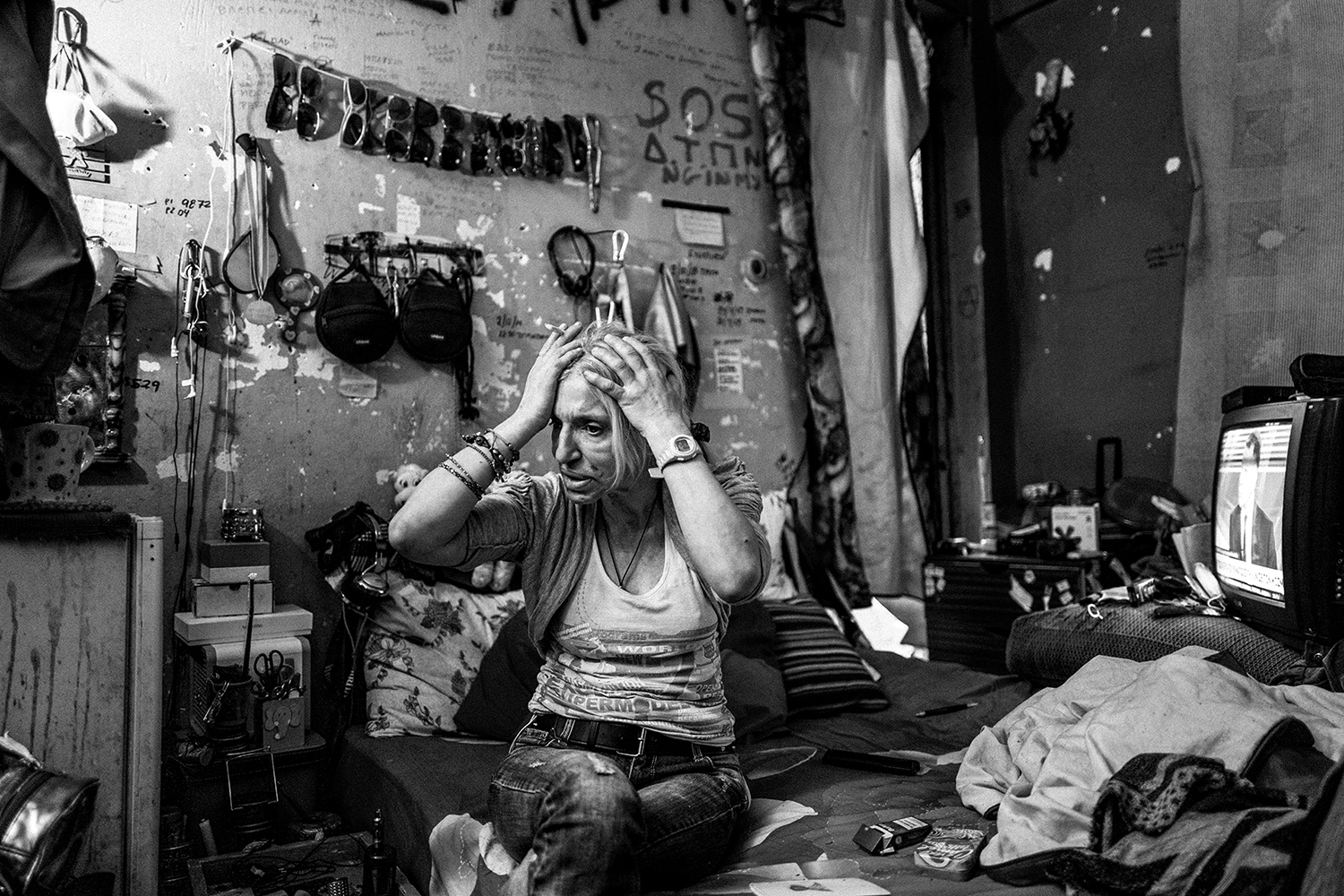
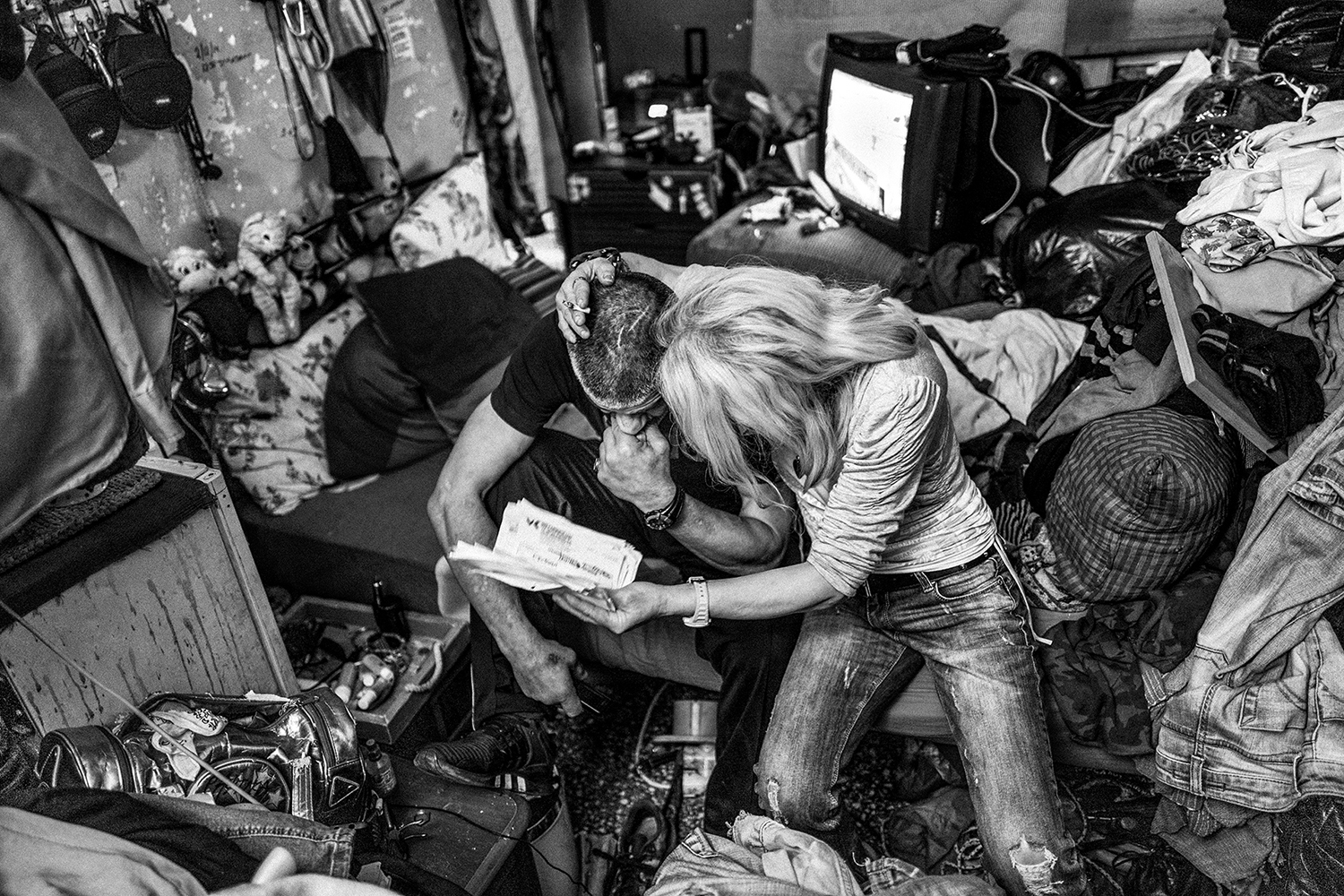
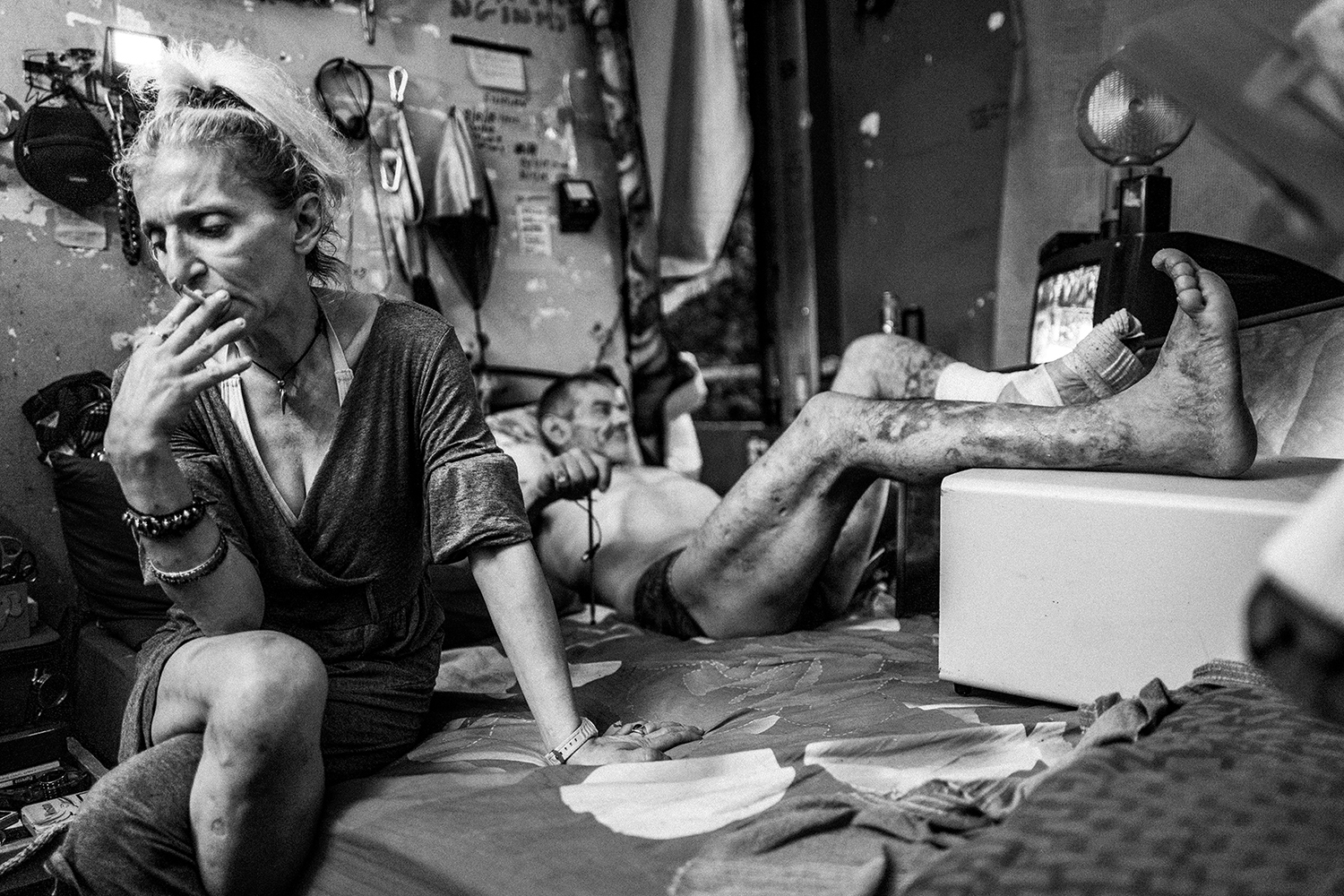
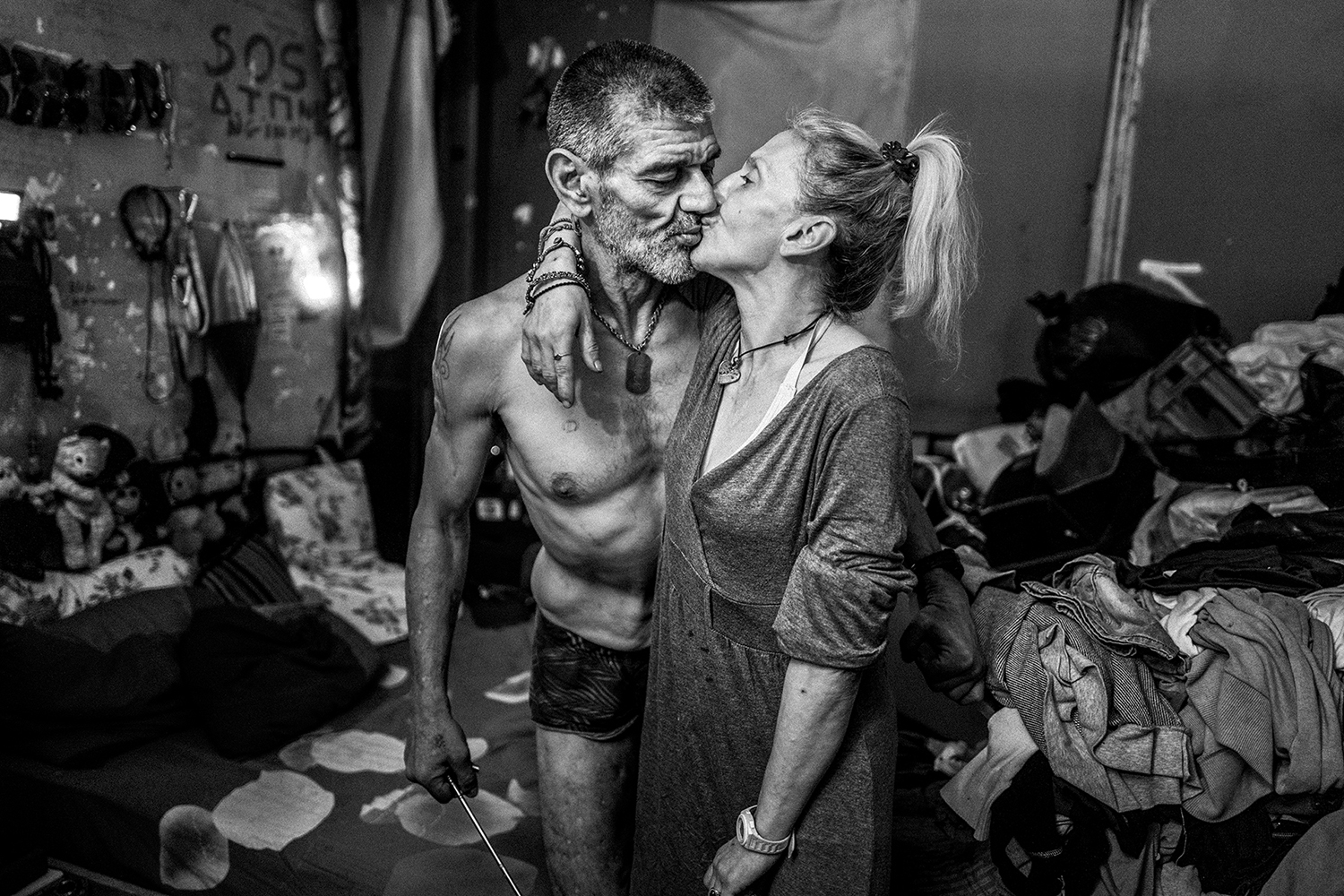
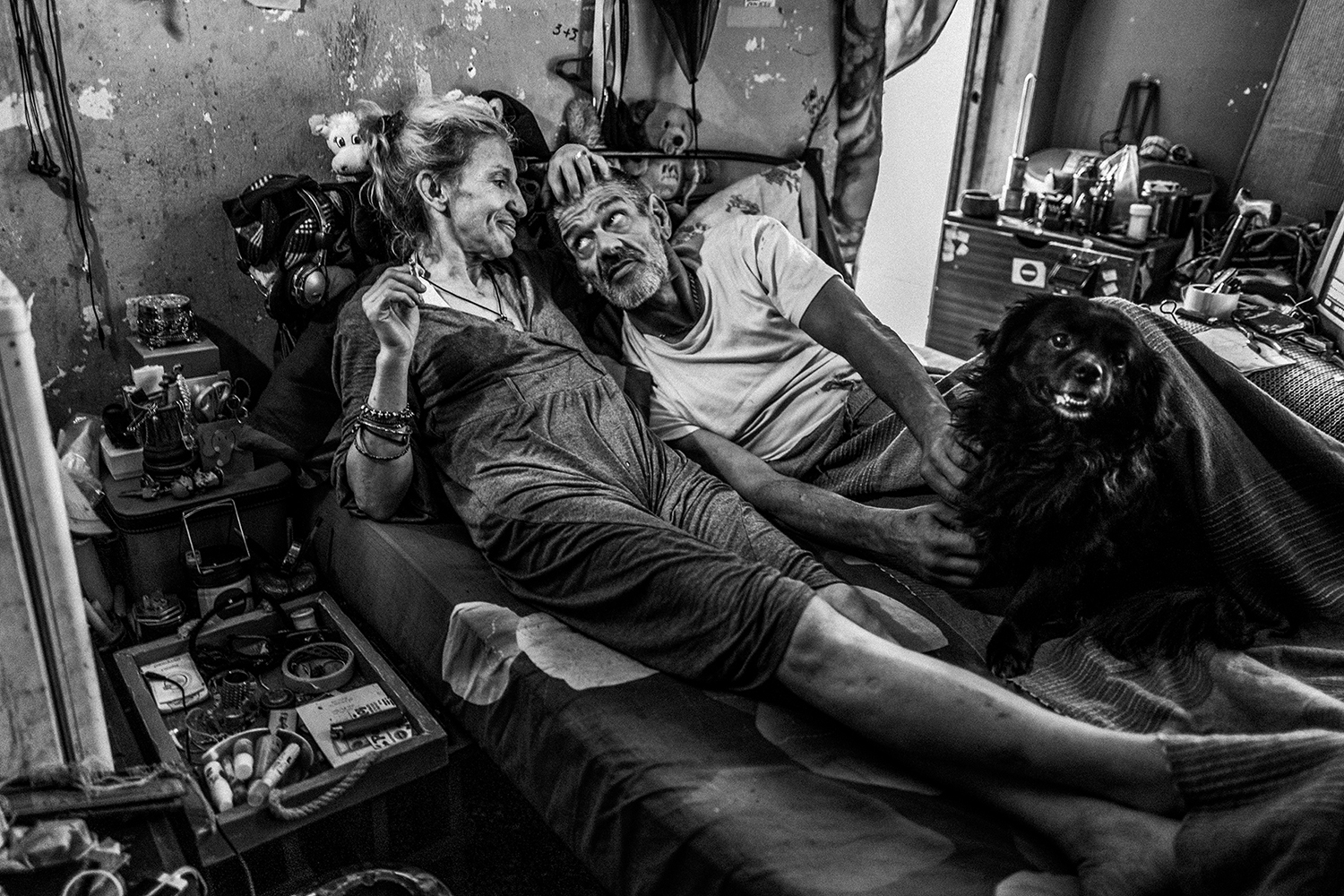
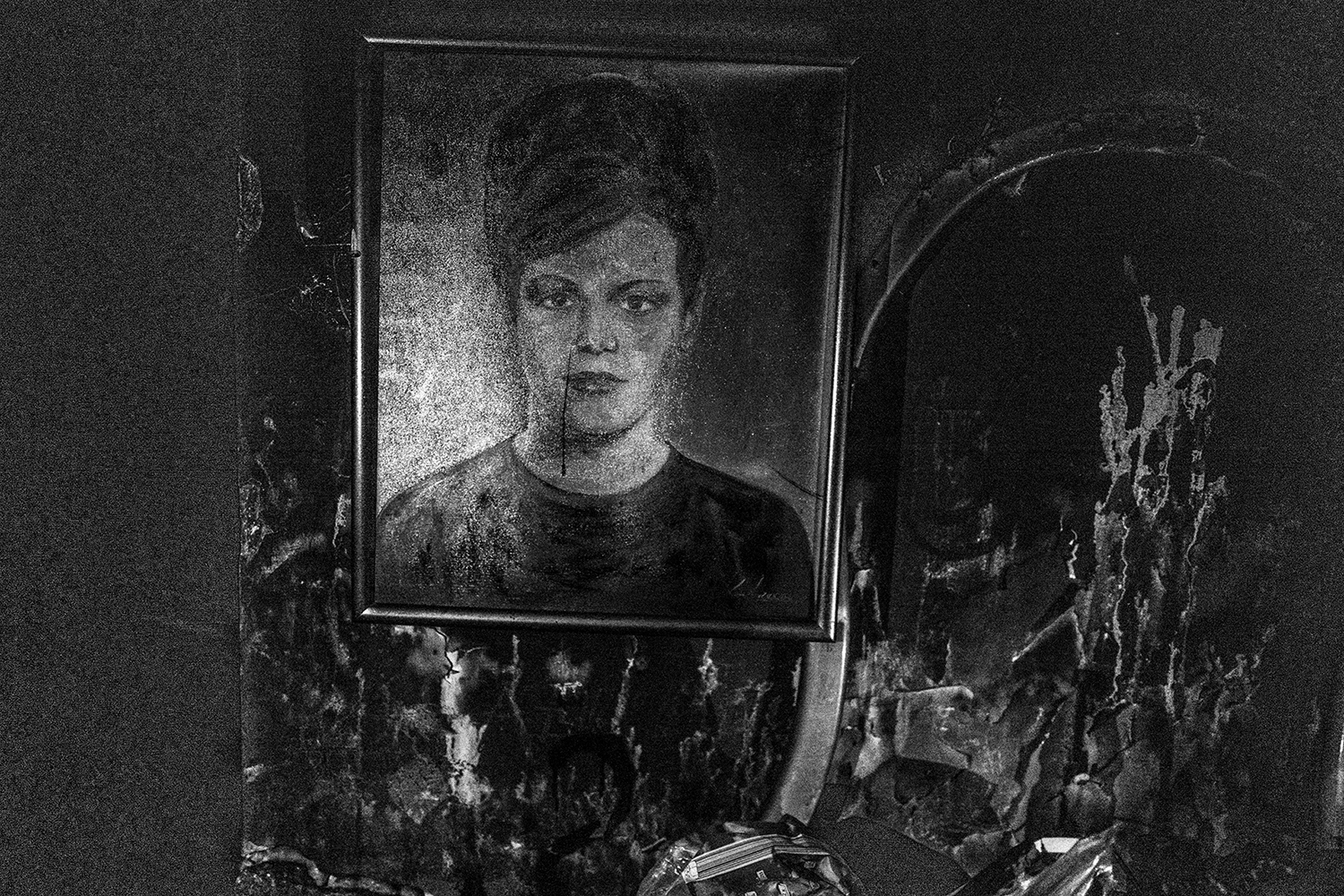
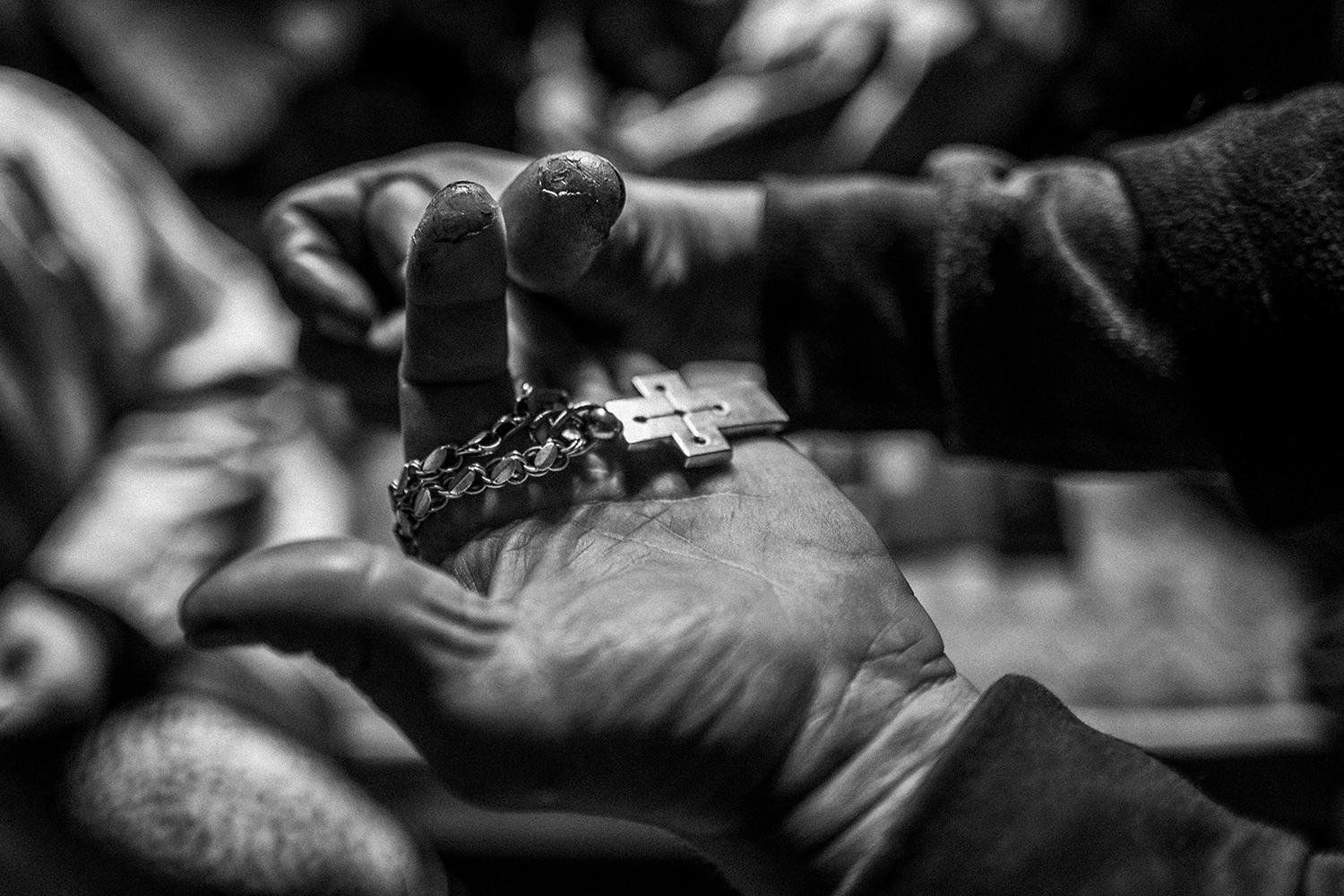
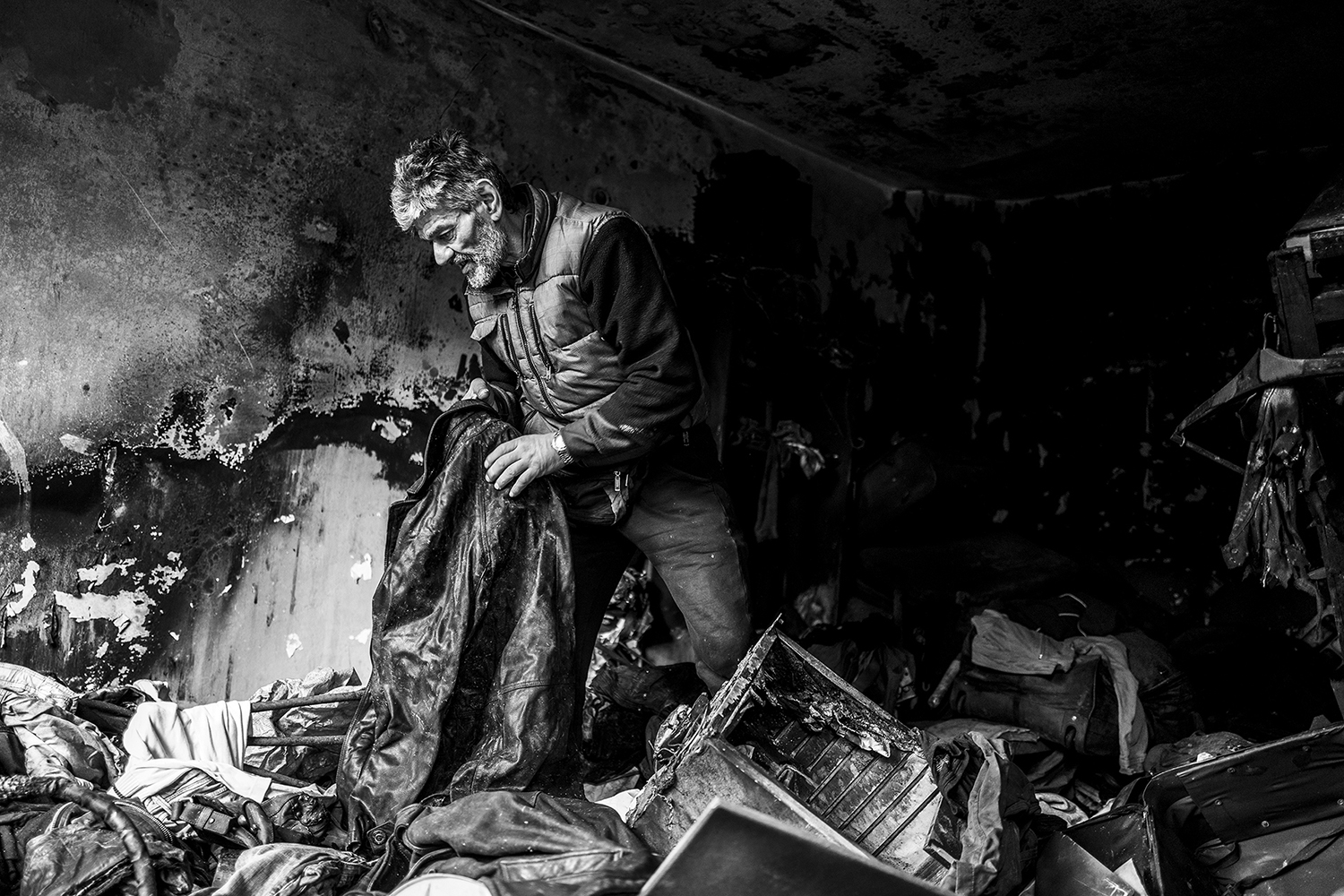
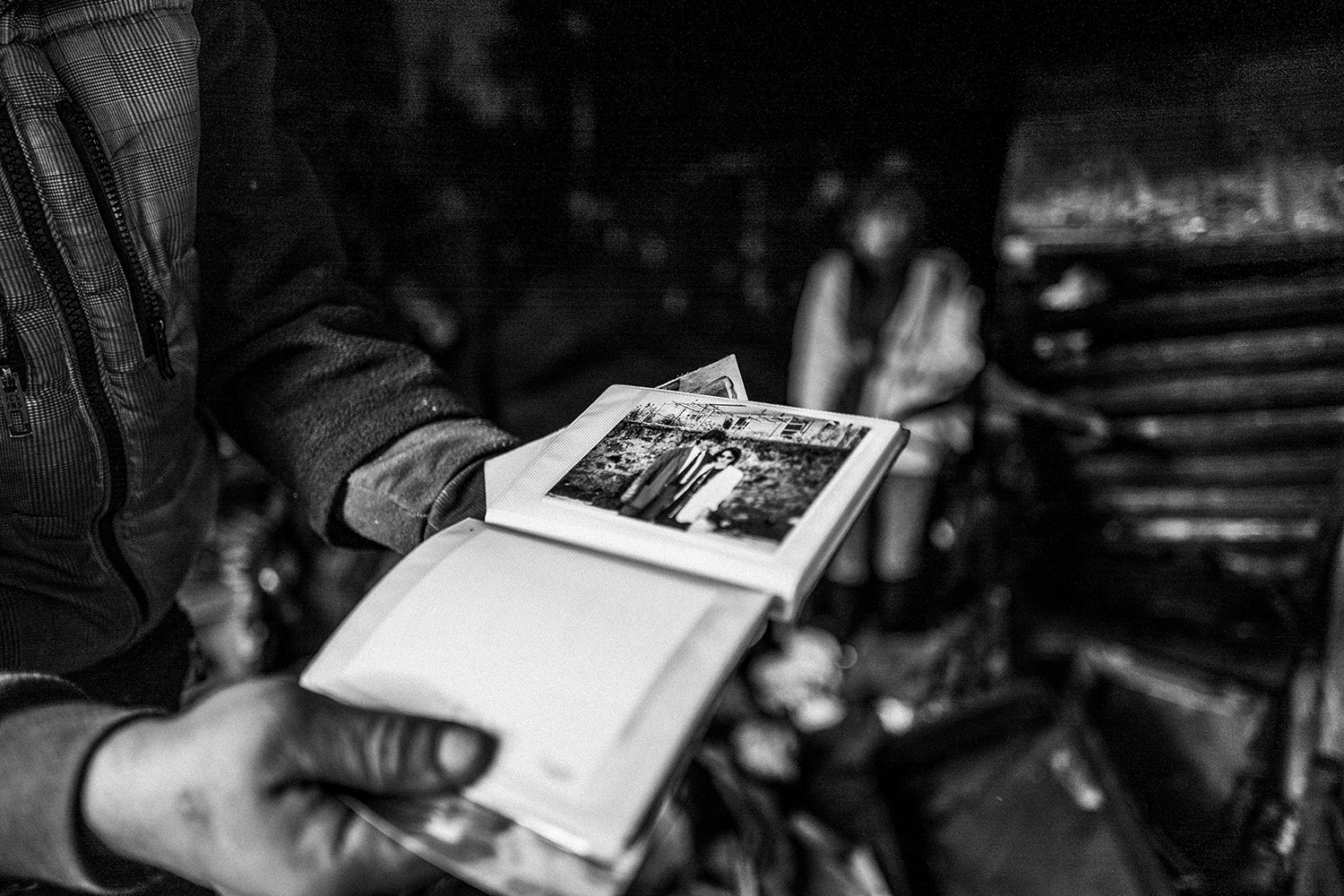
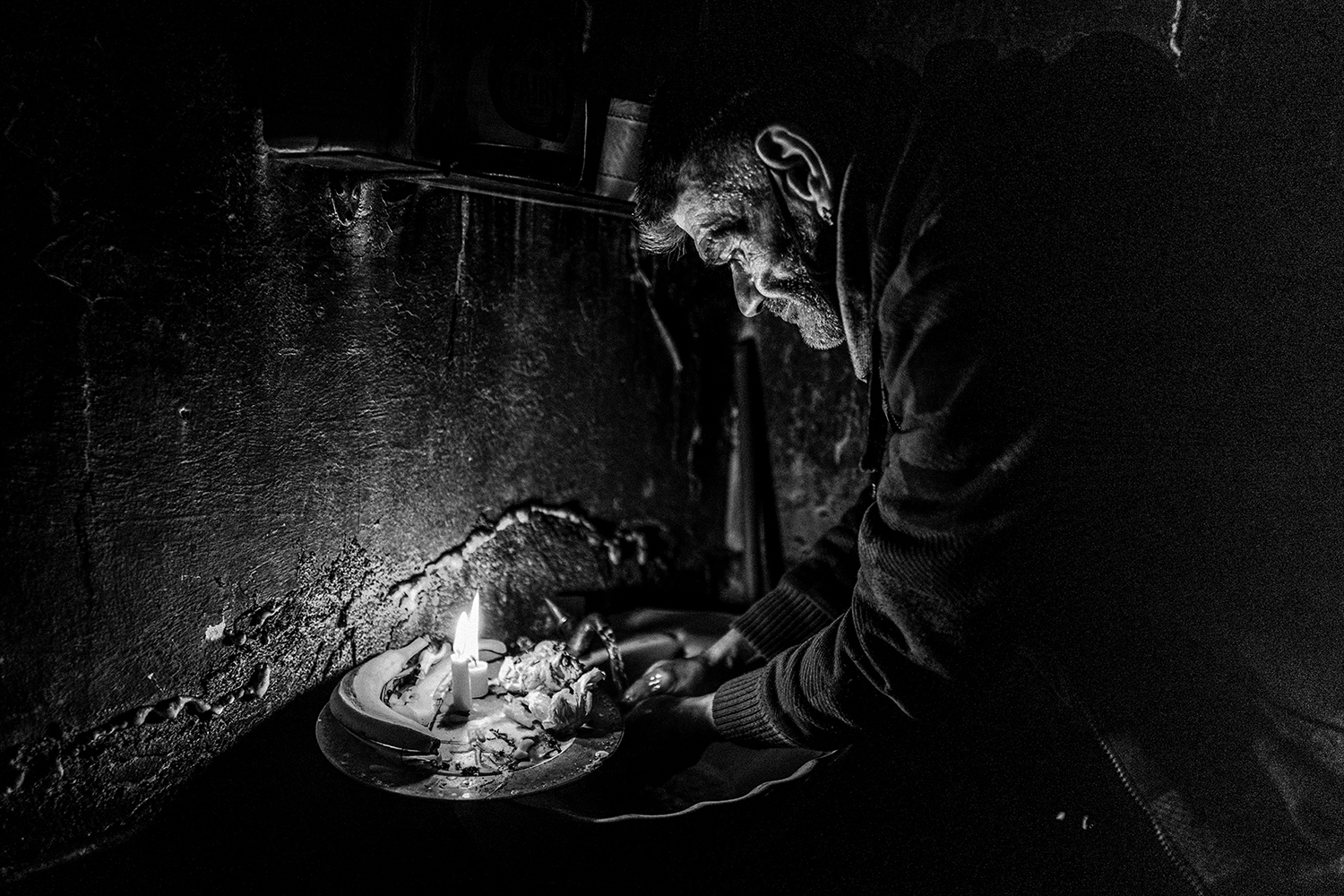
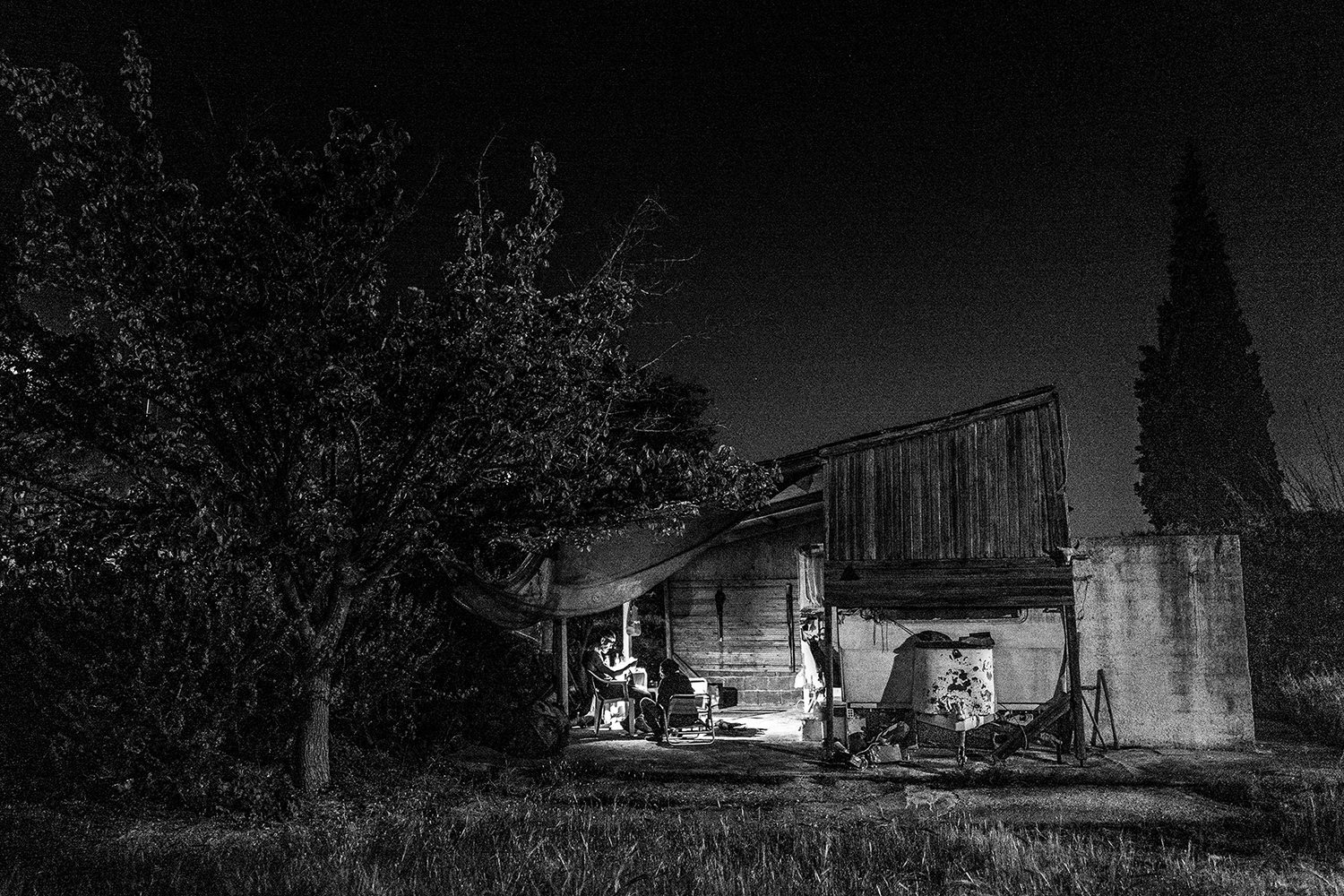
I met Stathis and Sylvia coincidentally, through a mutual friend, who thought that their life and the environment in which they lived would be of photographic interest to me. And indeed, the canvas of their lives, although damaged, brought out textures of great interest, just like themselves as personalities. In these people I saw a couple who, like many other couples around us, after years of being together, remain companions for each other, fellow travellers who… are exemplary of “Can’t live with them and can’t live without them”. She, a woman in love, full of sensitivity, who likes to write, listen to music and take care of him. He, the male, the “hunter”, who (in his own way) will take care of their living, seeking to remain her hero forever. A giving person, who, despite the difficulties they face, doesn’t mind sharing with you what they have, just… so as to please you. The photo shooting has been carried out over a period of about two years, during the quarantine. At some point their house burned down, which meant that for a short time they lived among the rubble, with only salvaged items the frame with the portrait of Stathis’s mother, the photo albums with their souvenir photos and a silver cross, a keepsake from the period when Stathis worked as a silversmith. The photographic story ends when the couple, through a friend, finds accommodation in a caravan in a seaside area of Athens. In the society we live in, everything that annoys us may become invisible, but people like them continue to exist alongside us, continue to struggle for survival and remain human. And that is how we should treat them, avoiding unnecessary drama and sonorous conclusions.
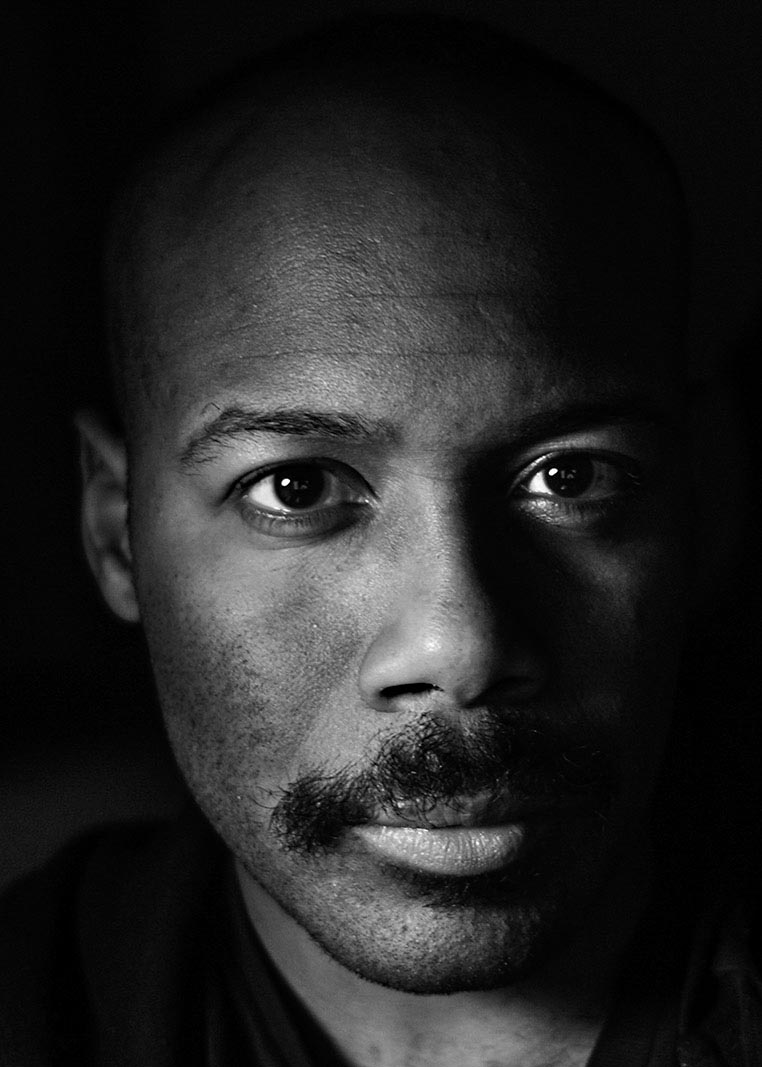
Byron Smith is an American freelance photographer based in Athens, Greece. Before moving to Athens in the summer of 2019, he worked as a stringer in New York City since 2011.
His work has been published in The New York Times, Getty Images, Le Monde, Libération, The Guardian, Der Spiegel, and The Wall Street Journal, among others. Byron was a part of The New York Times Portfolio Review in 2017 and has been selected for the same review in 2020. He was named a second runner-up for the 2020 Athens Photo World competition and is currently shortlisted for the 2022 competition for his recent work in Ukraine. Now, Byron is a Fellow with The VII Academy.
His work has been published with: Getty Images, The New York Times, The Wall Street Journal, The Sunday Times, The Guardian, Der Spiegel, and VICE.
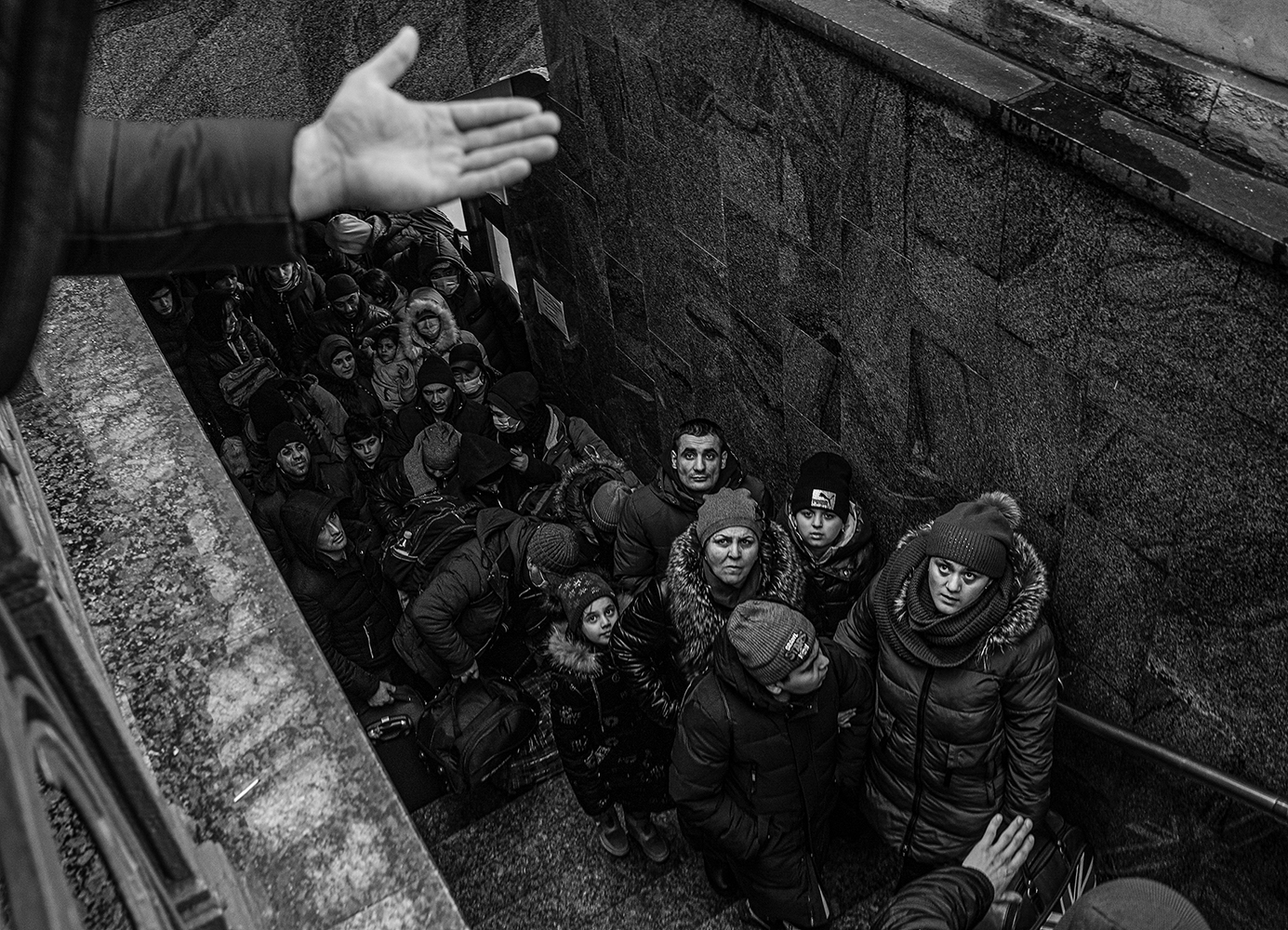
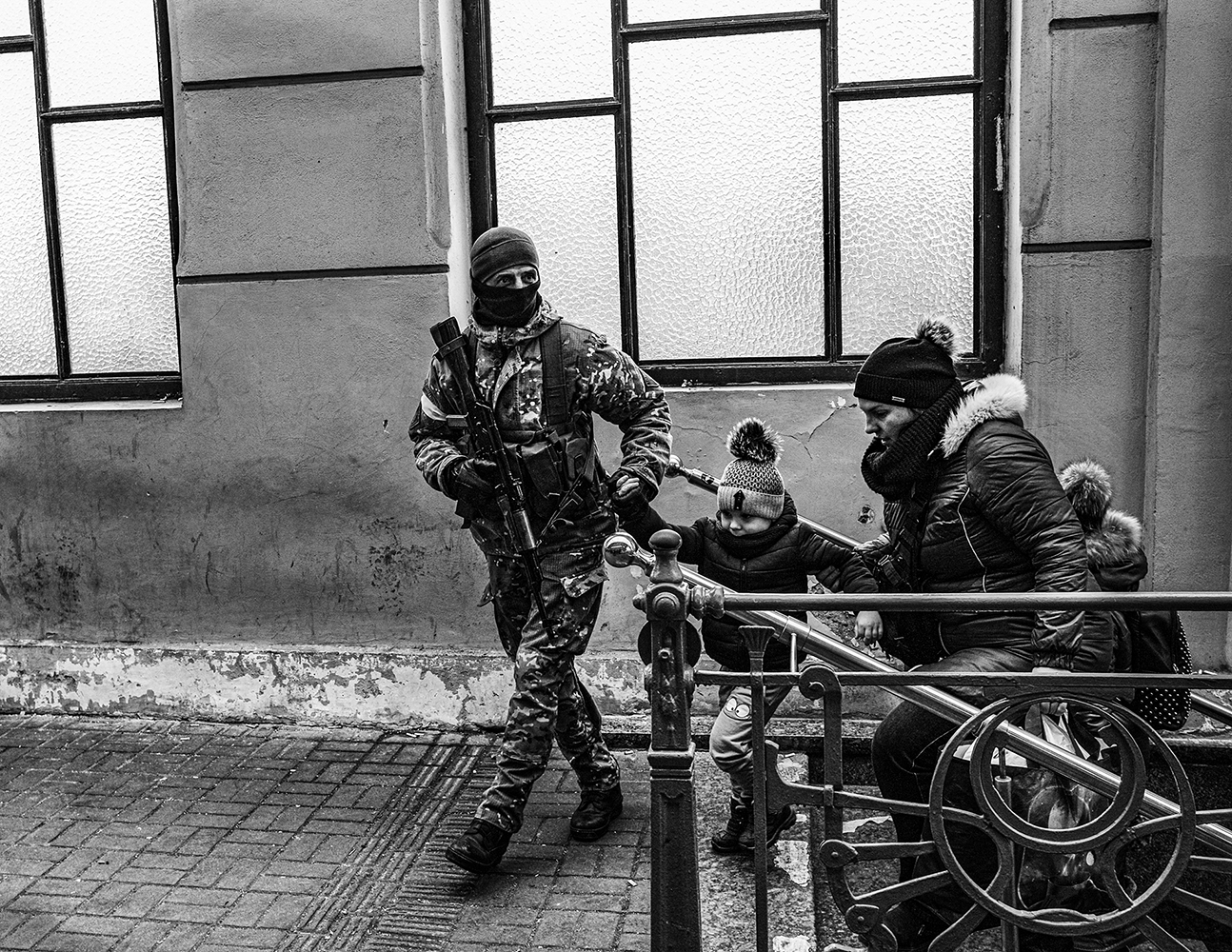
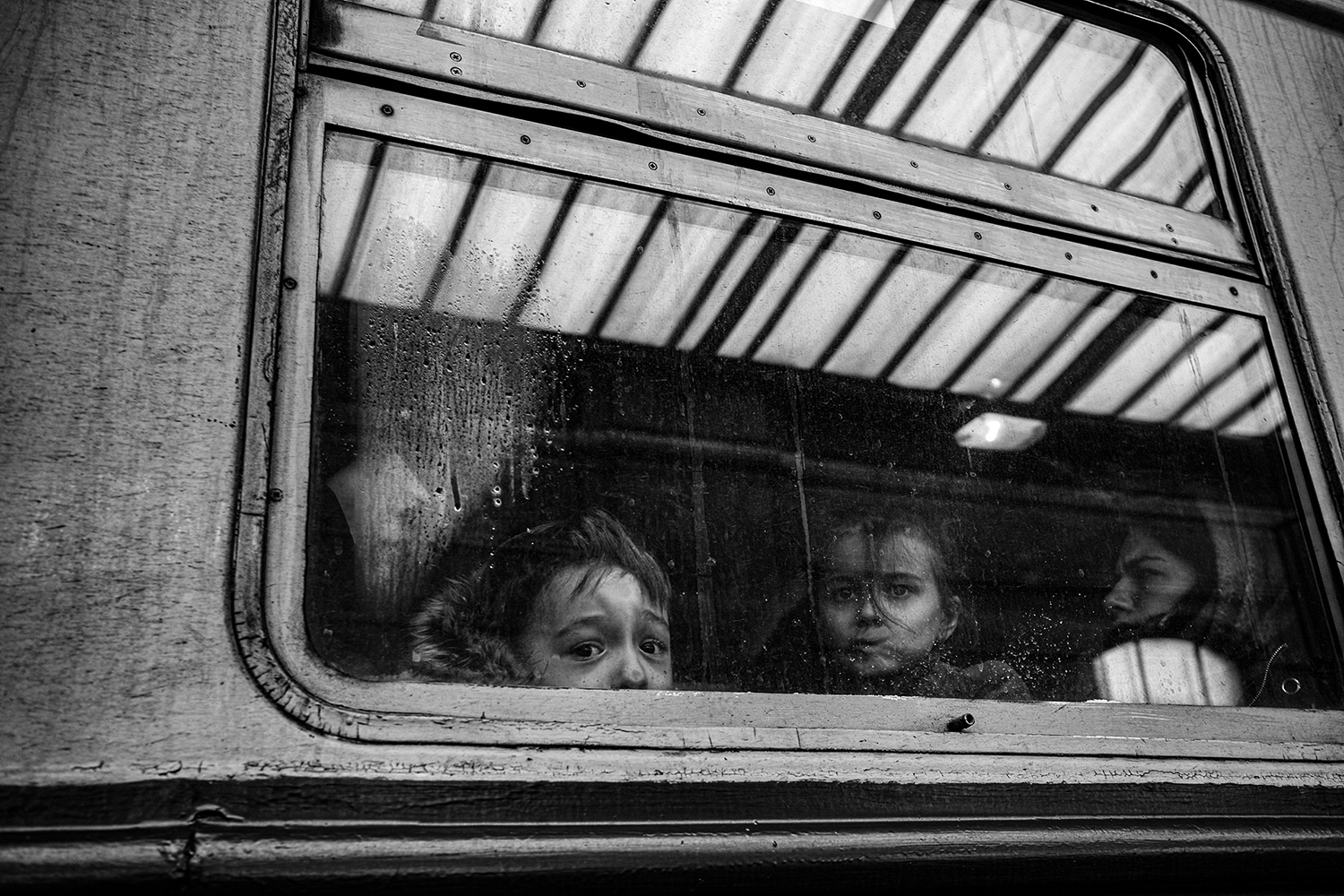
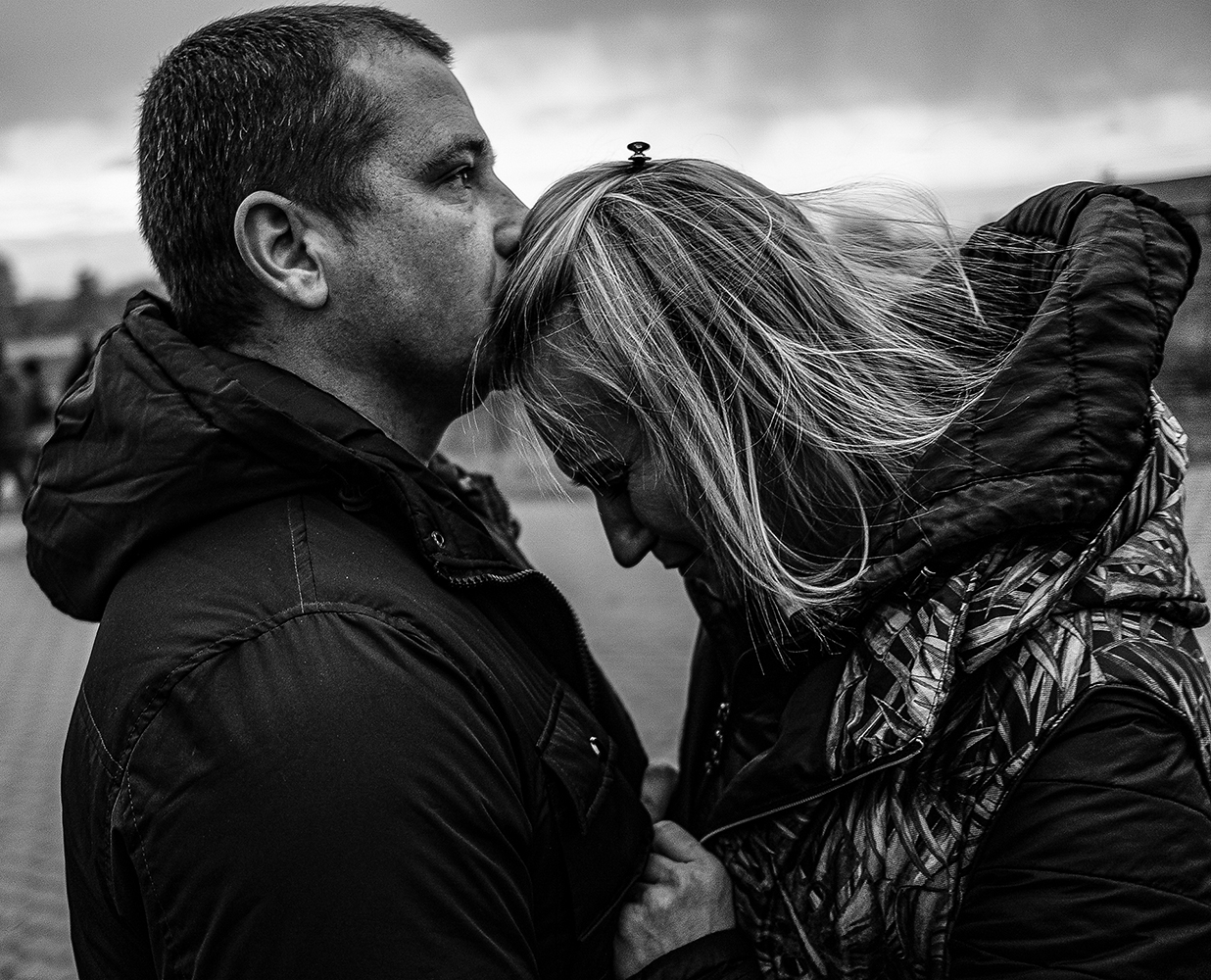
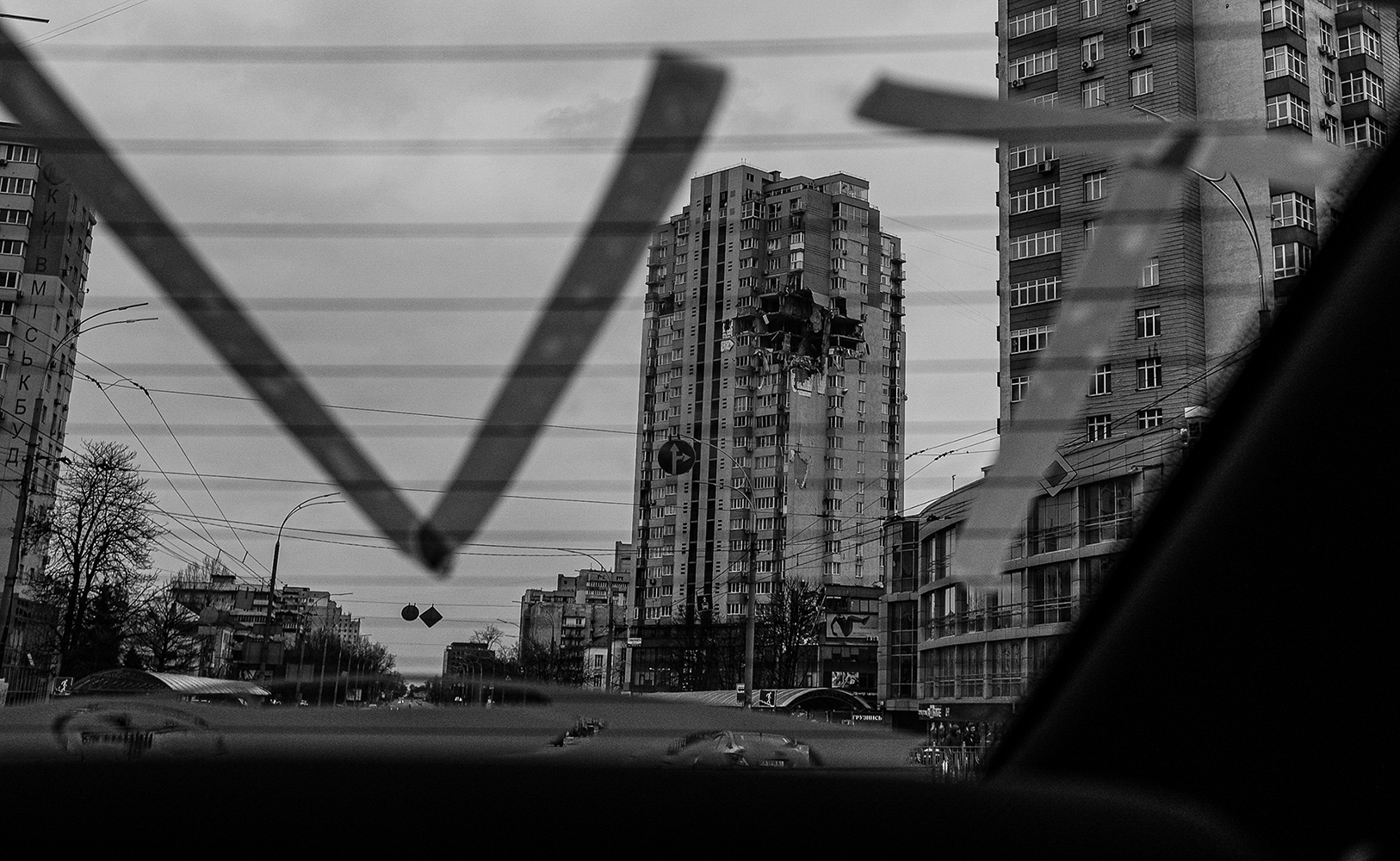
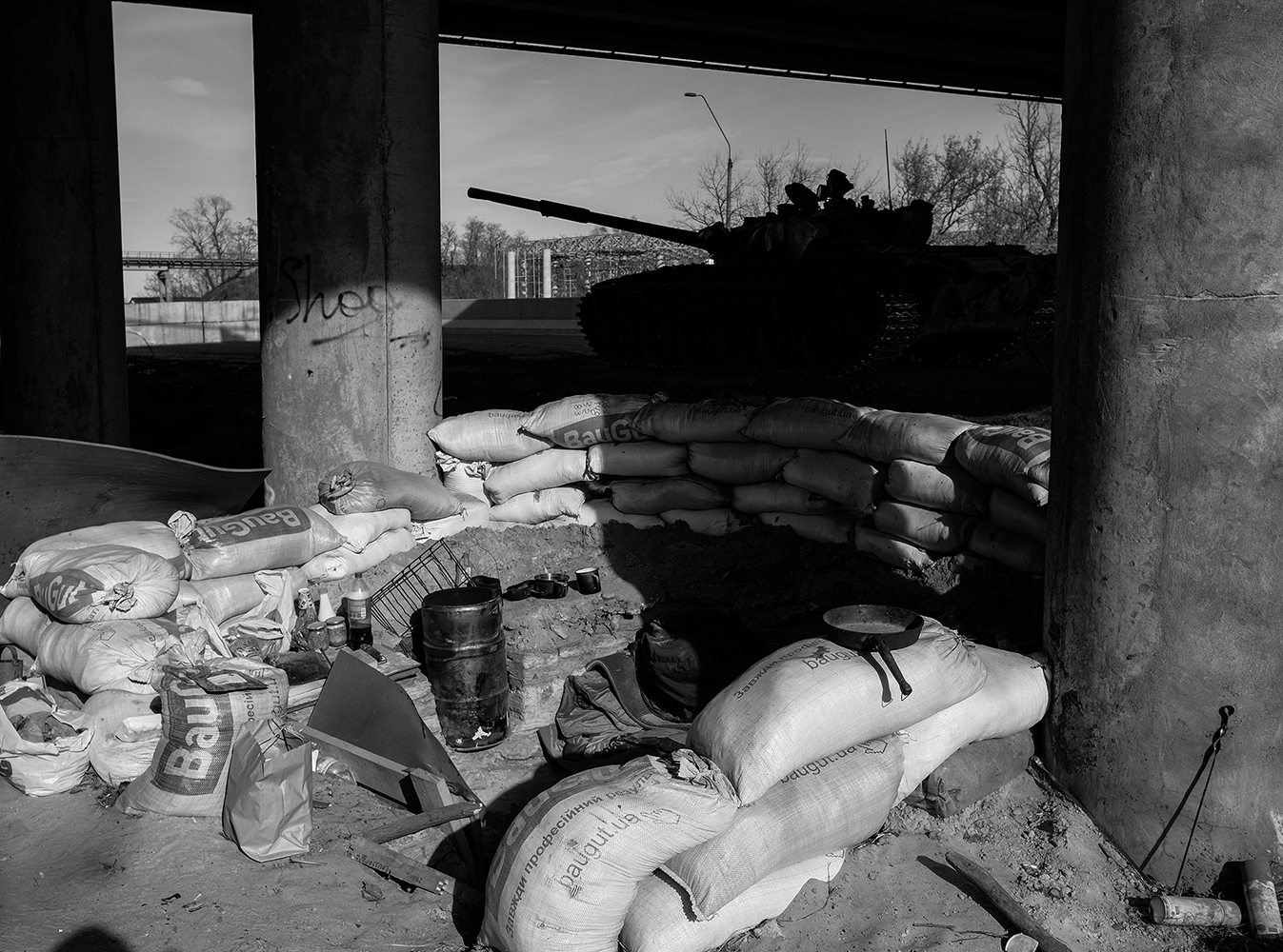
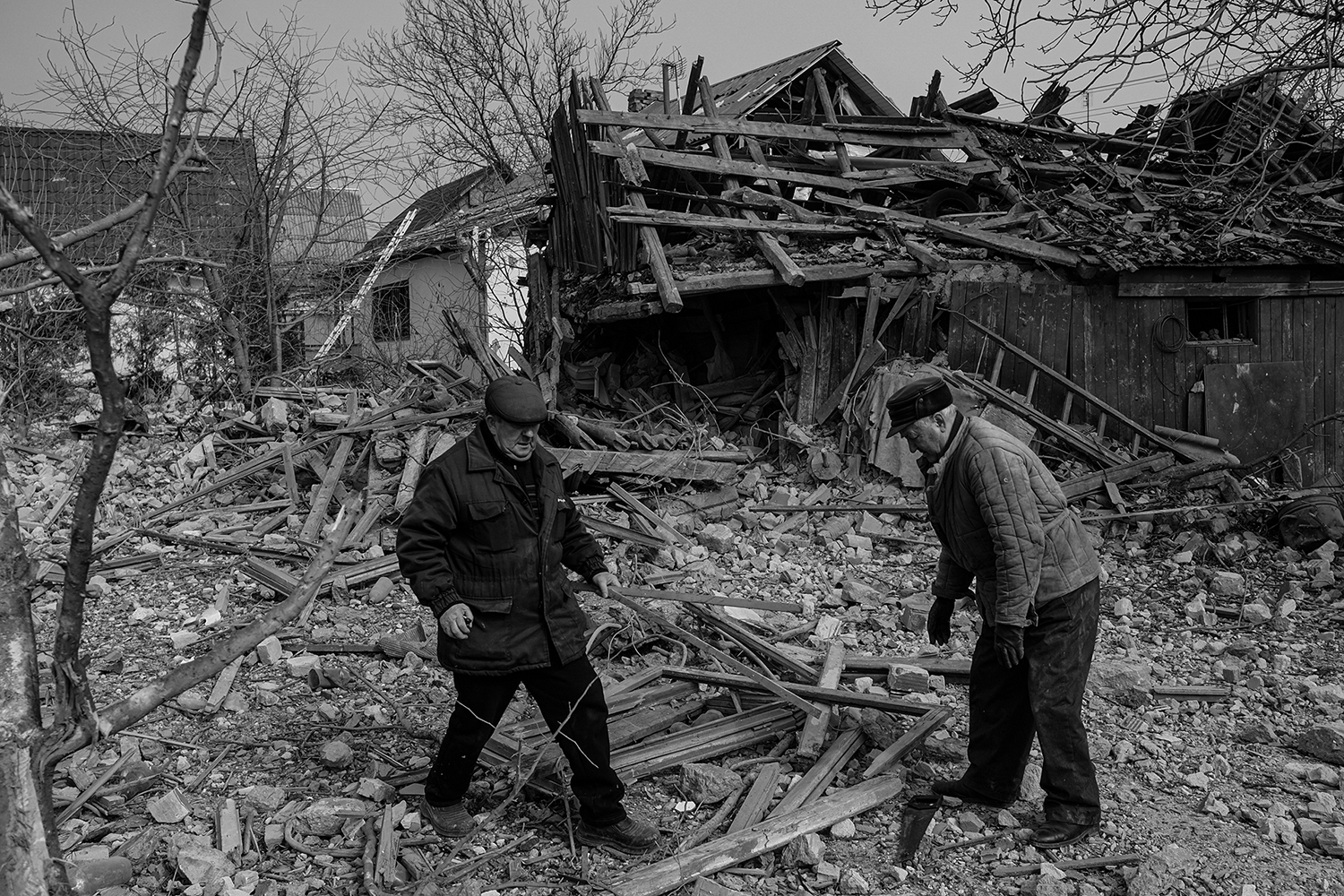
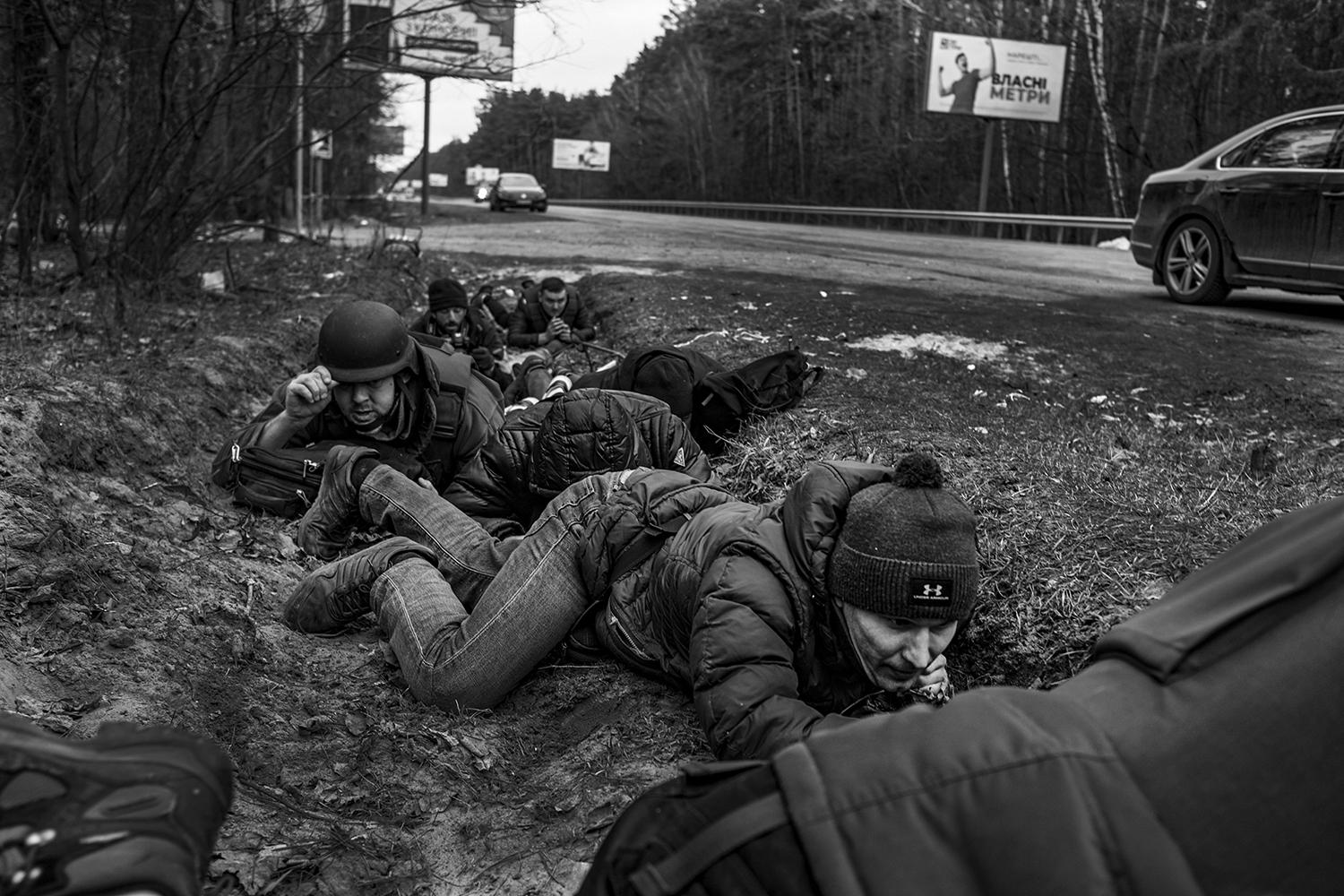
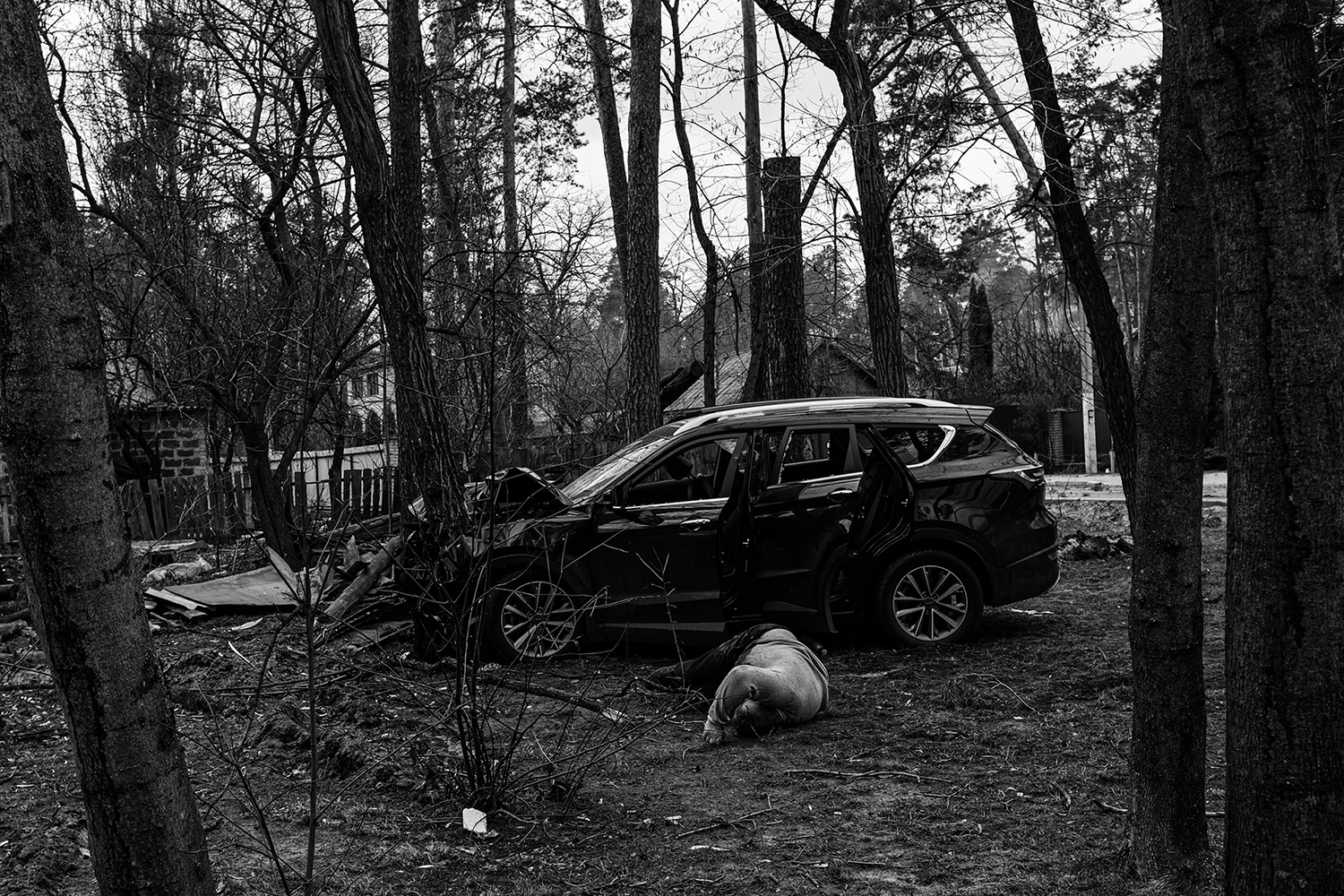
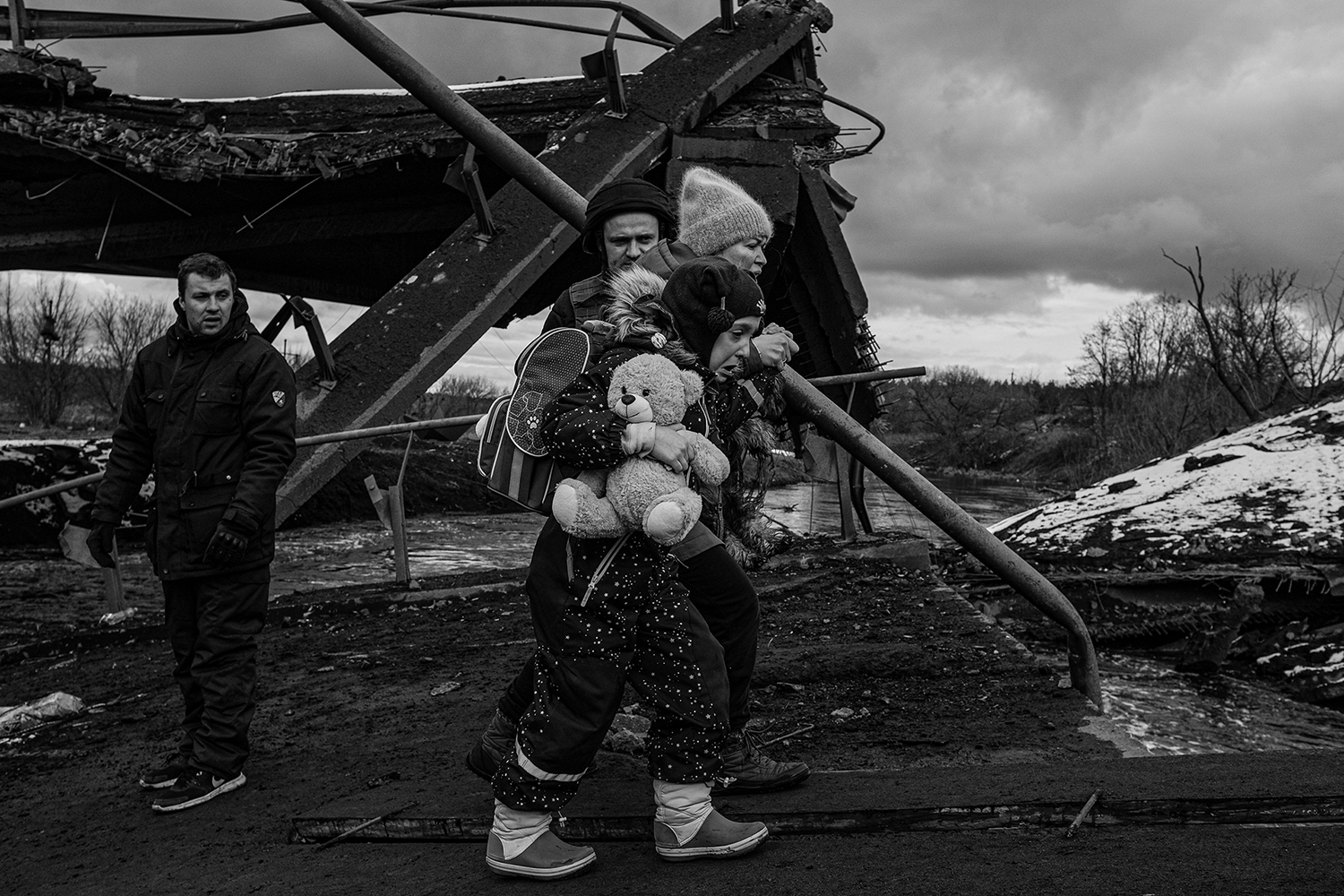
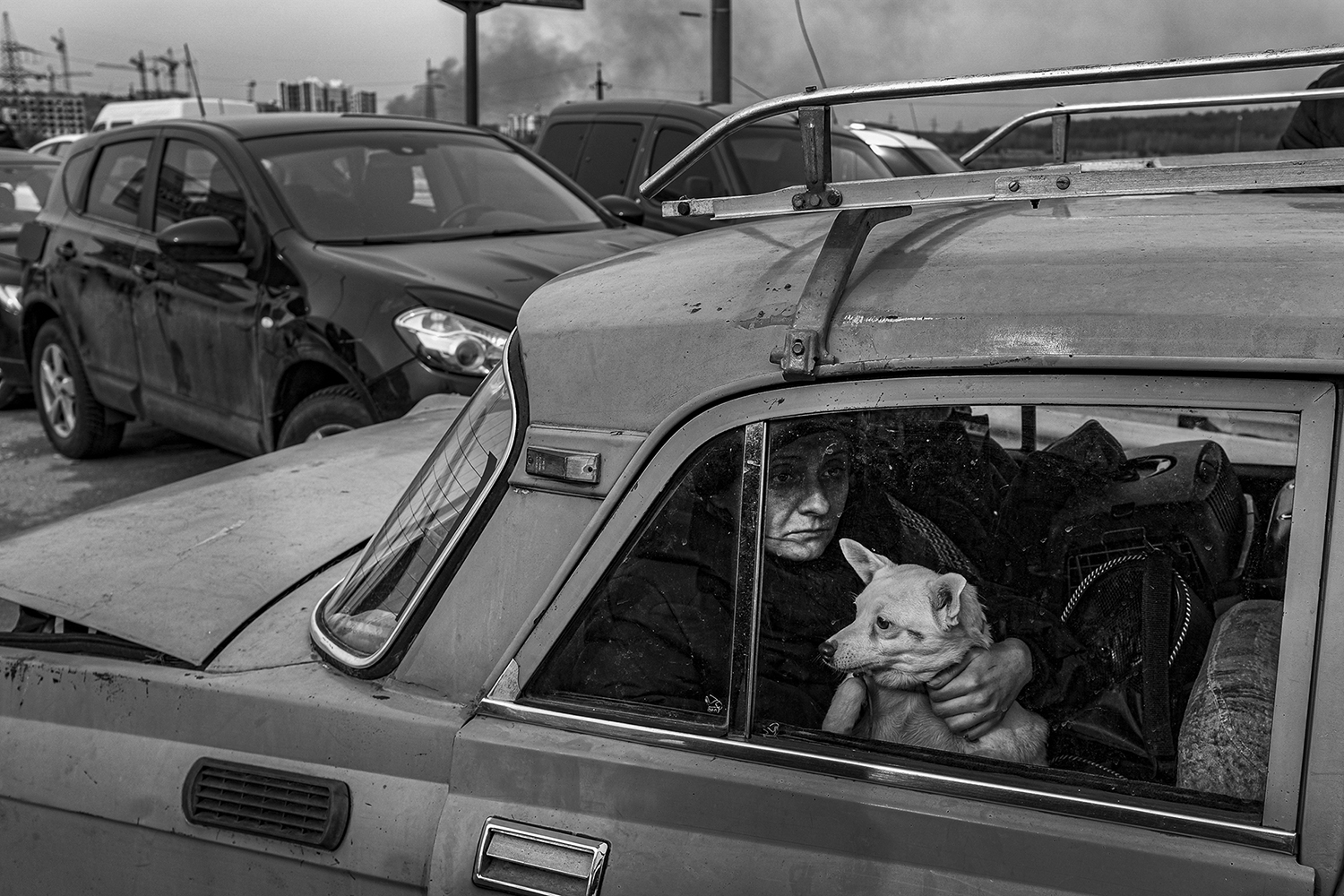
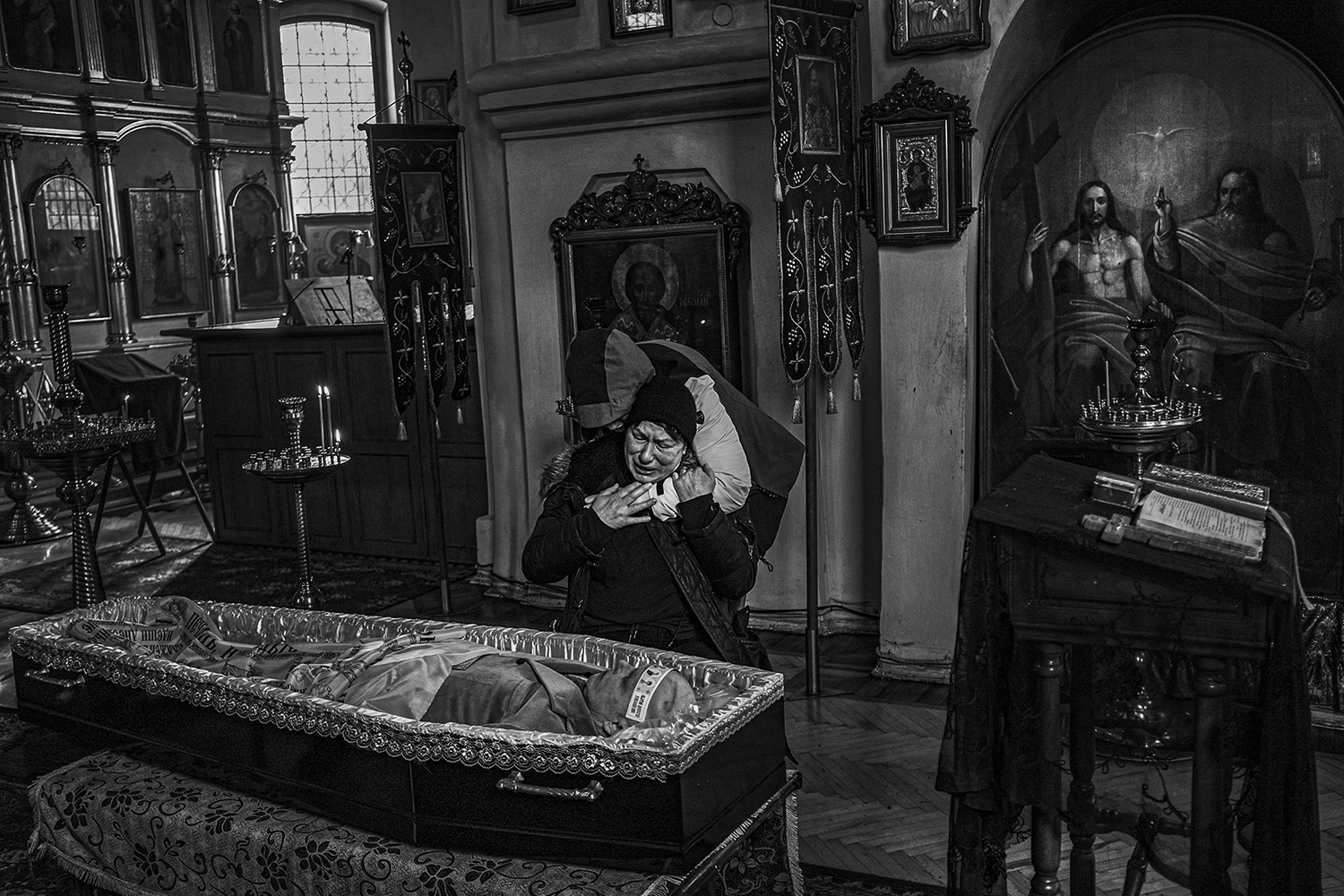
Since Russia invaded Ukraine, already, nearly 4 million refugees have fled the country. The invasion, which began on 24 February, has ensnared the nation of forty-four million in a war with one of the largest and most sophisticated armies in the world. Though Russian President Vladimir Putin’s military initially focused on shelling military sites, it is now evident that he intends to break the civilian population by bombarding populous cities and rural towns. This, in turn, has created the fastest growing global humanitarian crisis since World War Two. Many of the refugees now find themselves without a place to go after fleeing Ukraine. Some Ukrainian women have left their husbands, sons, brothers, and fathers behind, as men between the ages of eighteen and sixty have been banned from leaving the country to fill the ranks of the national military; others have voluntarily stayed behind to join the frontlines in cities across the country. As the United States and the European Union impose stiff sanctions on Russia, Ukrainians continue to inspire the world with their demonstration of patriotism, compassion, and battlefield successes. In the southern area of Odessa, citizens are filling sandbags and fortifying streets as they prepare for Russian advances. In the western city of Lviv, an outpost known as the cradle of Ukrainian nationalism, volunteers spend hours making camouflage nets, anti-tank steel barricades, and Molotov cocktails for the army. With much unknown at the moment, the Ukrainian people during these days will be remembered as valiant. Not because they knew how to fight, but because they showed the world that their unity, compassion, and humanity toward each other is all that there is to fight for in the end. These images are intended to be a personal testament highlighting humanity amid all the senseless tragedy. Above all, it is to add to the overwhelming evidence documenting the crimes that have been committed so far.
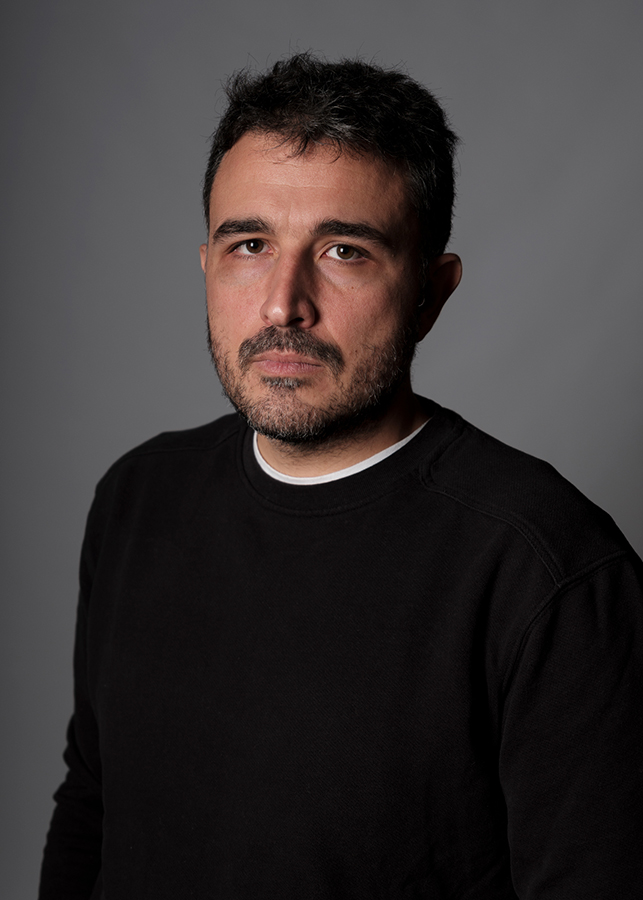
Konstantinos Tsakalidis was born in 1986 in Serres, Greece. He graduated from the Department of Informatics of Technological Educational Institute of Thessaloniki and from the Photographic Centre Stereosis.
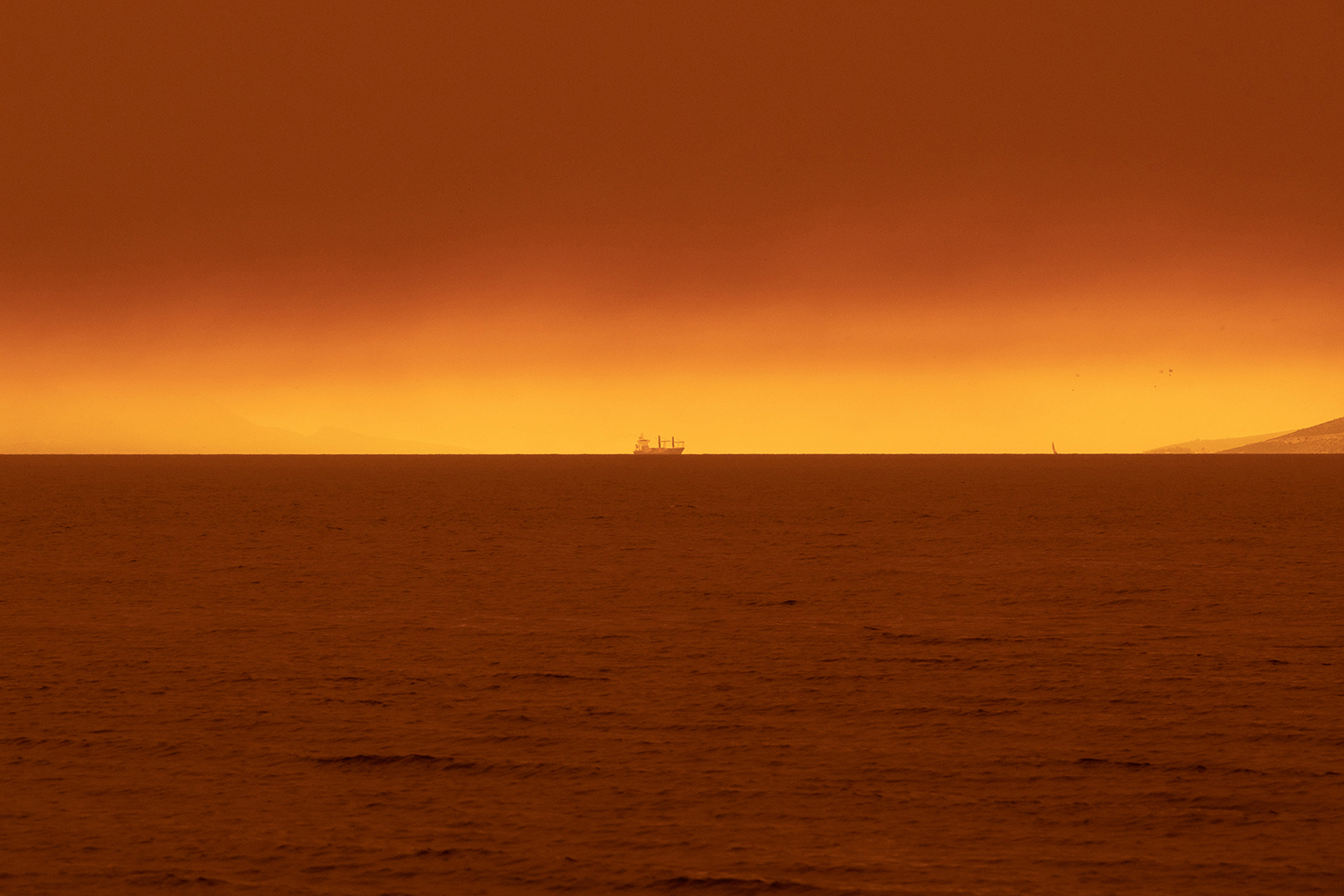
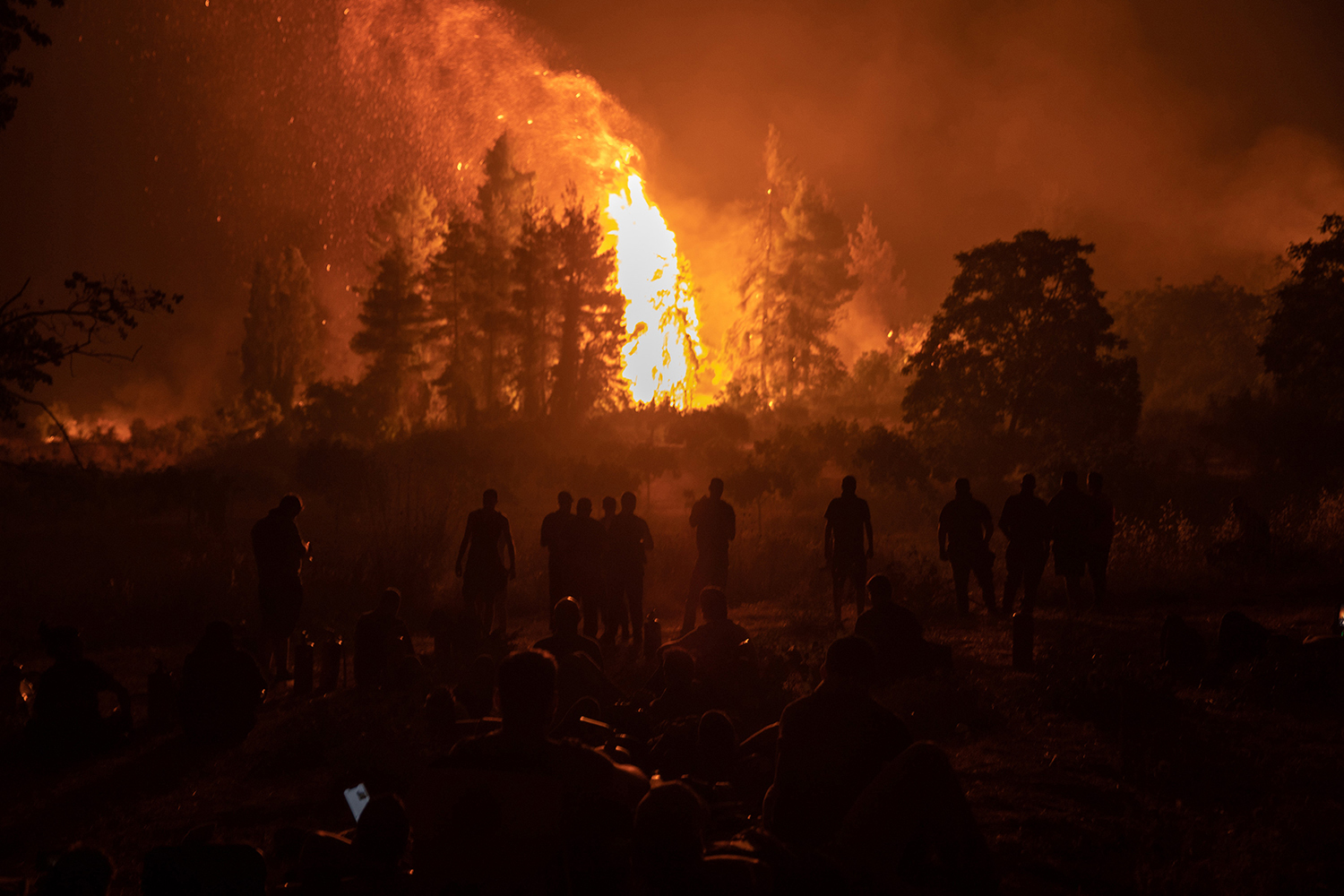
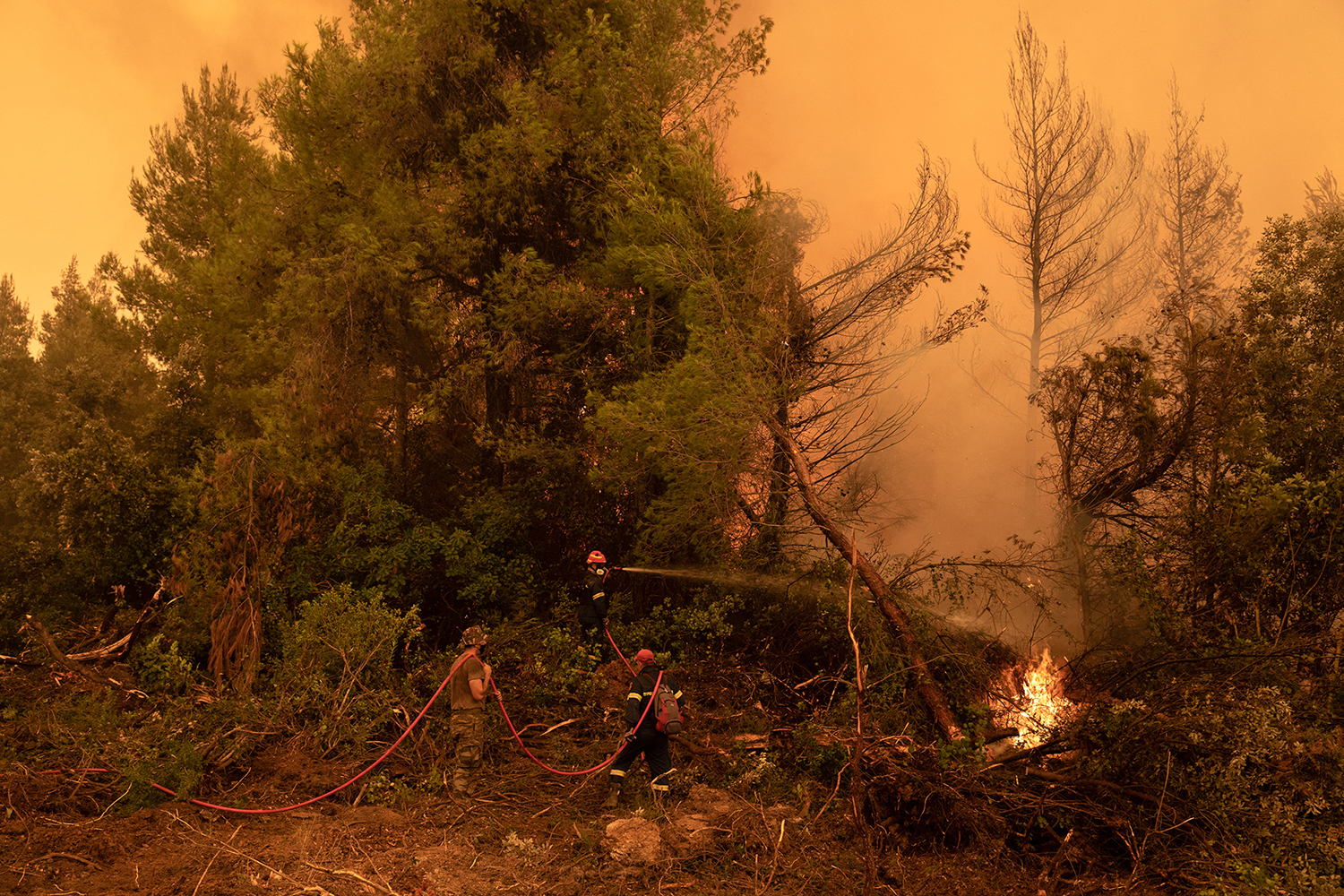
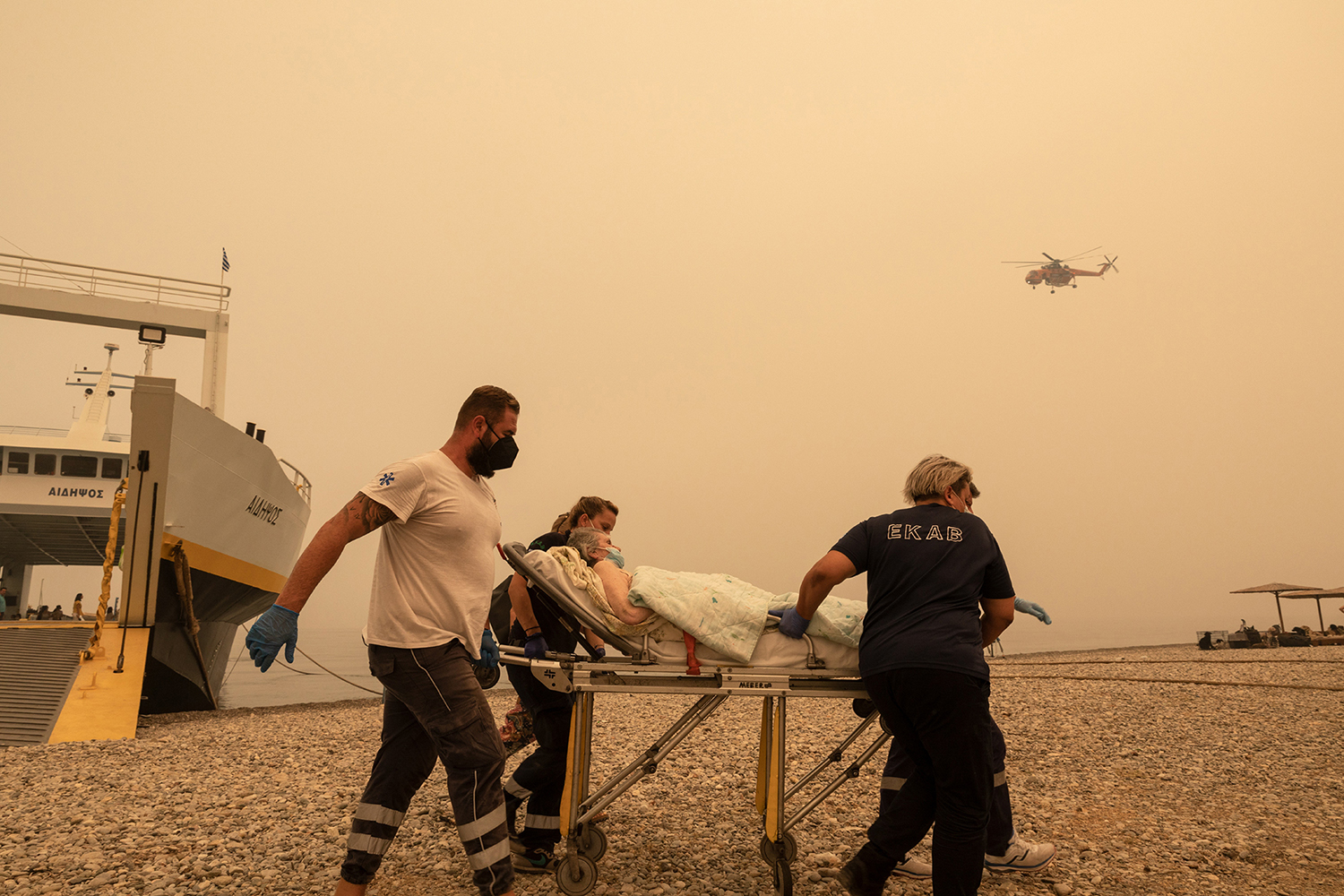
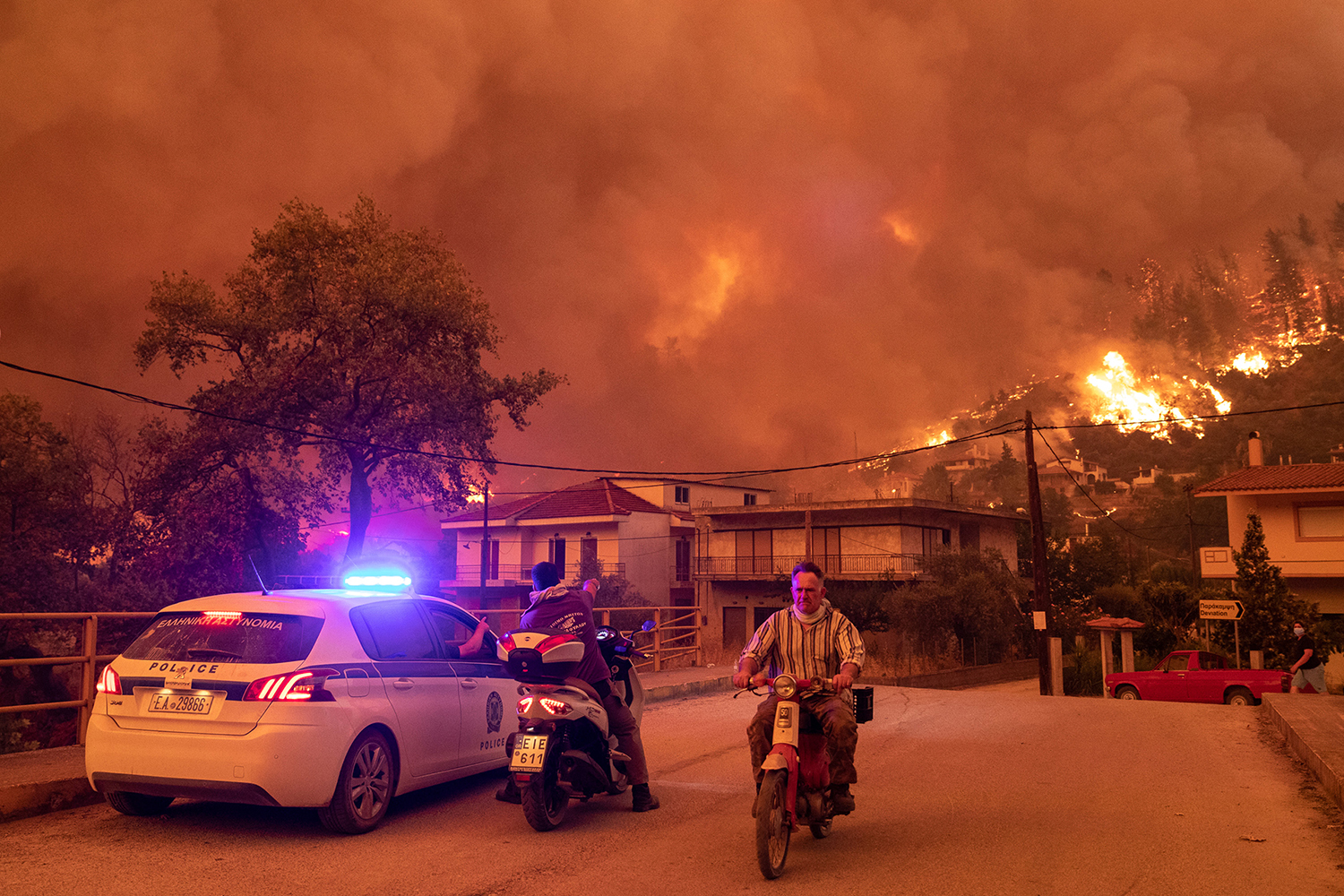
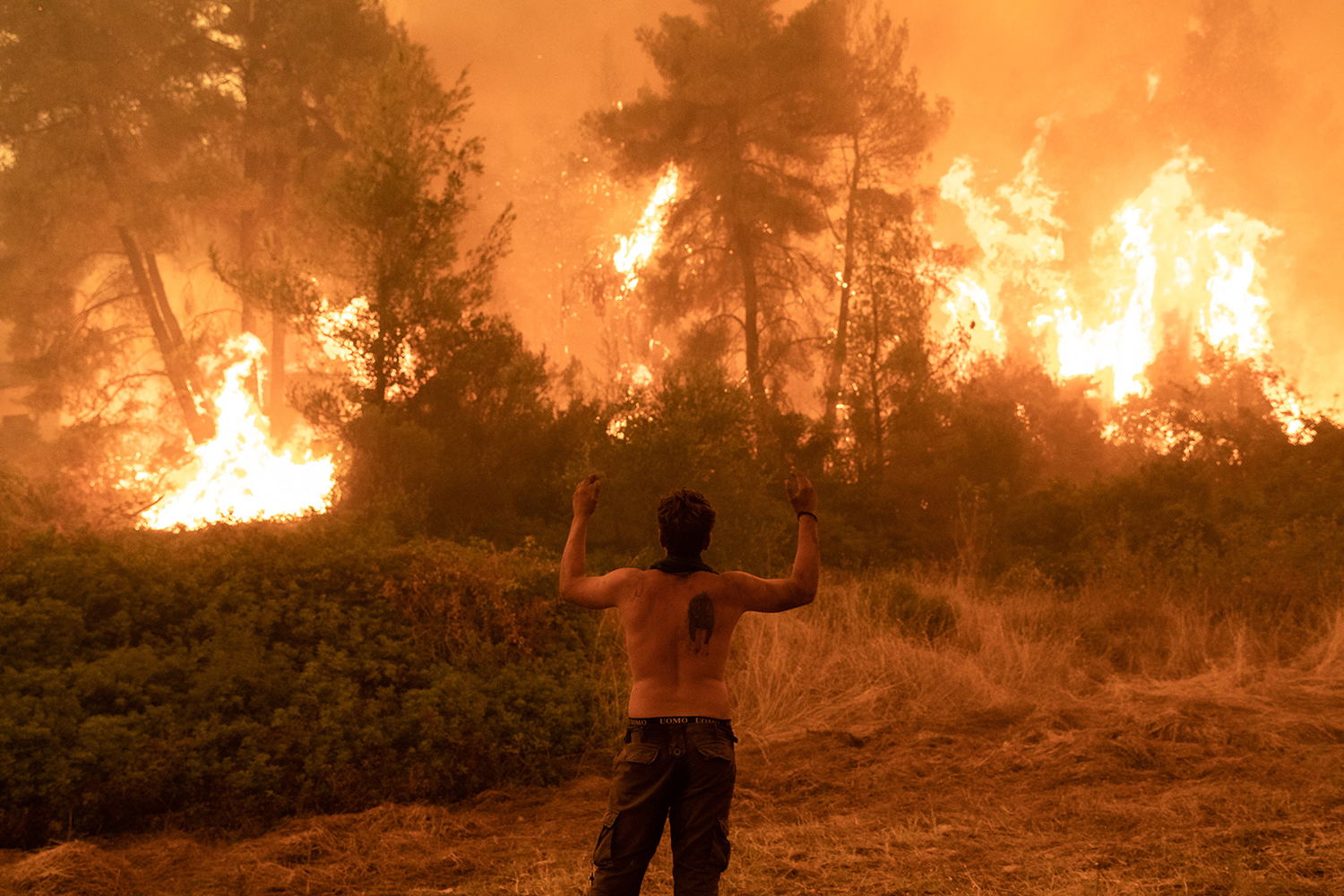
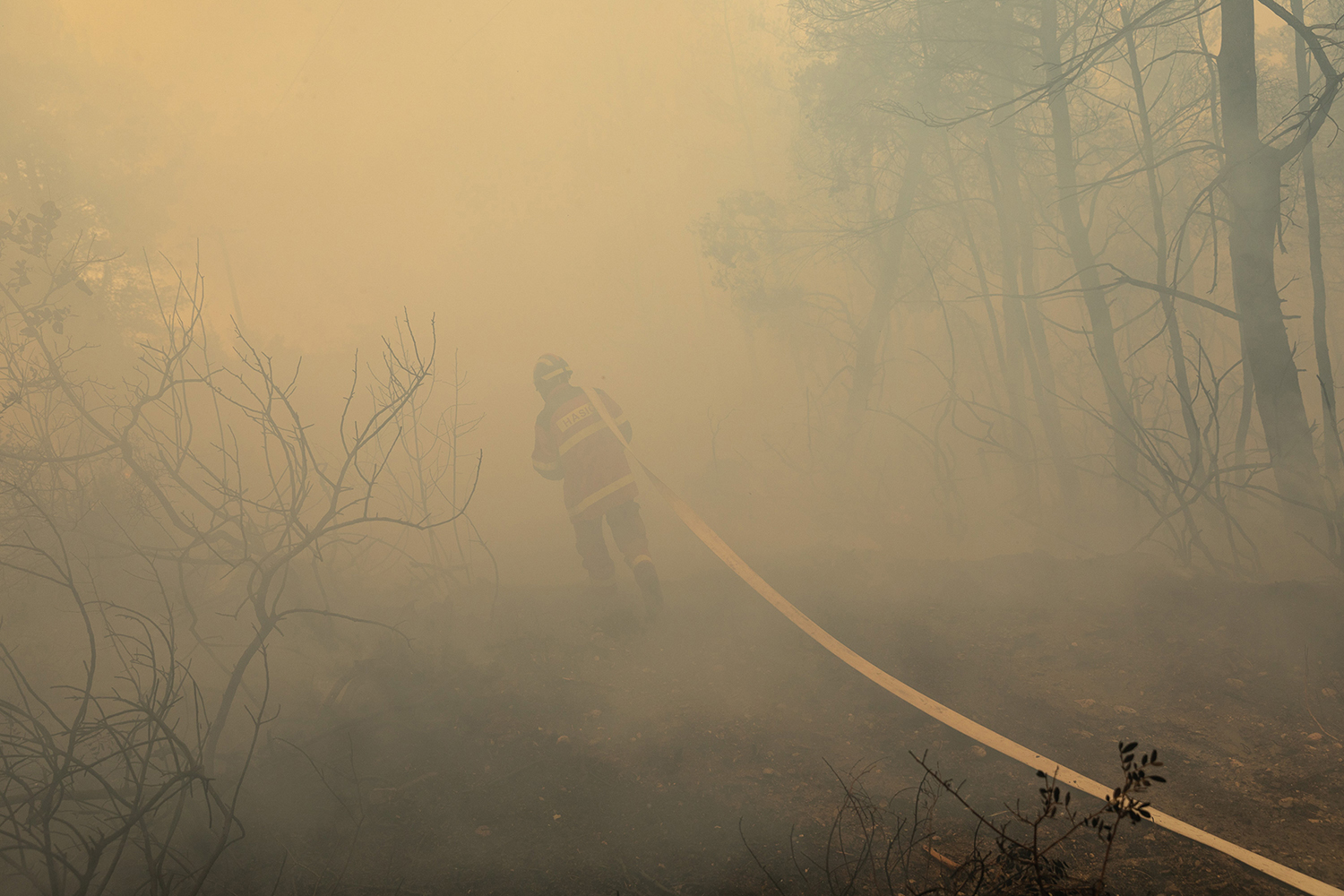
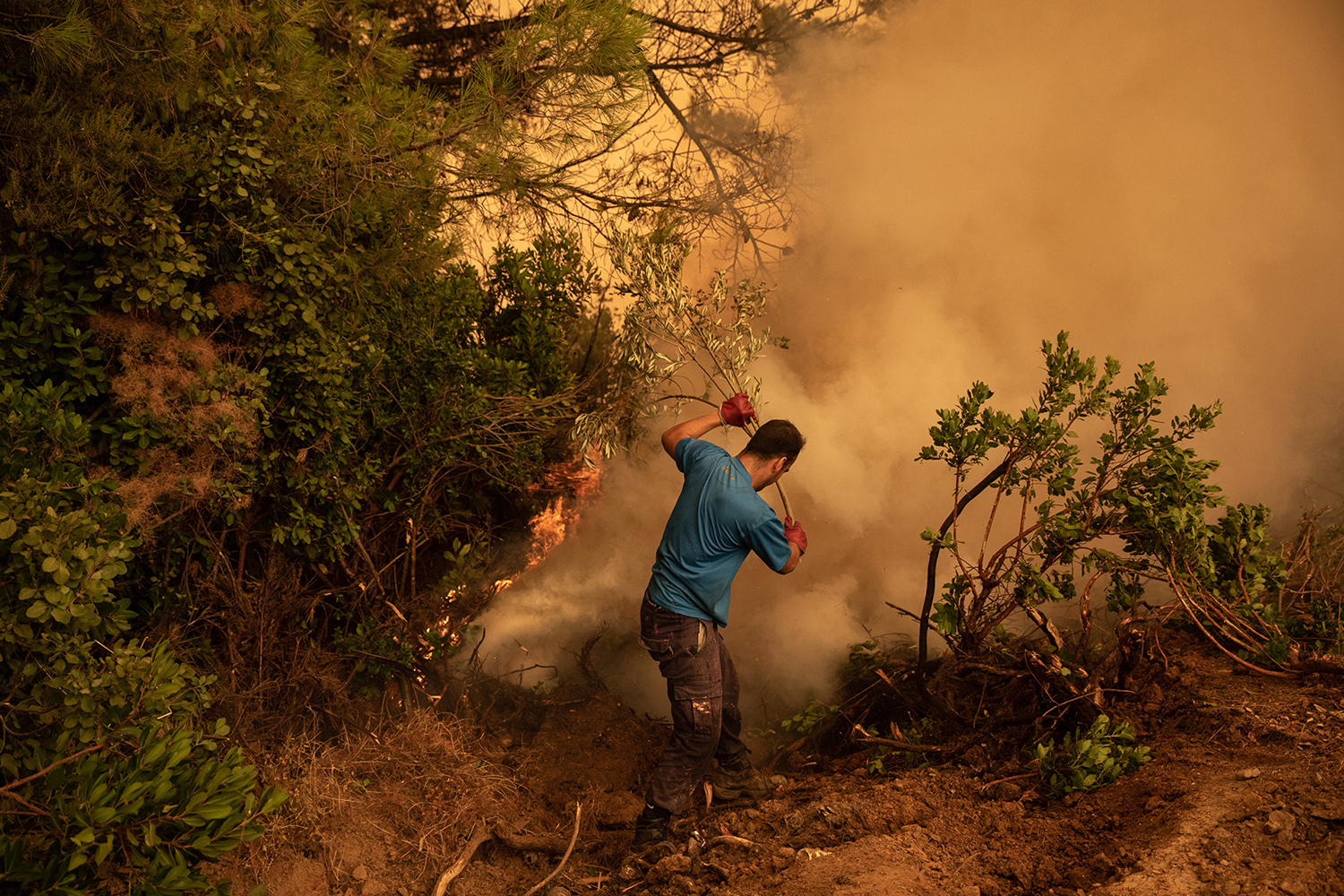
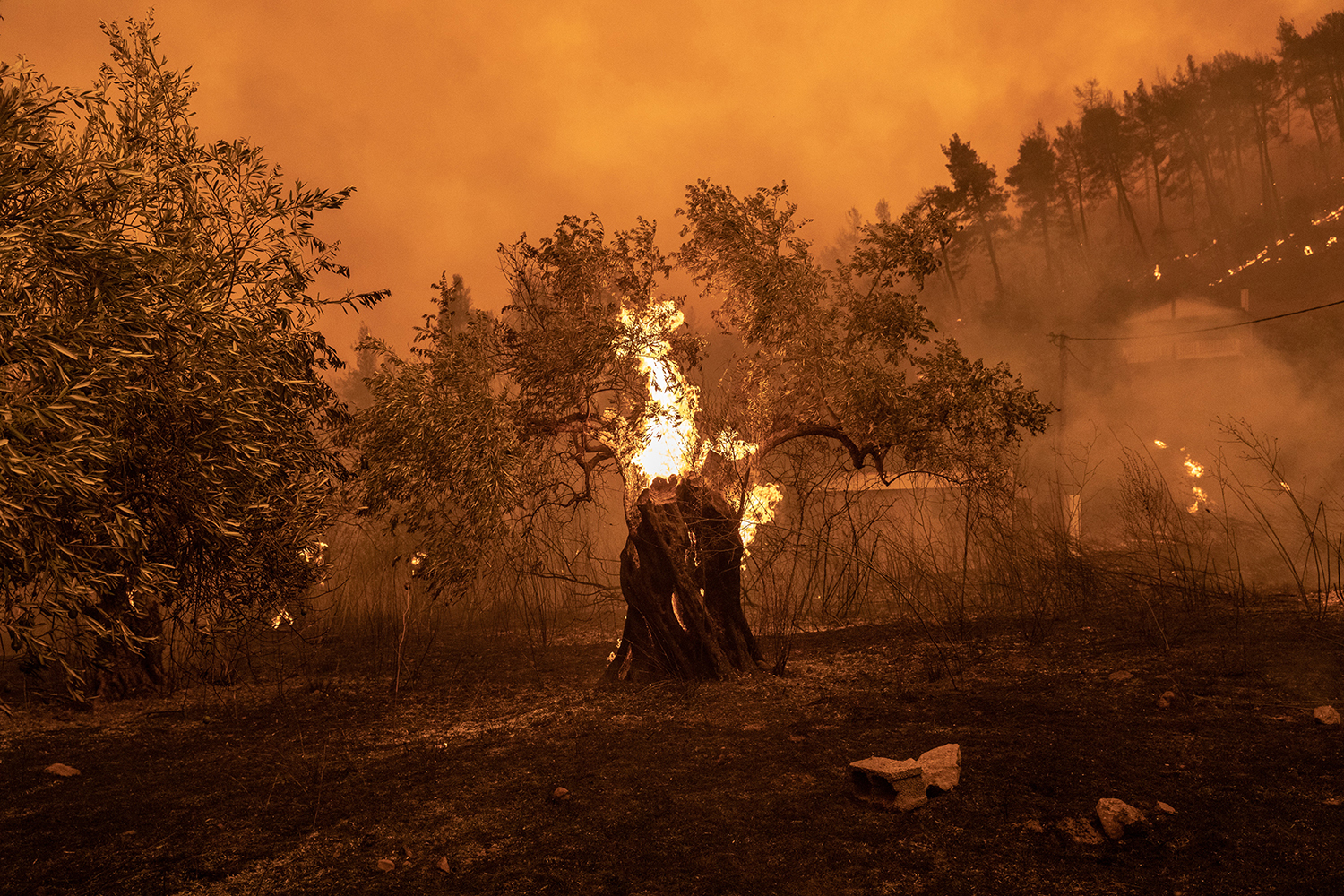
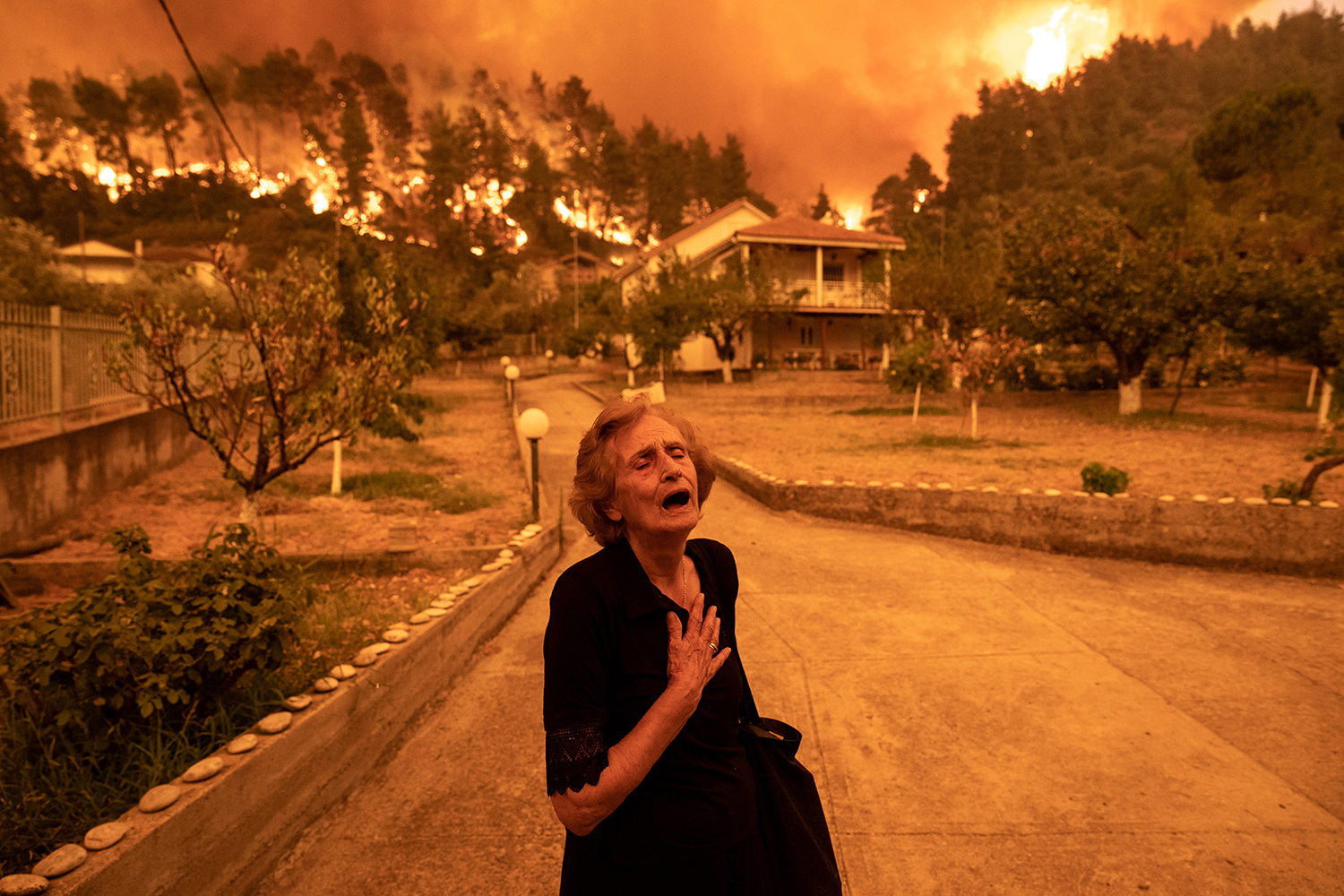
He is a freelance photojournalist based in Thessaloniki, Greece. He documented the Greek crisis related issues since 2013 as well as the 2015 Greek bailout referendum. In 2015-2016 he documented the route of thousands of refugees from the islands of the eastern Aegean Sea to central Europe through the Balkan countries, as well as their life in the improvised camp of Idomeni at the Greek – North Macedonia borders. In August 2021 assigned from Bloomberg News to cover the wildfires in Athens and Evia island.
Tsakalidis currently is a co-founder member of the collective Greek photo agency SOOC Images and contributor for Bloomberg News in Northern Greece, covering social and political issues with a focus on Greece, Eastern Europe and Turkey.
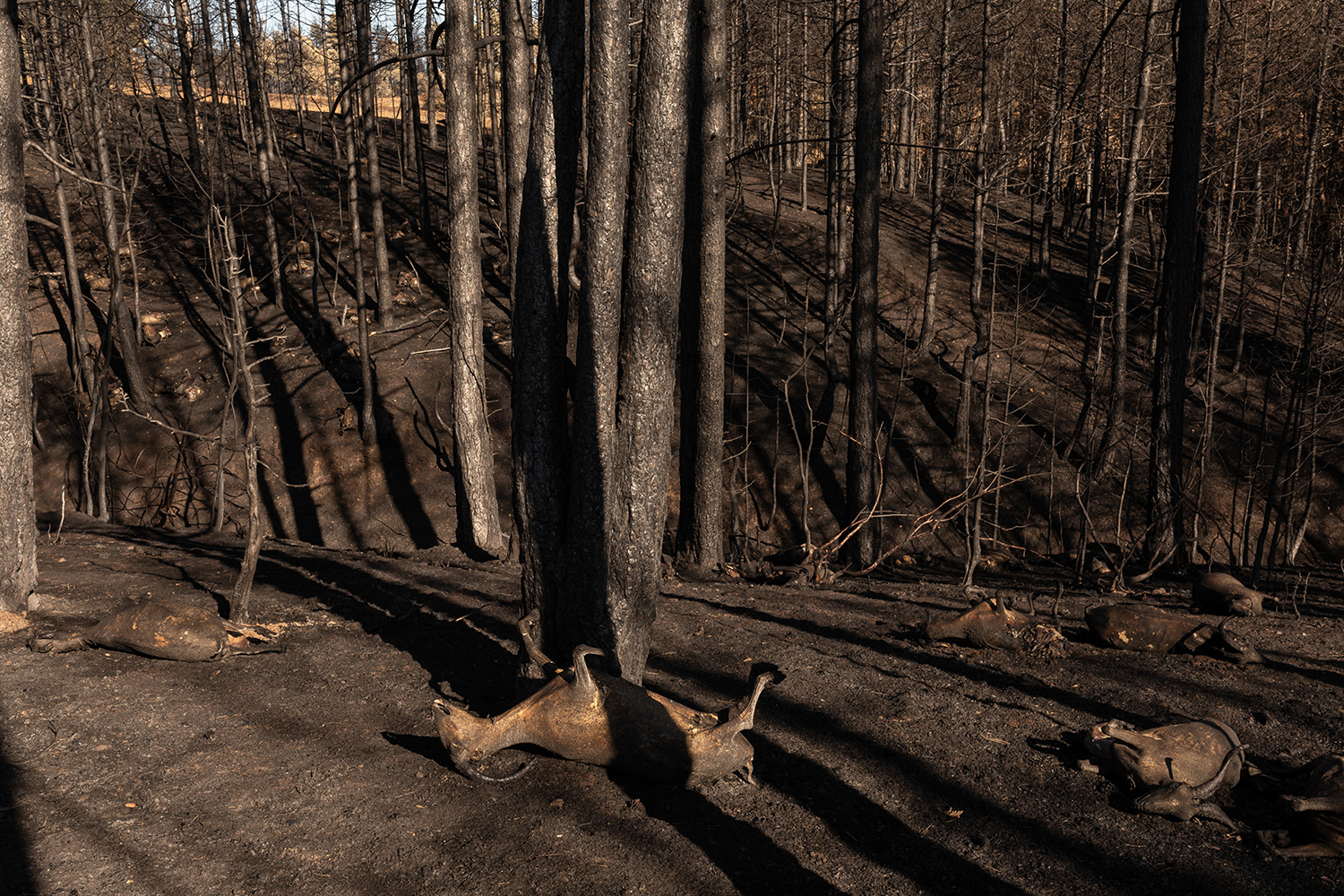
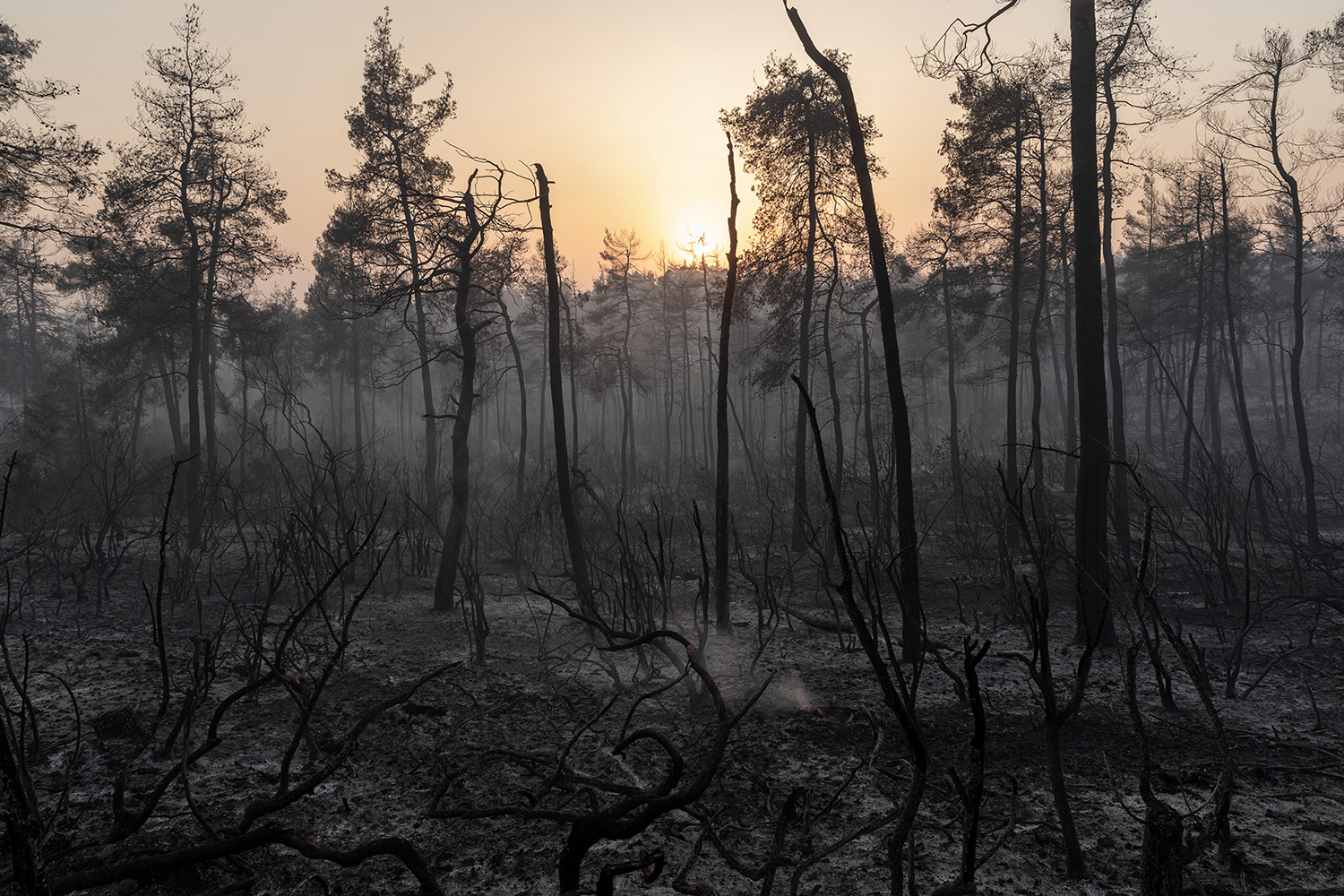
Greece, August 2021. Amid the hottest and most long-lasting heatwave in the last 30 years, with temperatures reaching 47°C, hundreds of forest fires broke out across the country. According to the Hellenic Fire Service, 428 forest fires were recorded throughout the country, with the strongest of them in Attica, Peloponnese and the island of Evia. In northern Evia, where the fires were burning the tinder-dry pine forests uncontrollably for a week, more than 2,000 residents and tourists were forced to evacuate their villages by boat. The negligence of the state mechanism to control the fire of Evia when it started, giving priority to the extinguishing of the fire that threatened at the same time the northern suburbs of the capital, resulted in more than 50,000 hectares of forest area turning to ashes, along with agricultural land, dozens of houses and animals. It is the largest forest fire recorded in the modern history of the country. This huge ecological catastrophe has also caused human despair in the region, as the forest was the lifeblood of the residents of Evia, Greece’s second largest island.