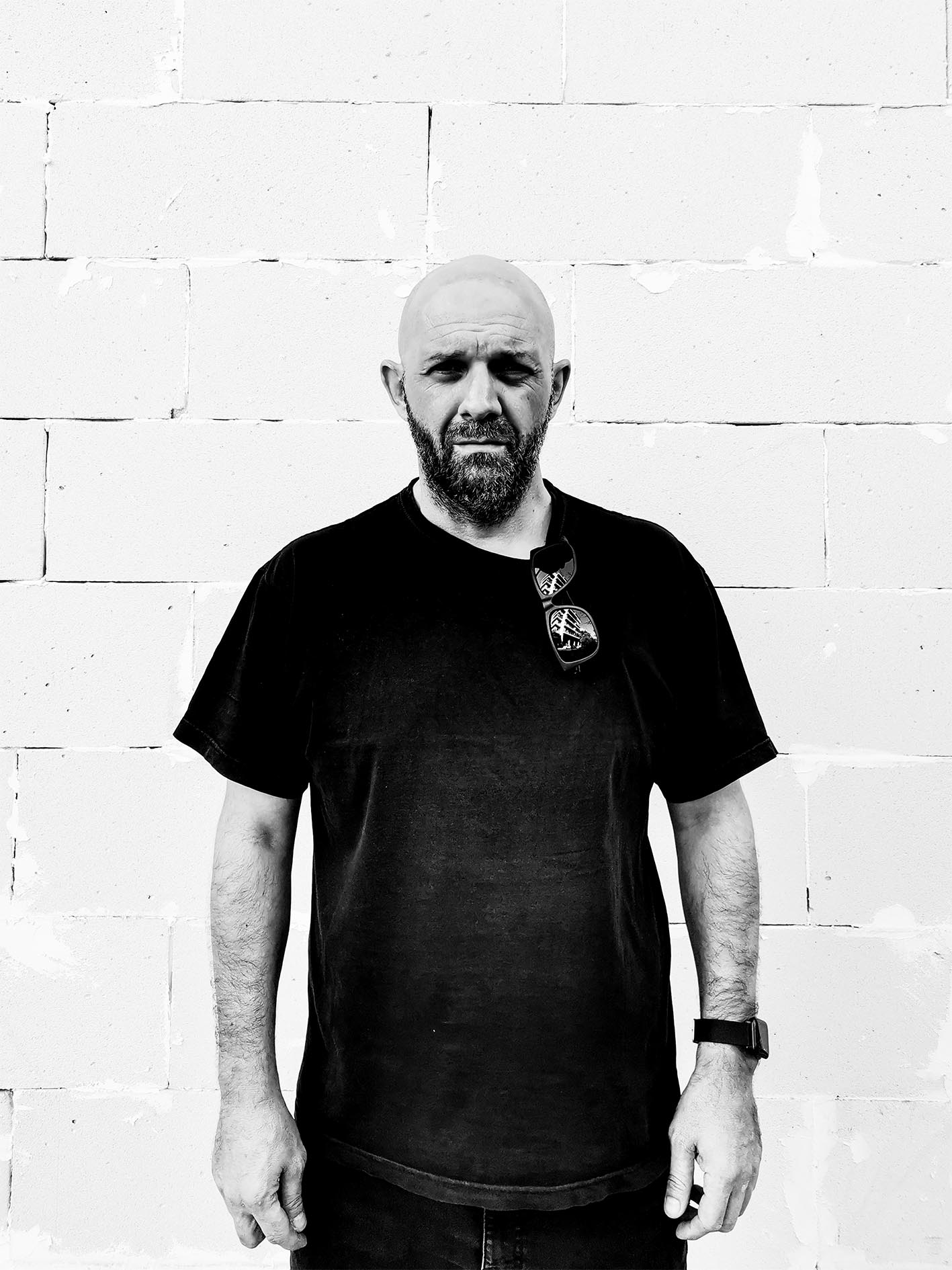
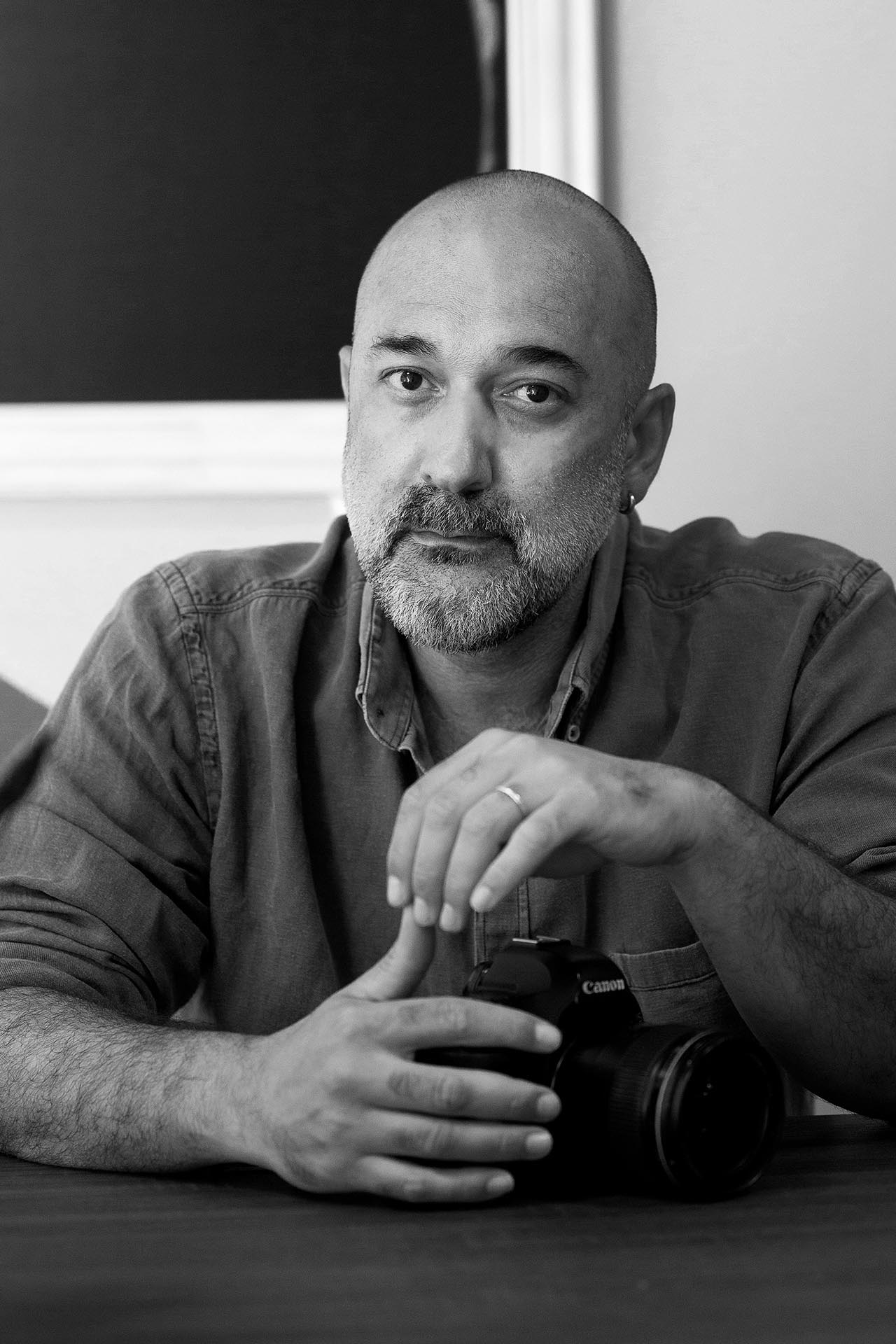
Dimitris Michalakis was born in 1977 in Elefsina, Greece. He studied photography at the Focus School of Photography in Athens. Since 2004 he has been a regular contributor to K Magazine, (Kathimerini, Sunday Edition), and the E Magazine (Eleftherotypia, Sunday Edition).
His photographs have been published in various Greek and international publications (Spiegel, Die Zeit, Rolling Stones Magazine, Le Monde, Washington Post, International NY Times, Vice). He has traveled on press missions to many countries.
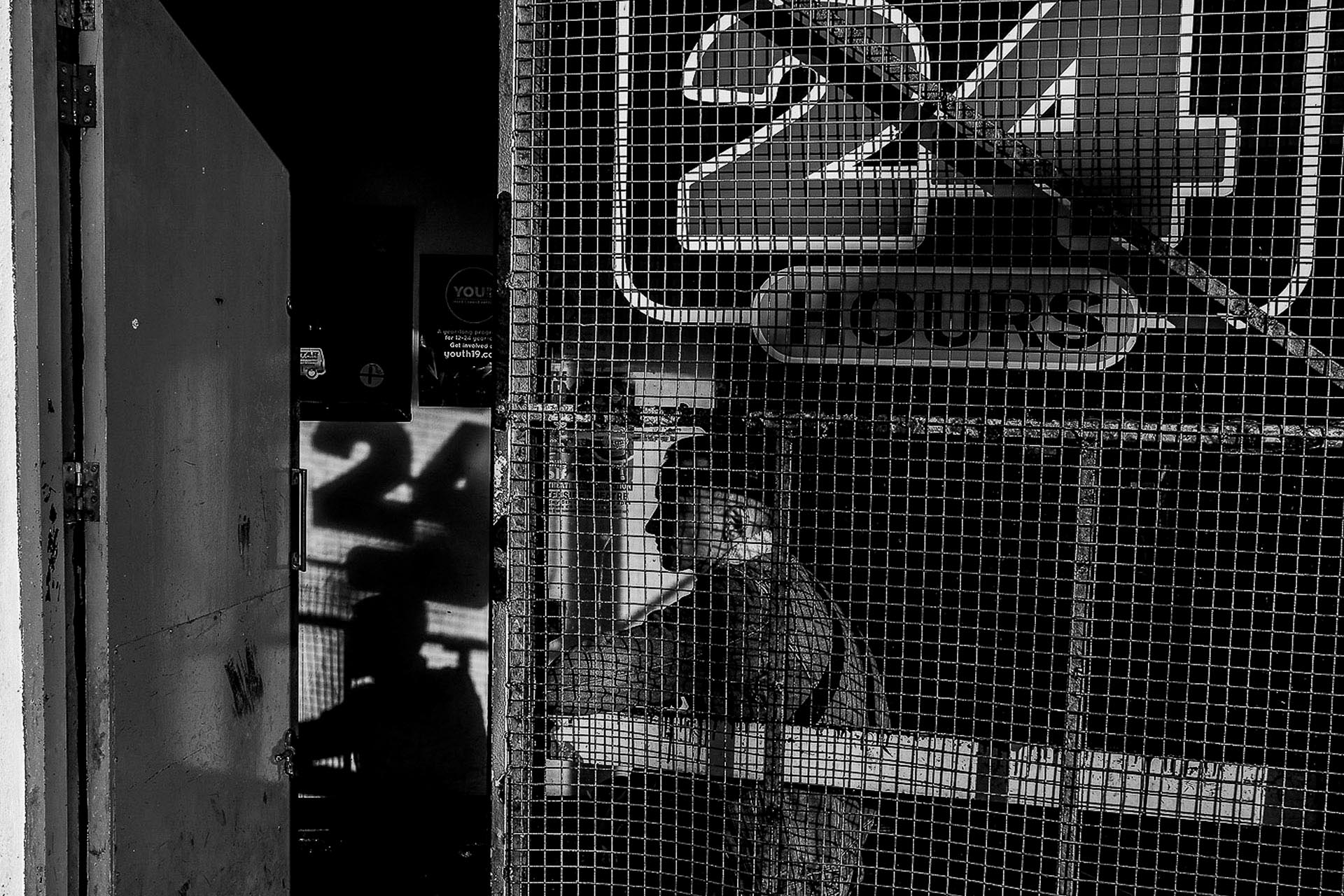
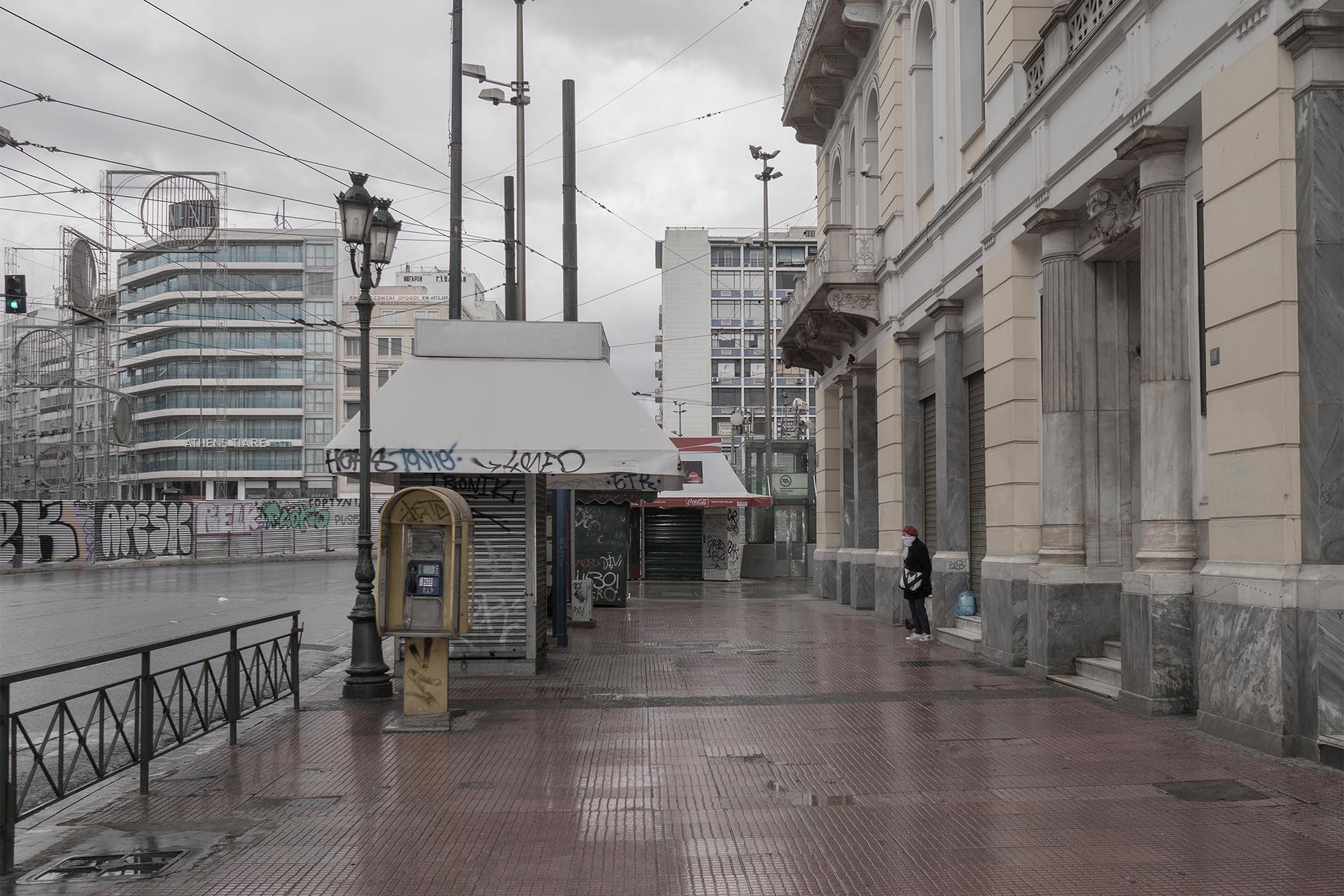
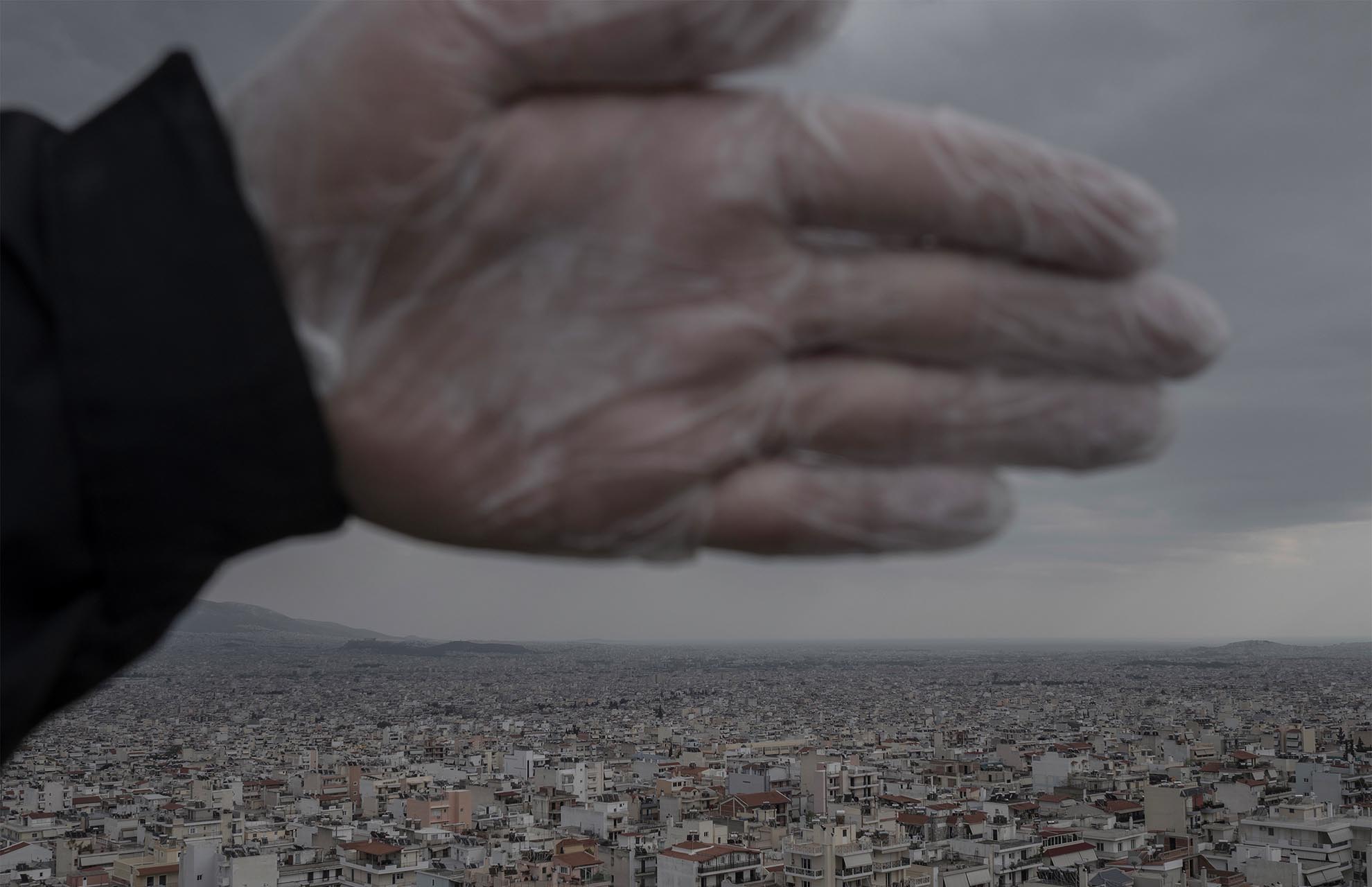
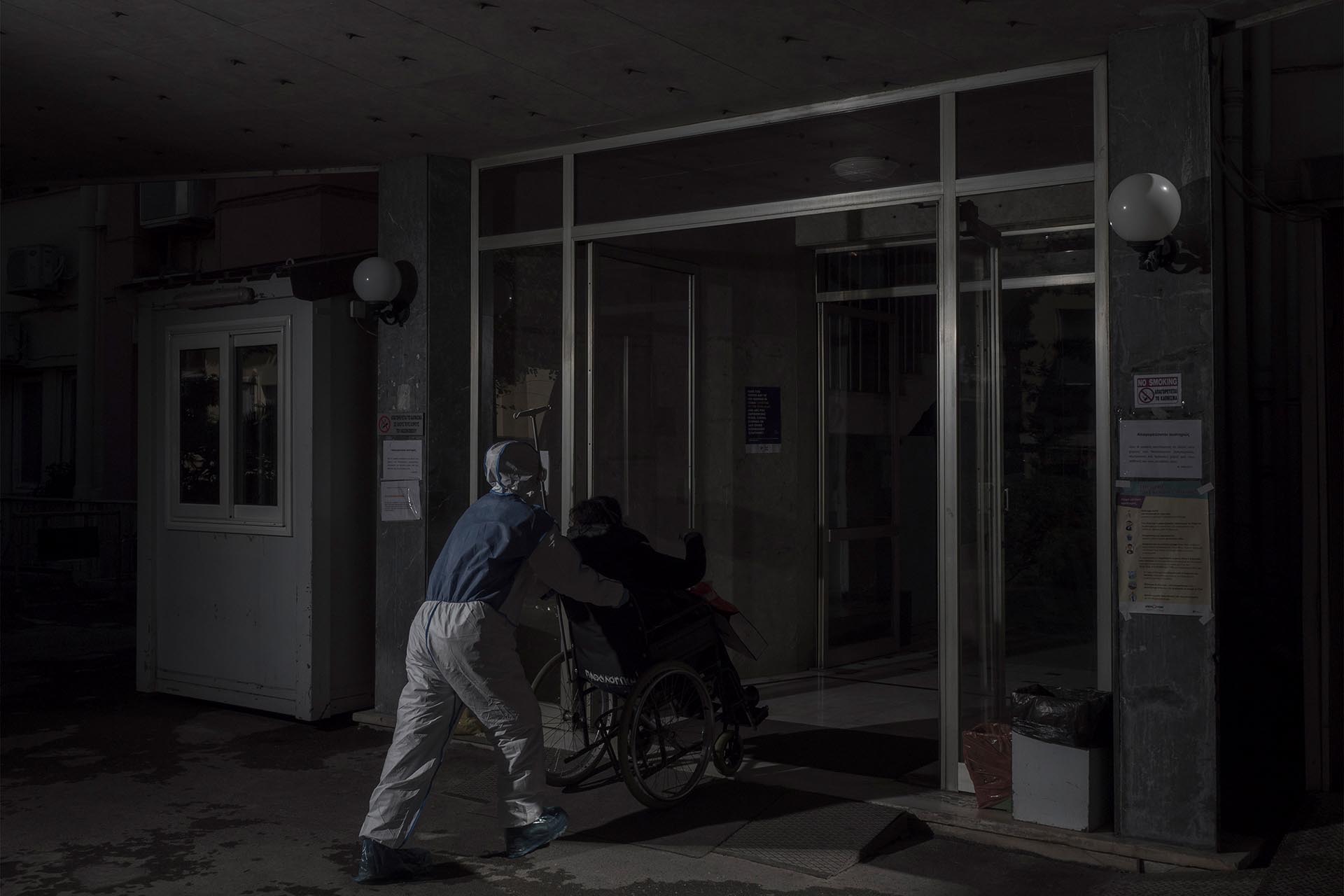
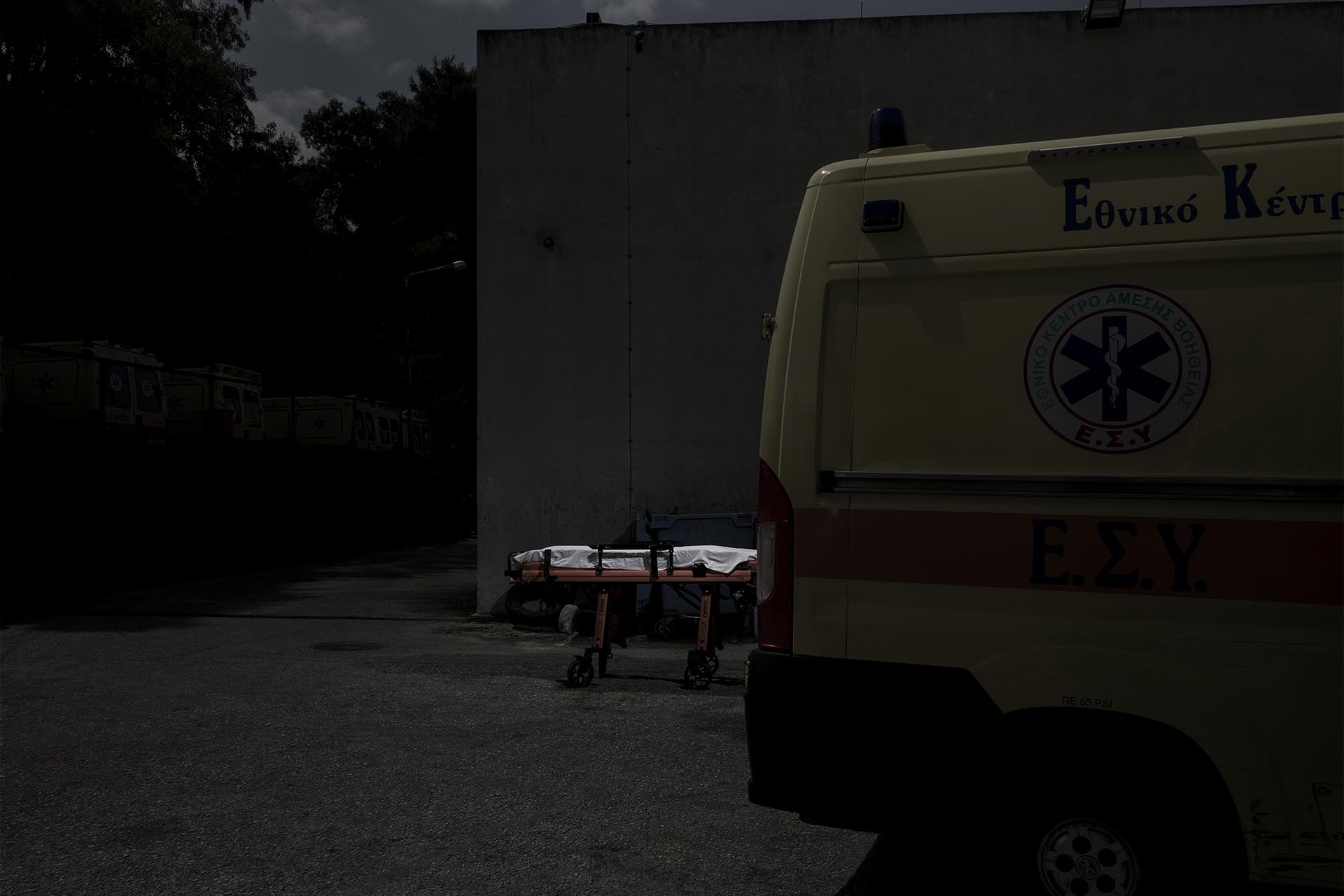
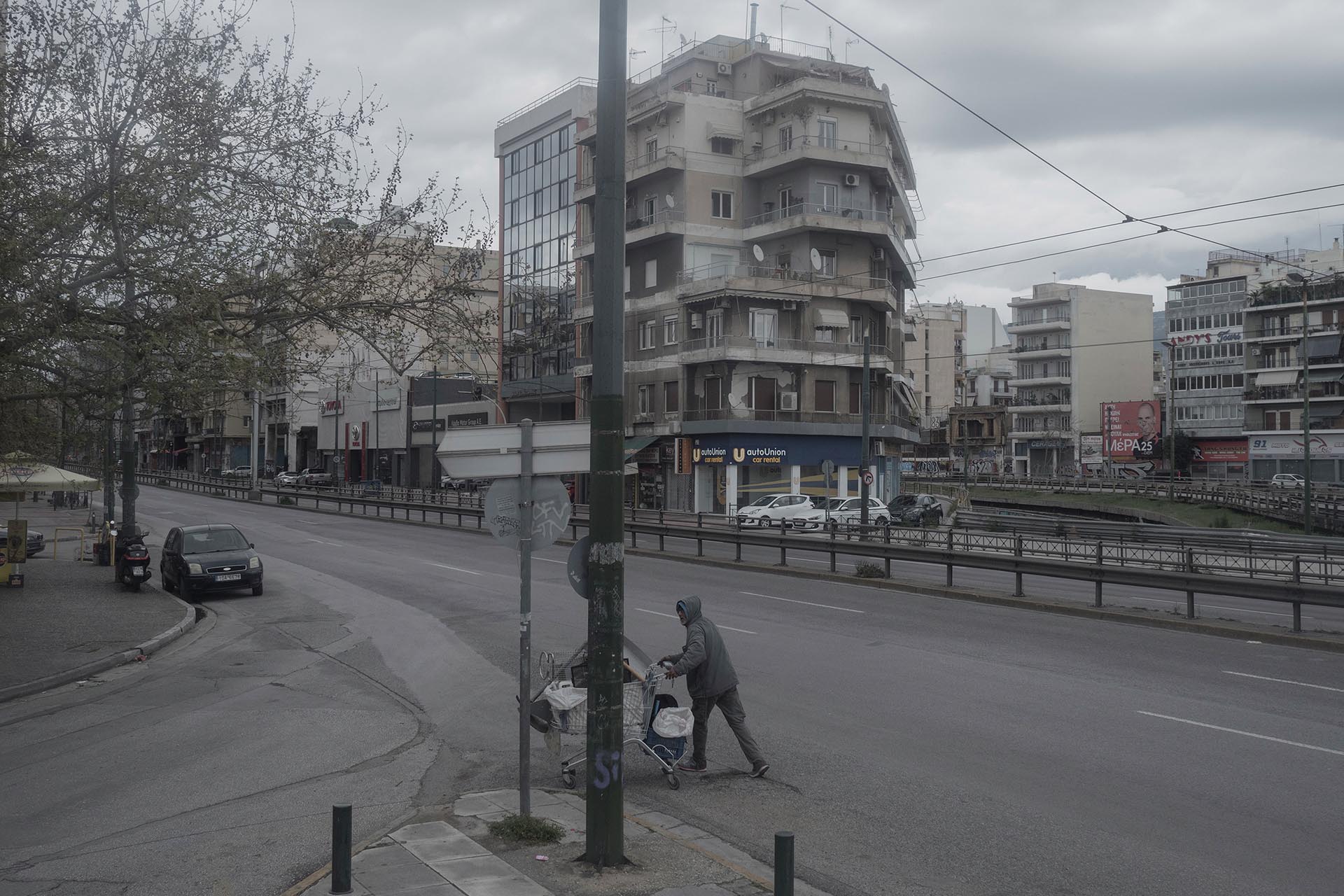
Taking pictures during the lockdown period at the height of Covid-19 pandemic was the realization of the first limitation, the restriction of one’s gaze which could initially extend only as far as the certificate of citizen movement allowed.
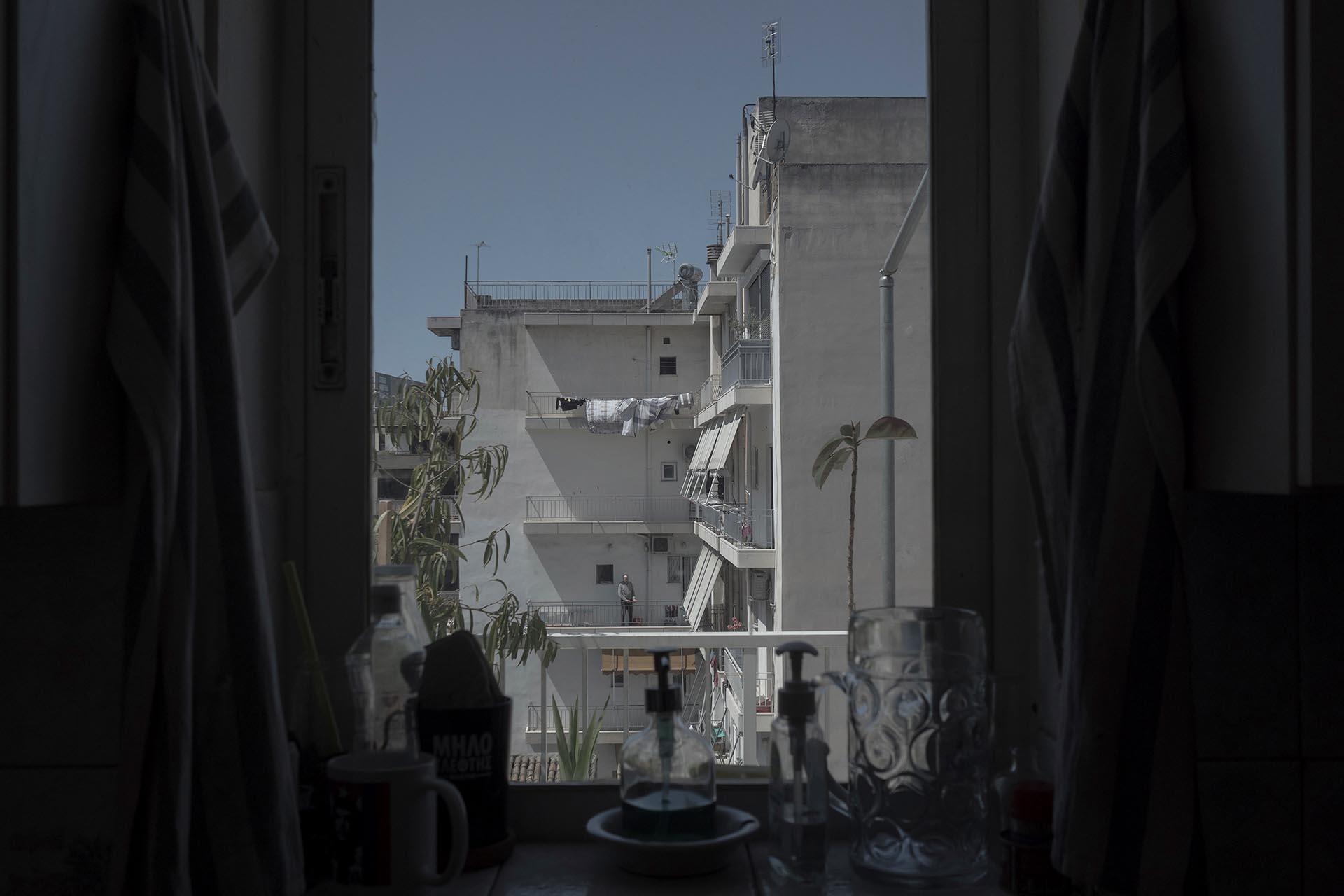
And later to realise how physical distancing was related to, and took the form, of social distancing.
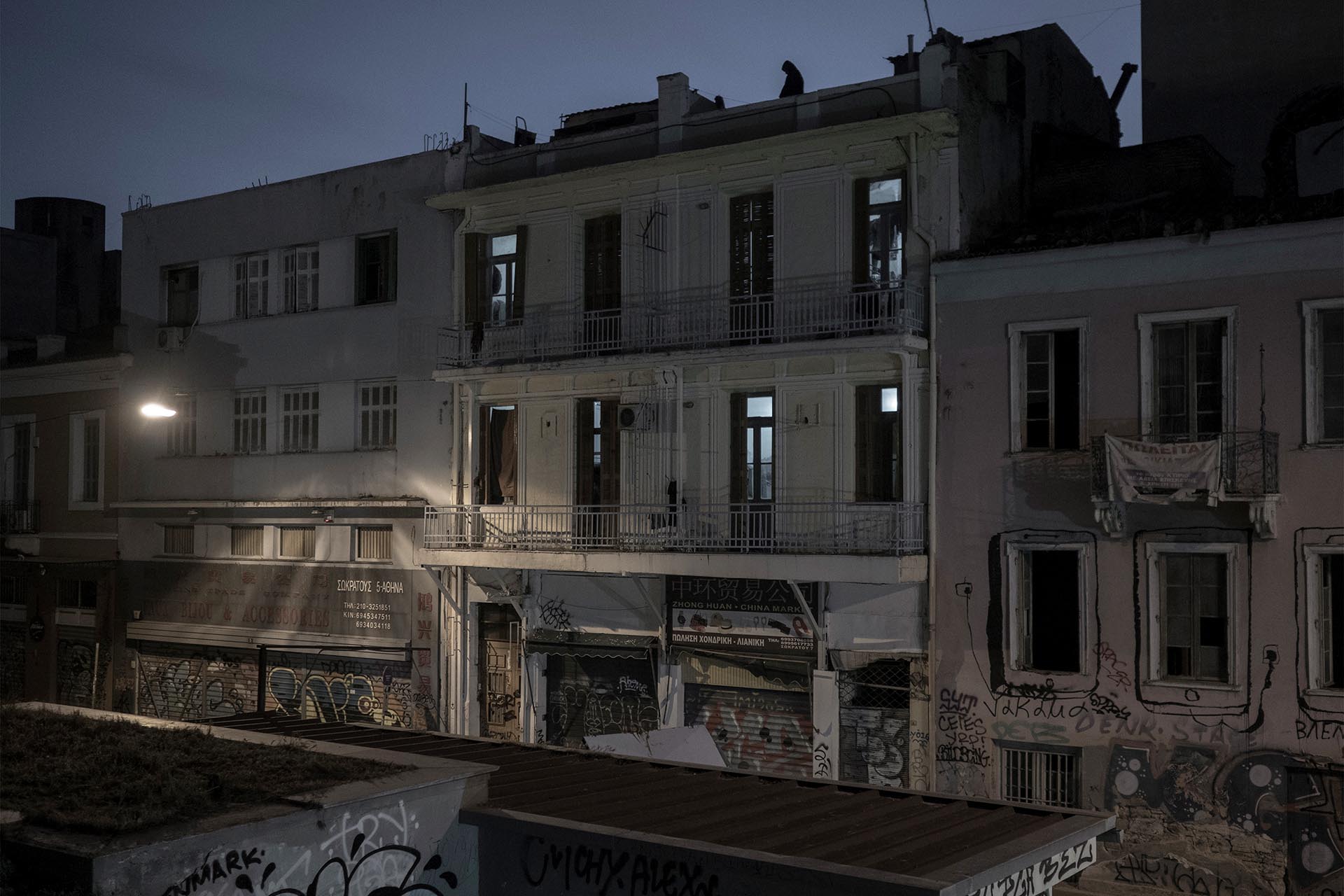
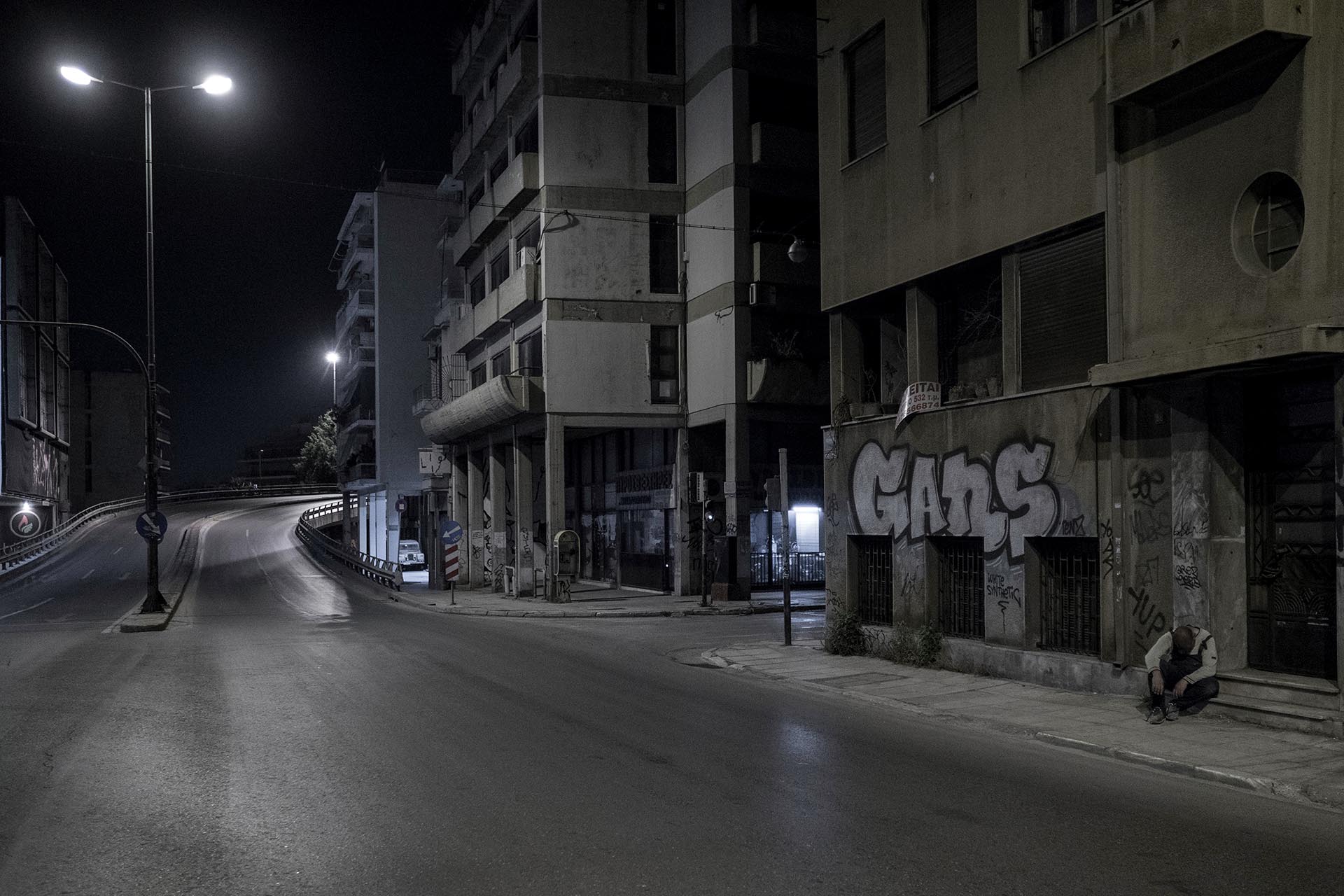
Physical distancing may be a primarily photographic function, however its transformation into social distancing, turned the photographic medium into an active part of biopolitics that deviated from the previously socially and physically “healthy”, creating the need for new “normalities” and forcing the city centre into a process of desertification, excluding any presence as potentially pathogenic –or carrying a previous, now pathological, normality.
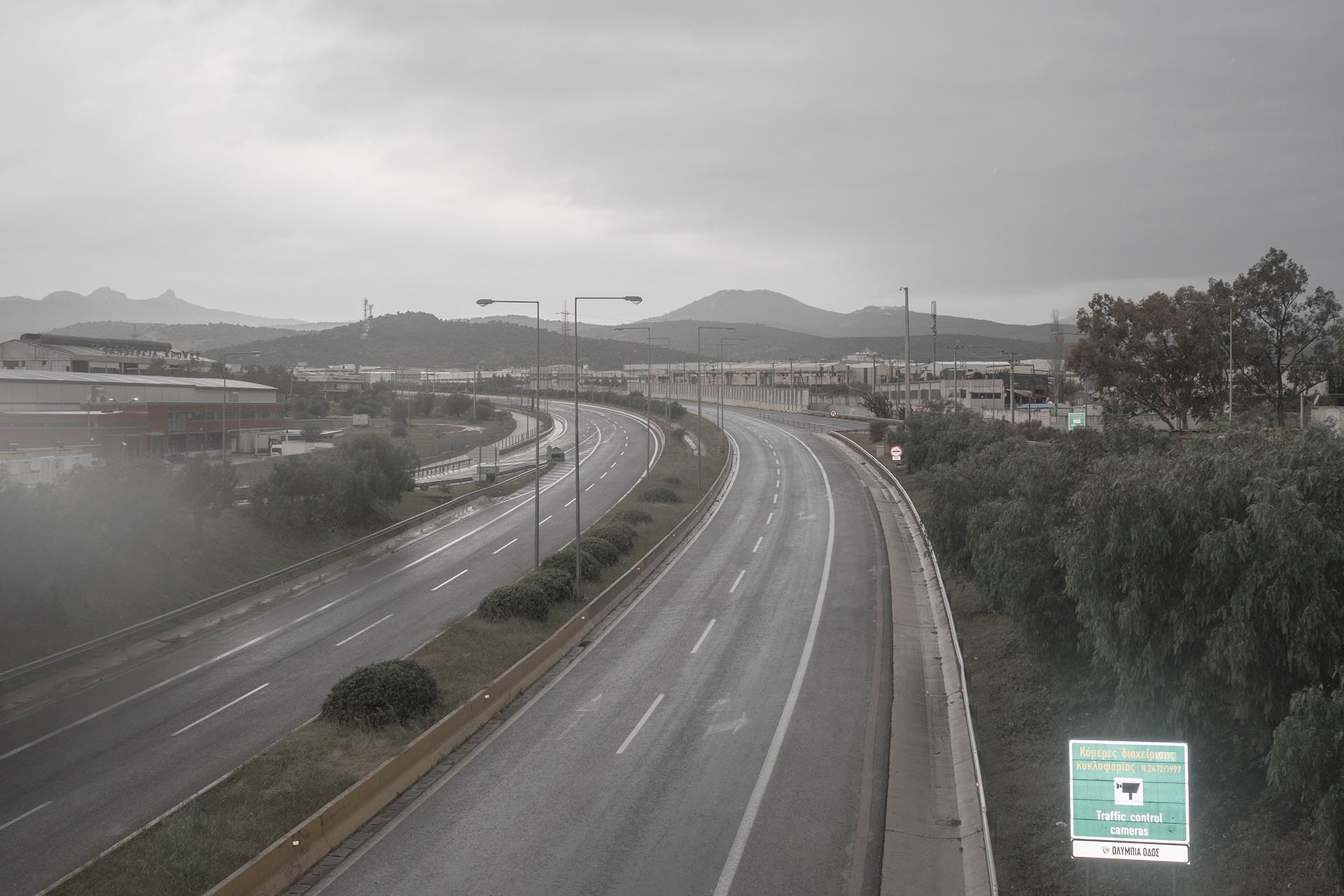
Some mornings, to wait for Syngrou Avenue or the National Road to empty – either in order to cross them or to photograph the new normality – was something that in the pre-Covid era would not have even been possible to imagine.
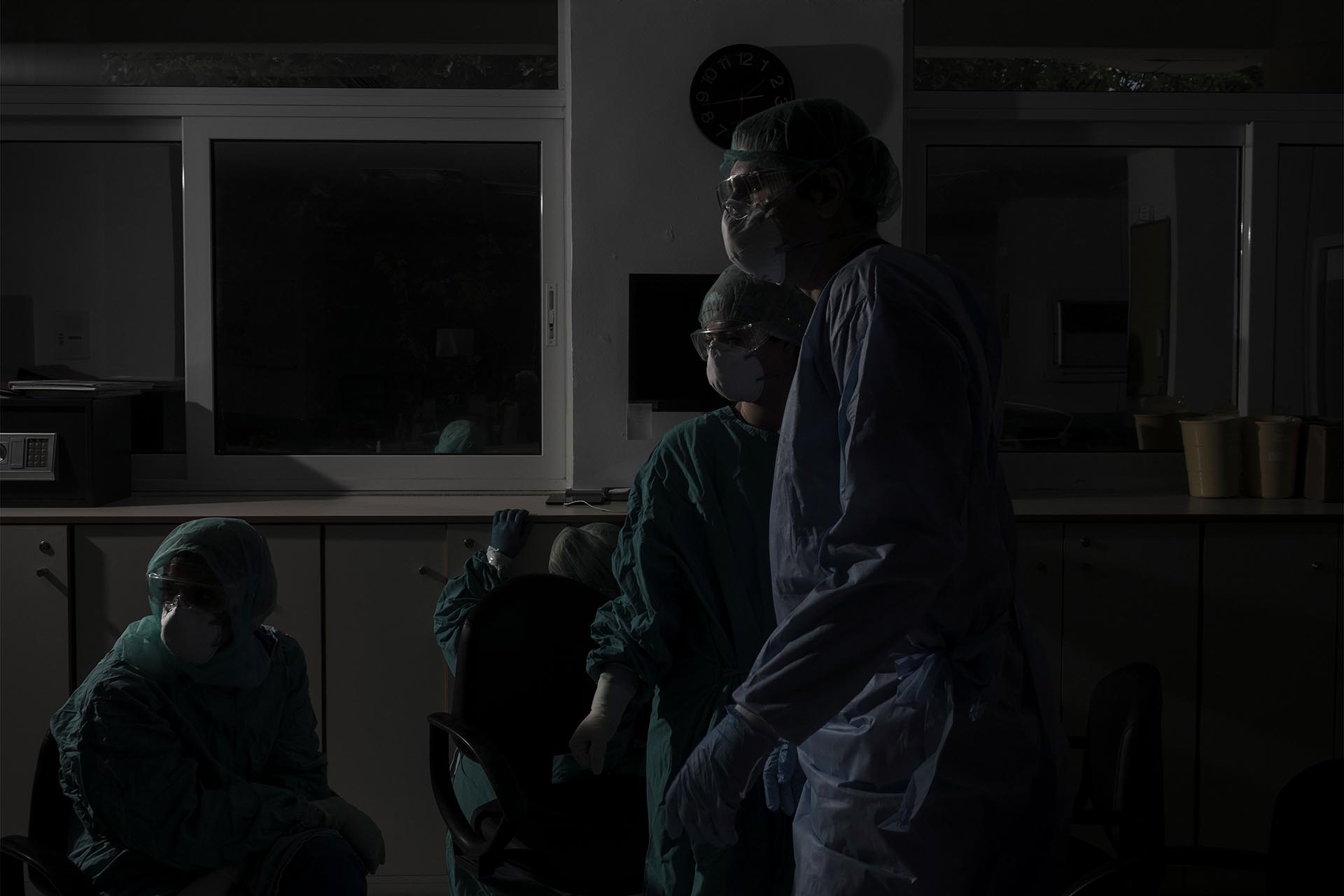
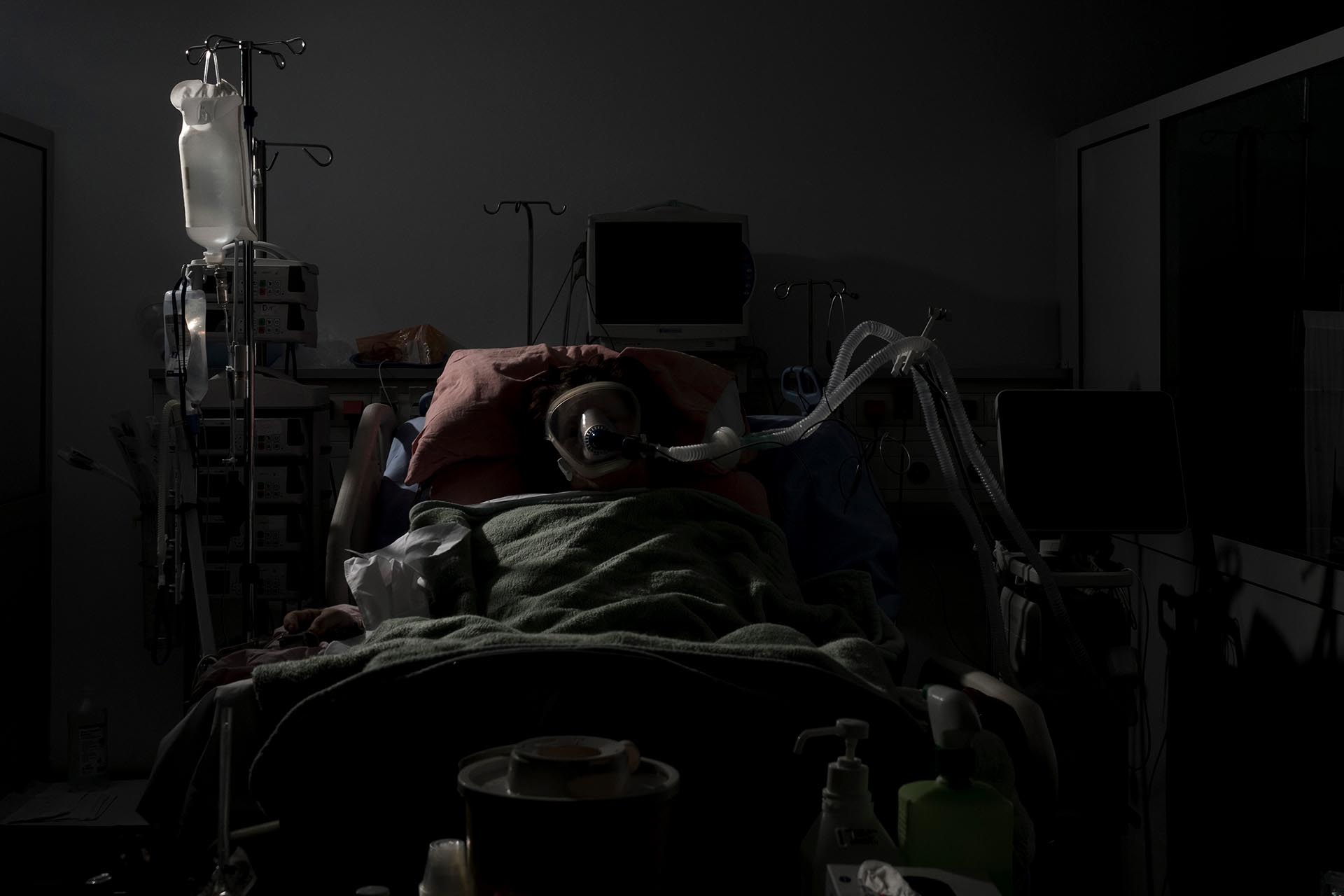
ICUs have become our point of reference, not only as places of patient transport, but also as places of claiming what is necessary for the public health. However, they also became the model for how our personal spaces should be and how we should exist within them.
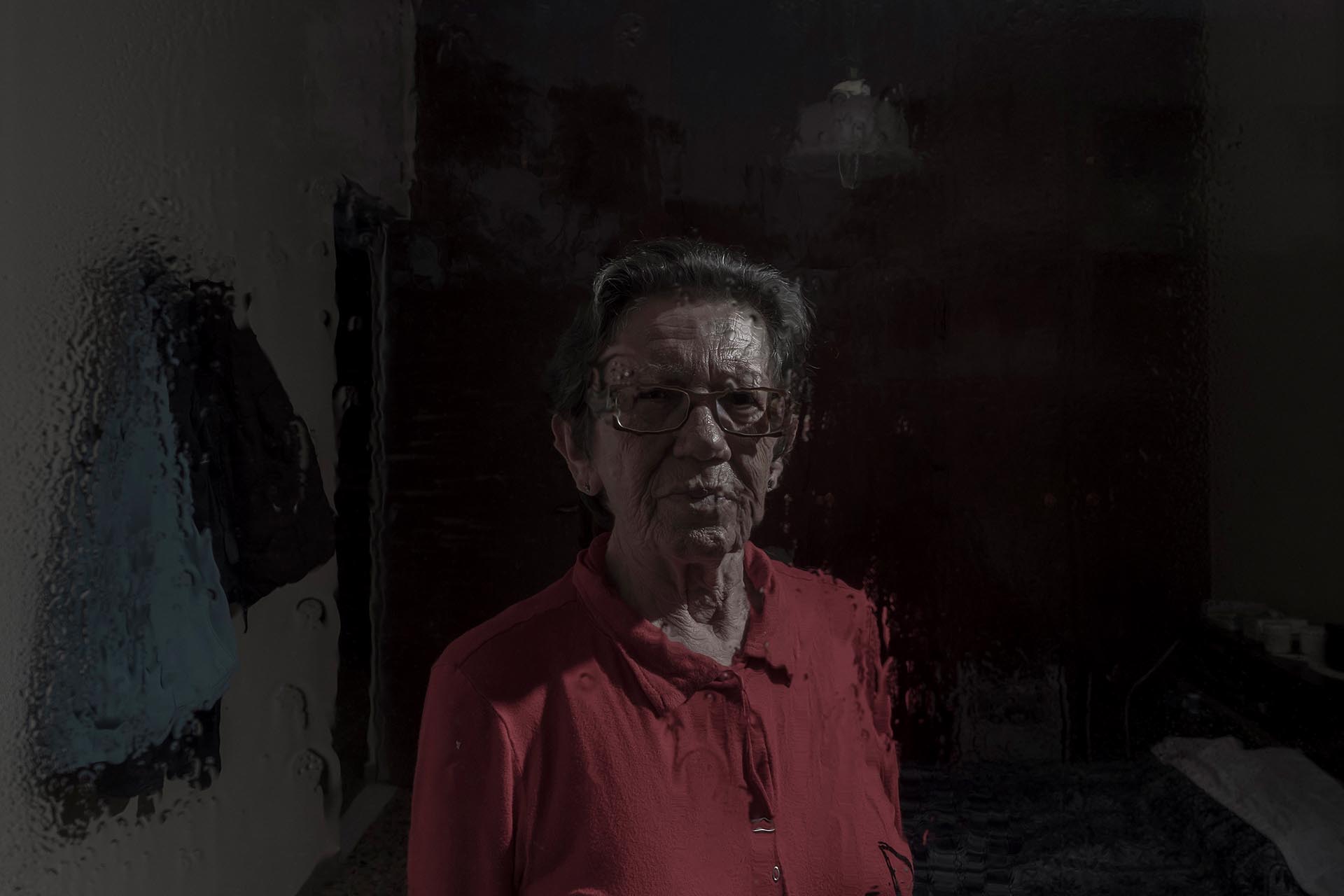
The dystopia of a possible and sometimes expected emergency, became a material reality and was experienced not in shared bunkers, where groups of people gather together to save themselves, but in millions of separate bunkers into which each private space was transformed.
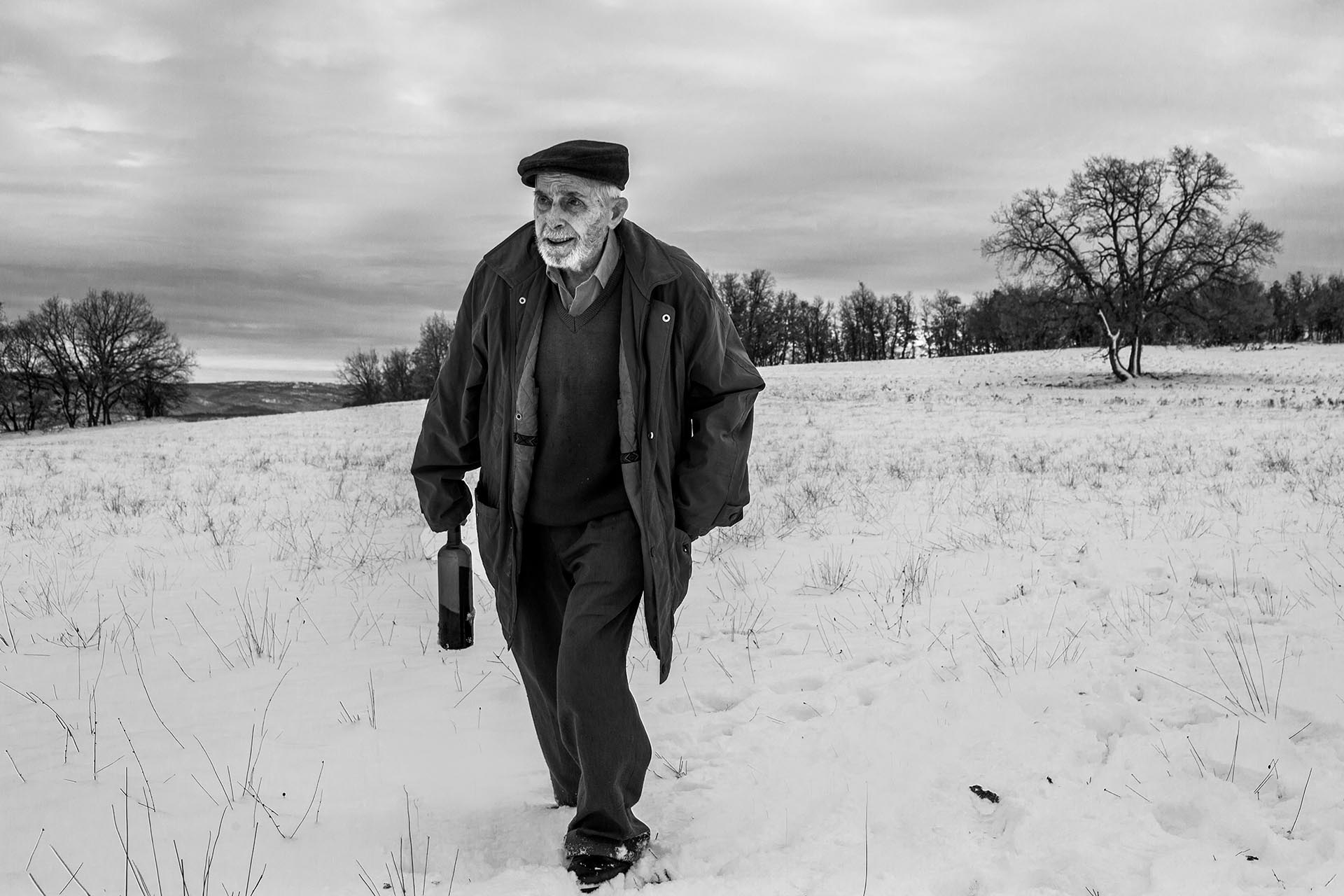
Antonis Pasvantis is based in Kavala, northern Greece. He studied Electrical Engineering & Electronics at Brunel University in West London and Photojournalism at Leica Akademie of Athens. During his studies in photography he focused his work on the life of migrants from west Africa who sold illegal fakes of expensive brands in Athens.
Part of this work has been exhibited in the Young Greek Photographers section of Athens Photo Festival 2006. His work has also been exhibited in the Museum of Photography in Thessaloniki as well as the Odessa/Batumi Photo Days Festival. He followed the refugee crisis from 2015 to 2017 and part of his project about Idomeni has been displayed at the Museum of Photography of Thessaloniki, in the European Parliament and the Adelaide Photo Festival.
Since 2017 he has documented the impact the Greek -Turkish border is having on people. His story Sombre Caste investigates the rise of a new dark class in the aftermath of the 10-year Greek financial crisis and he was among the finalists of Athens Photo World Award contest in 2020, being granted the opportunity to work with a mission of the Greek branch of Medecens sans Frontieres
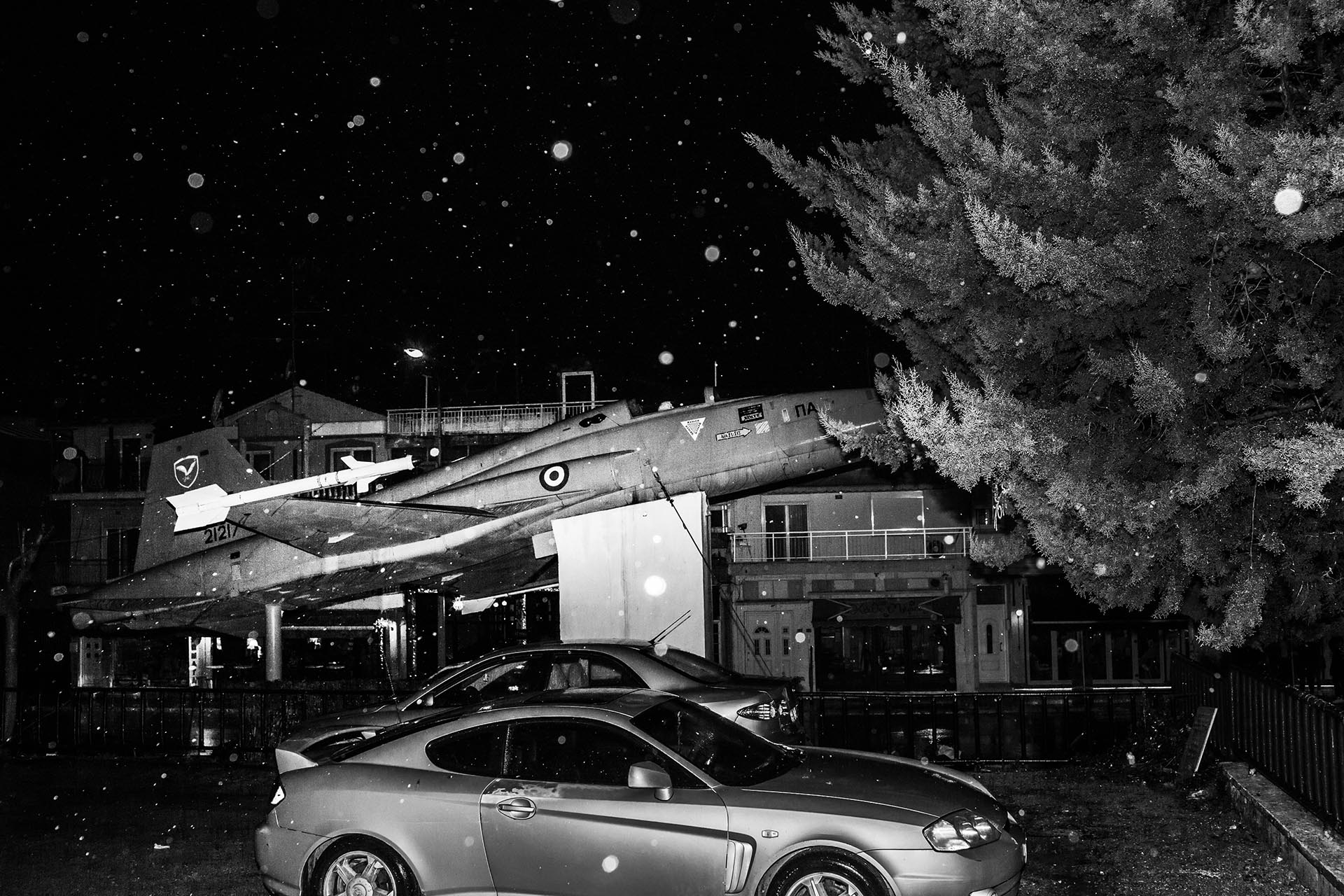
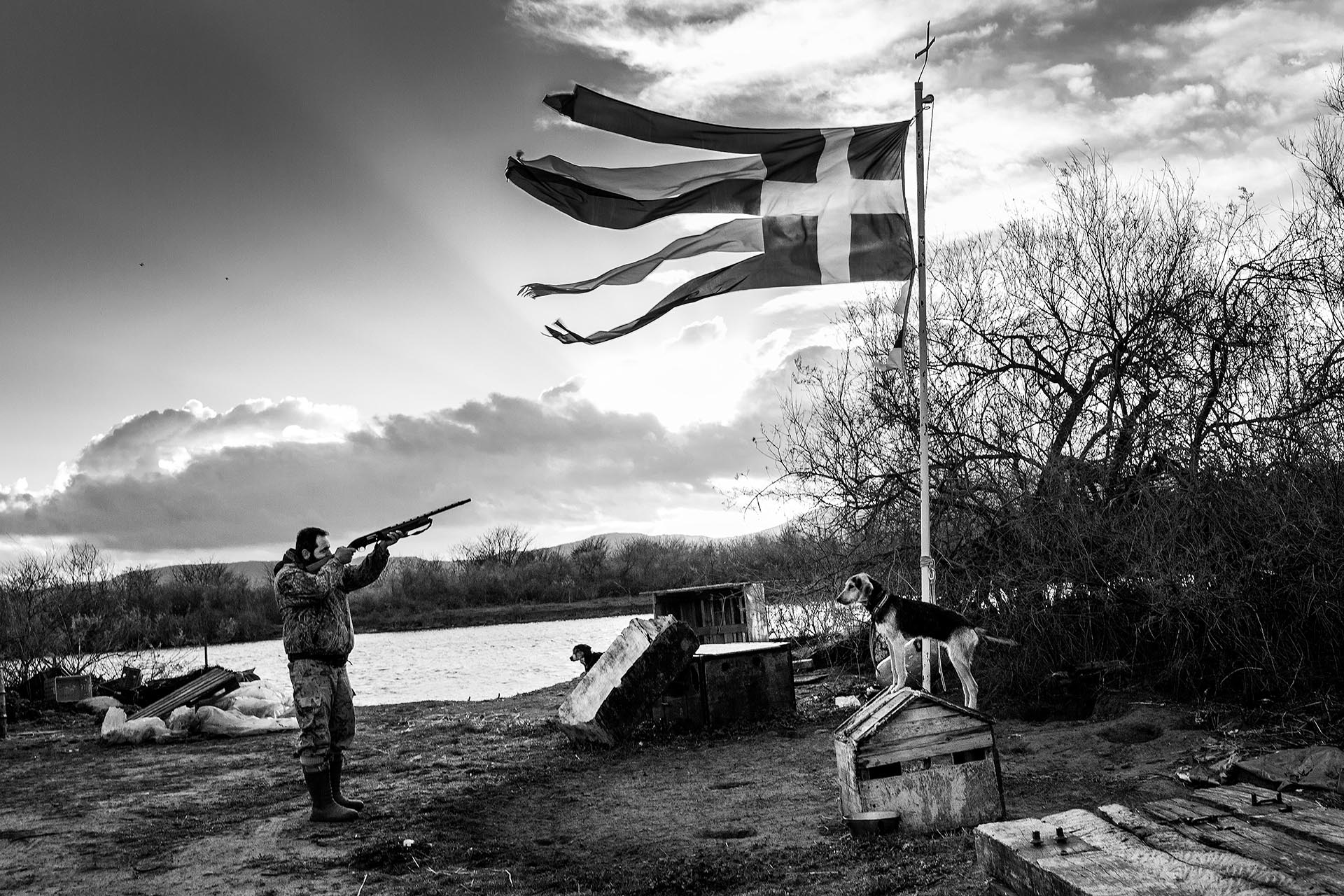
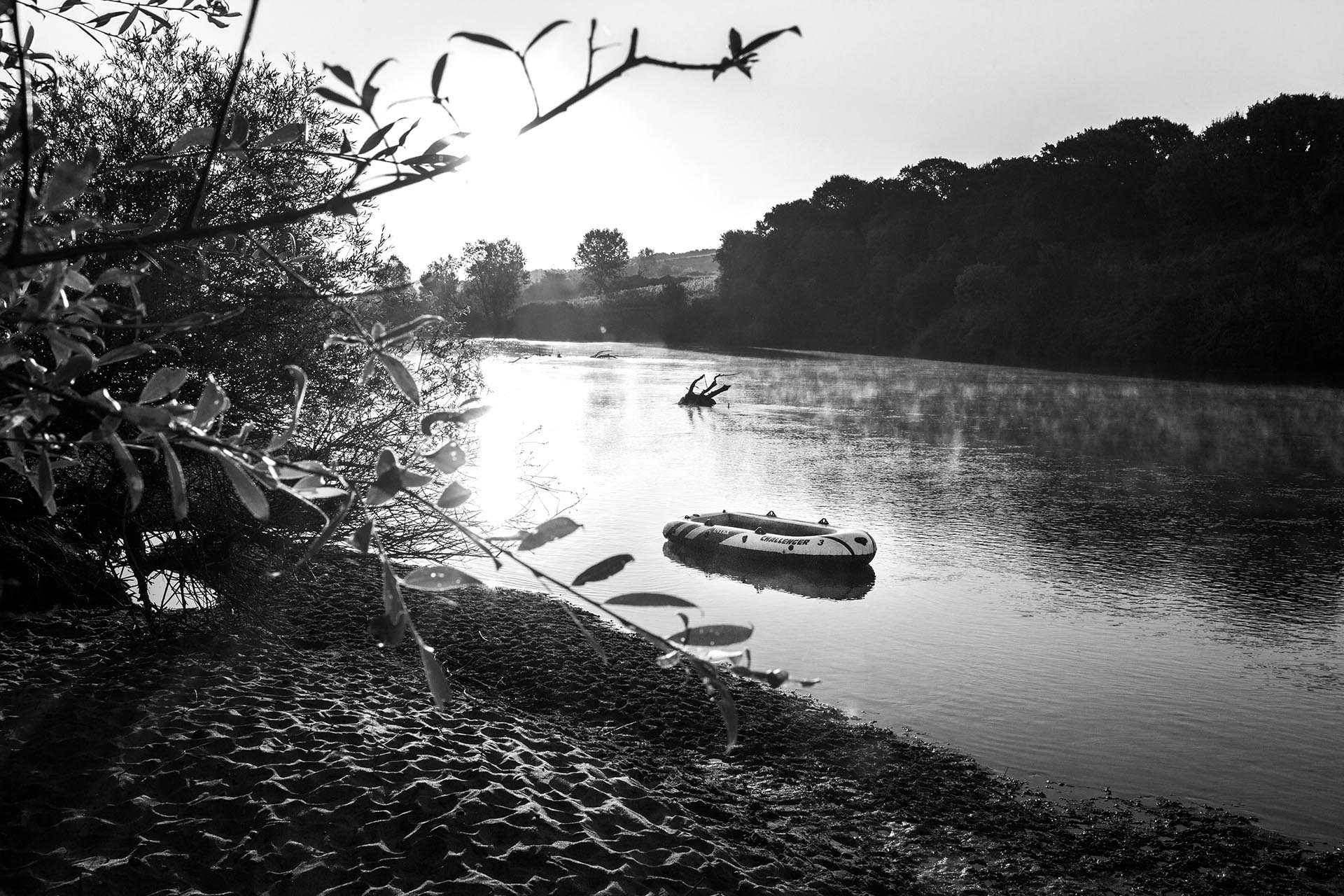
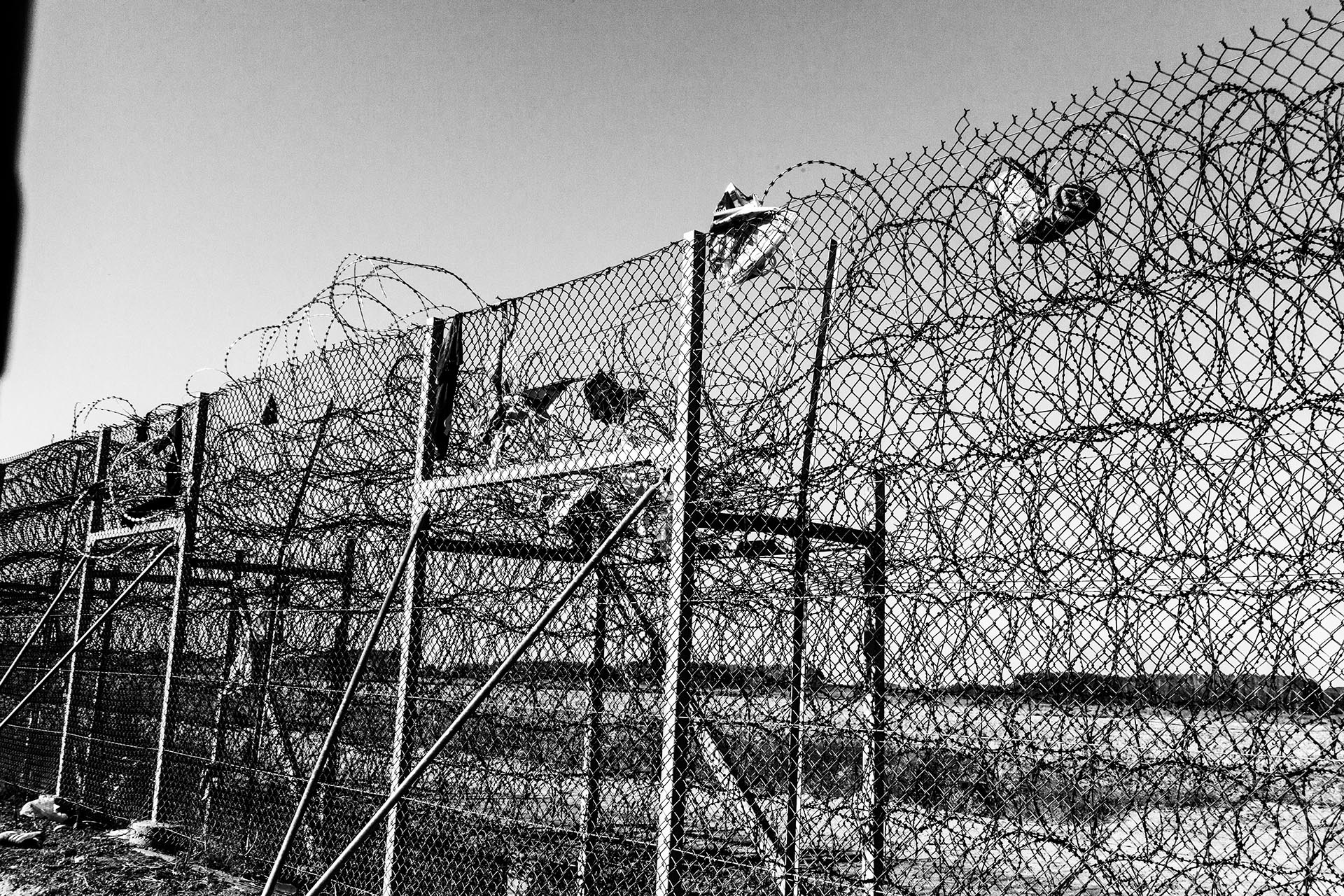
Evros is the name of the river which flows across the Greek-Turkish border and an area in Greece where people from four different ethnic and cultural backgrounds (Greeks, Roma, Muslim minority and Pomaks) live together in peace.
Despite this fact, the two neighbors, Greece and Turkey, have always been apprehensive as Evros was once a field of past conflicts between them.
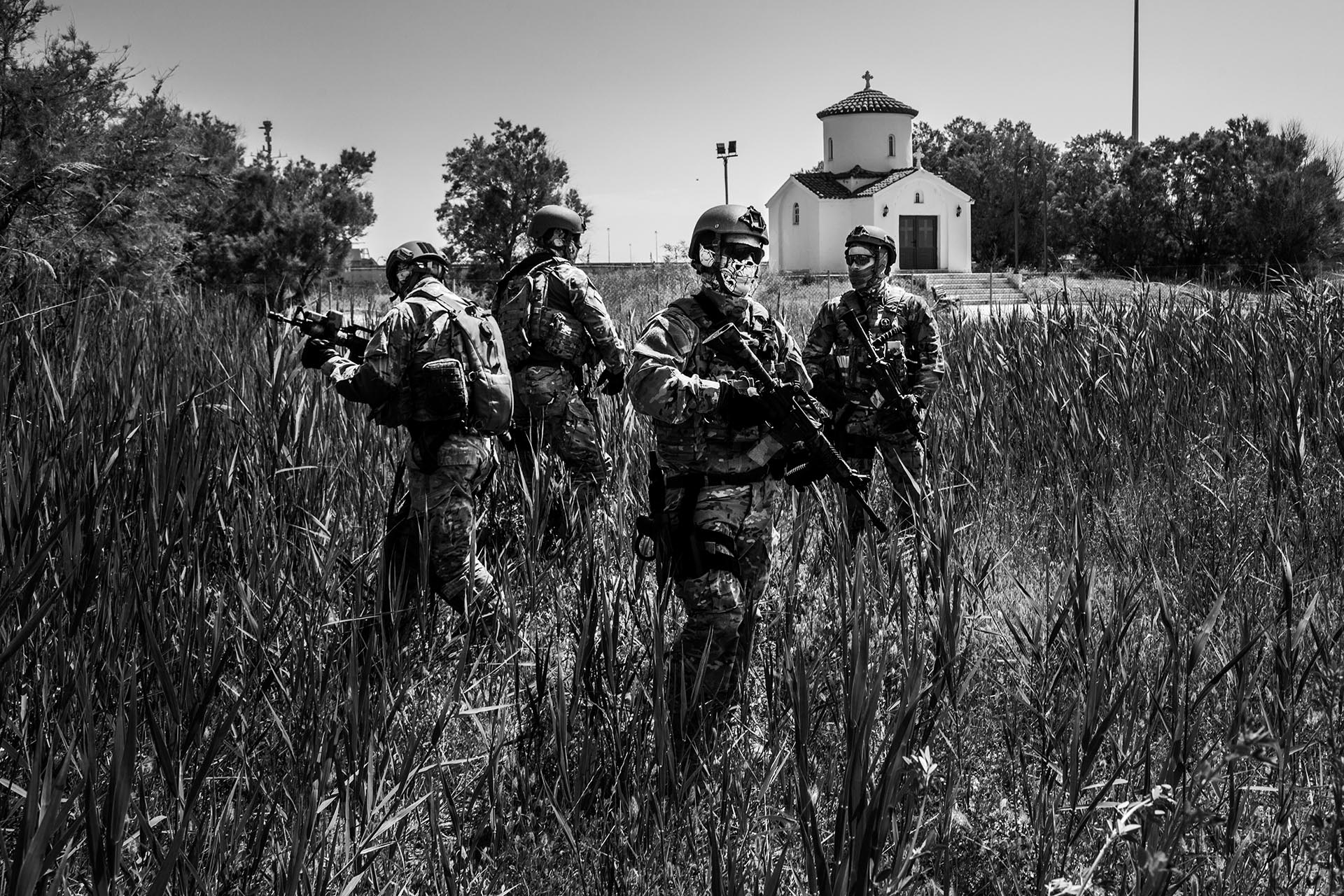
As a result, Evros has been transformed into one of the more, if not the most, militarized areas in Europe.
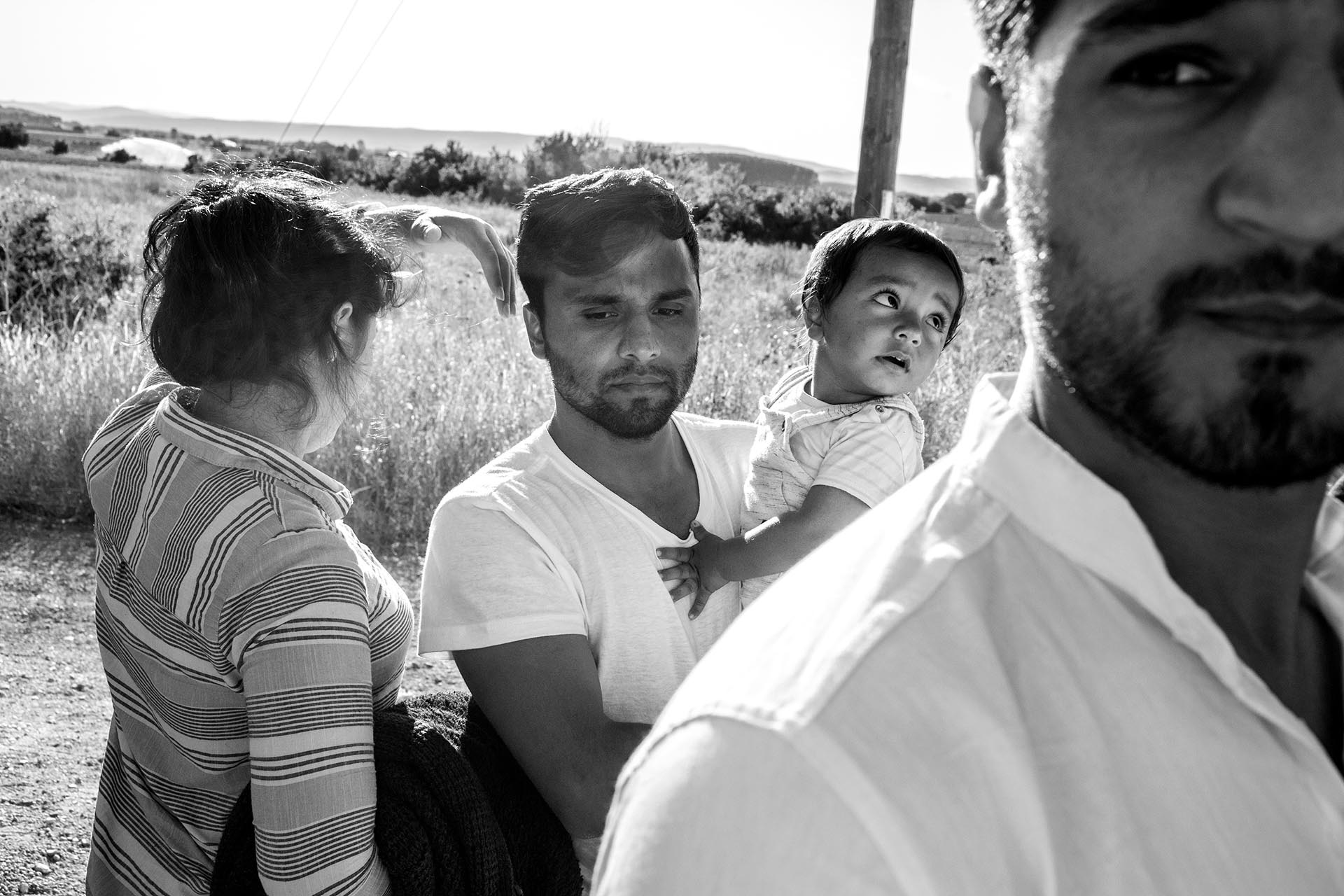
During the last three months, Evros has made the headlines of large news networks due to the efforts of thousands of migrants and refugees to cross the border and reach Europe.
They were misled by the Turkish government which spread fake news that Greece had opened the borders to those who wanted to cross into the country.
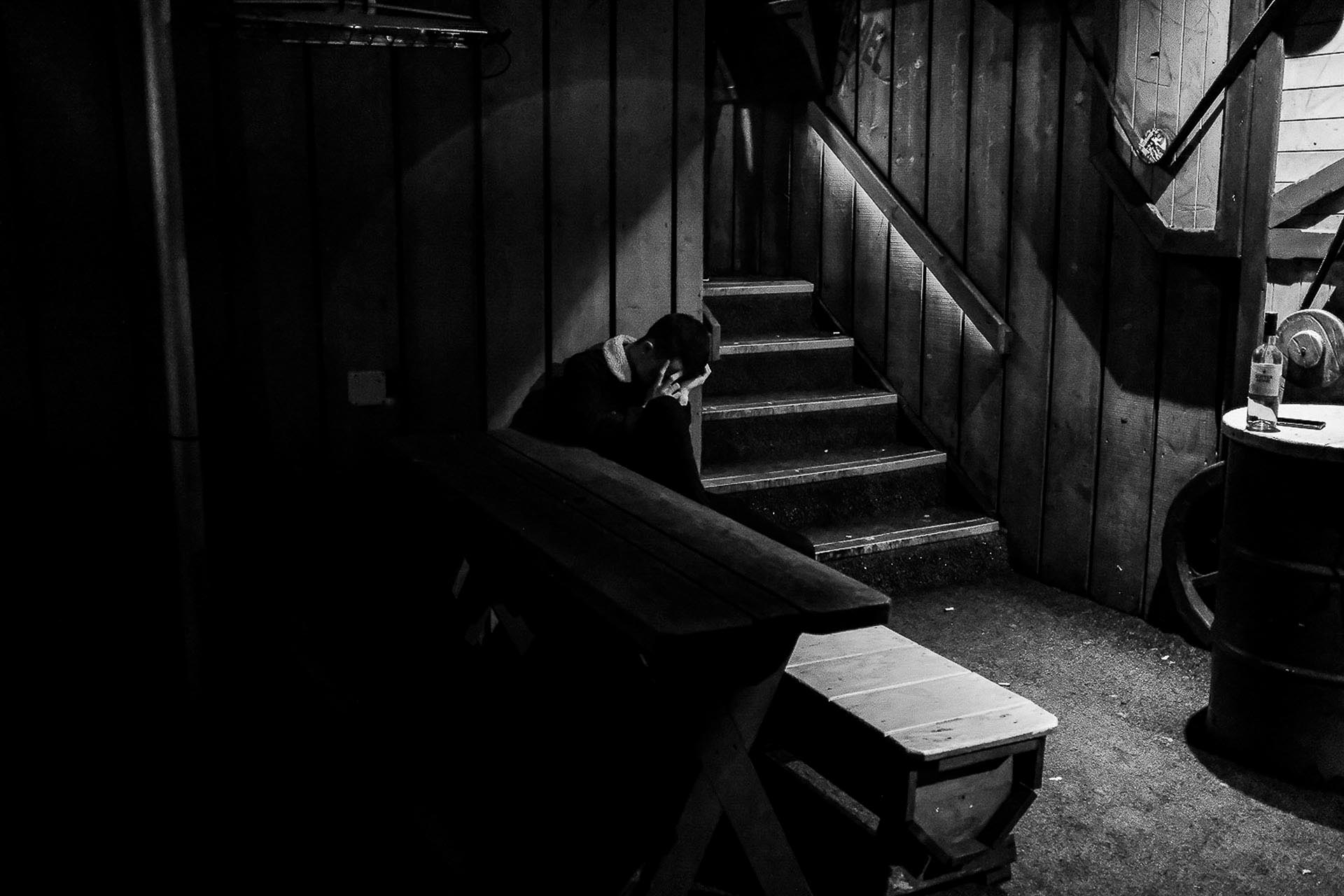
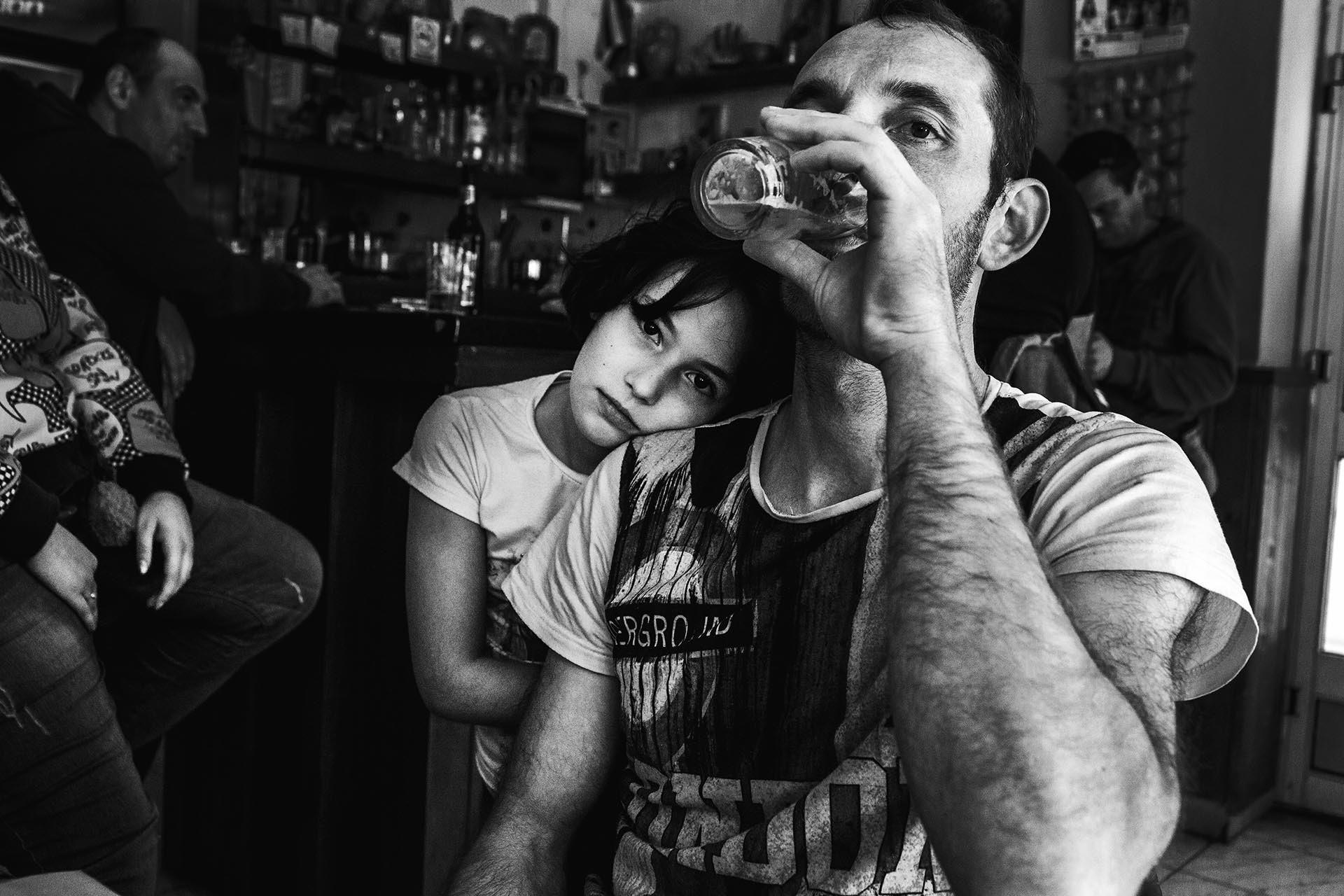
My pictures capture a new class of citizens that has been shaped in the aftermath of the Greek crisis. This caste always existed but due to the social cohesion and the strong family relations pervading Greek society, their status never came up to the surface.
The geography of the region on the country’s periphery had always defined and pressured the lives of people in Evros, but since 2010, when the Greek crisis erupted, the middle class underwent a transformation.
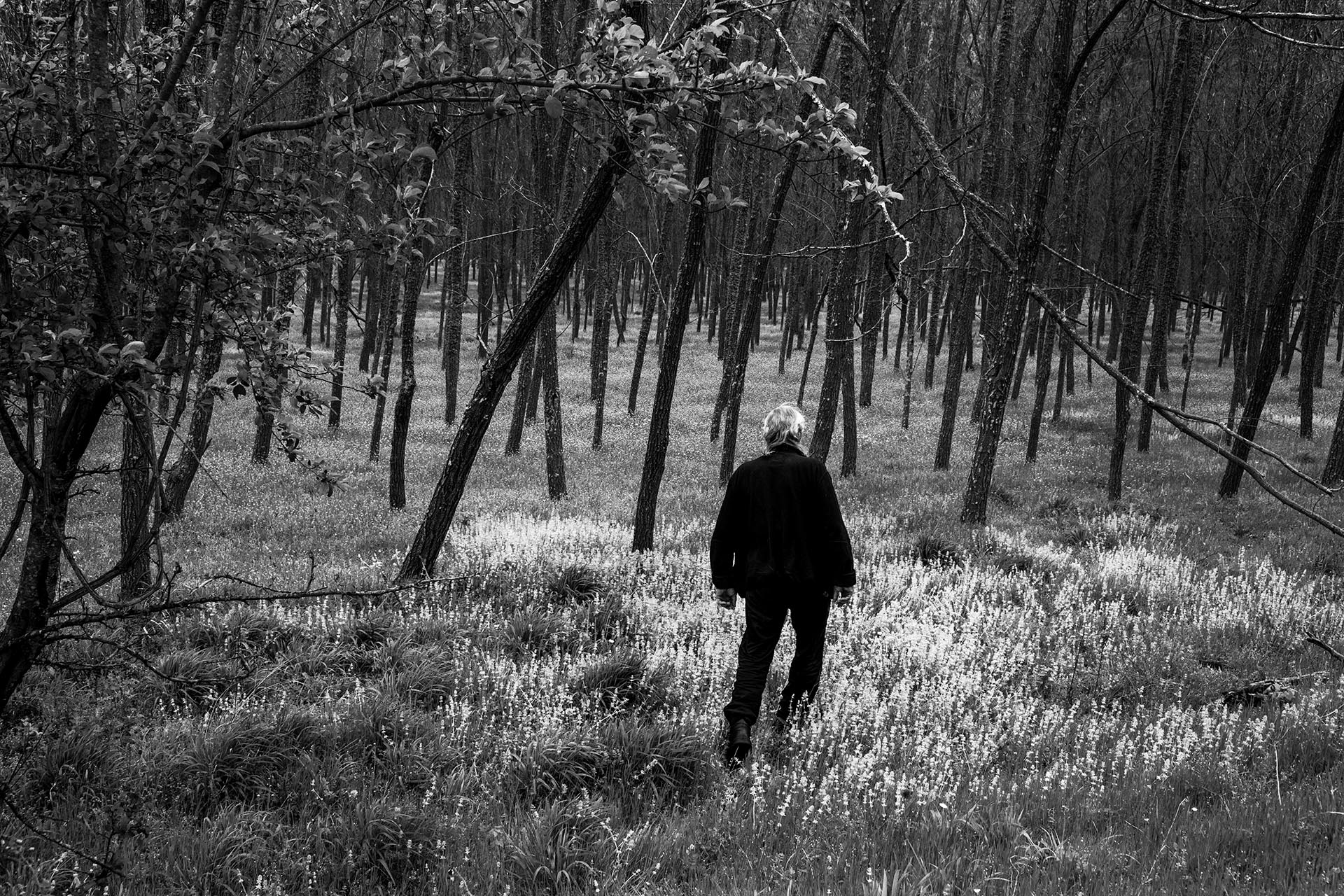
Most of Evros’s factories have shut down and have turned into industrial carcasses. More people were abruptly driven to poverty and, over time, the neglected area of Evros became an uncharted and isolated land.
On the other hand, Evros serves as the gateway to Europe for thousands of refugees and migrants. Since 2000, more than 400 people have lost their lives in their attempt to cross the river.
According to Dr. Pavlidis, a medical examiner and forensic scientist in the area, the most significant cause of death is either drowning or hypothermia.
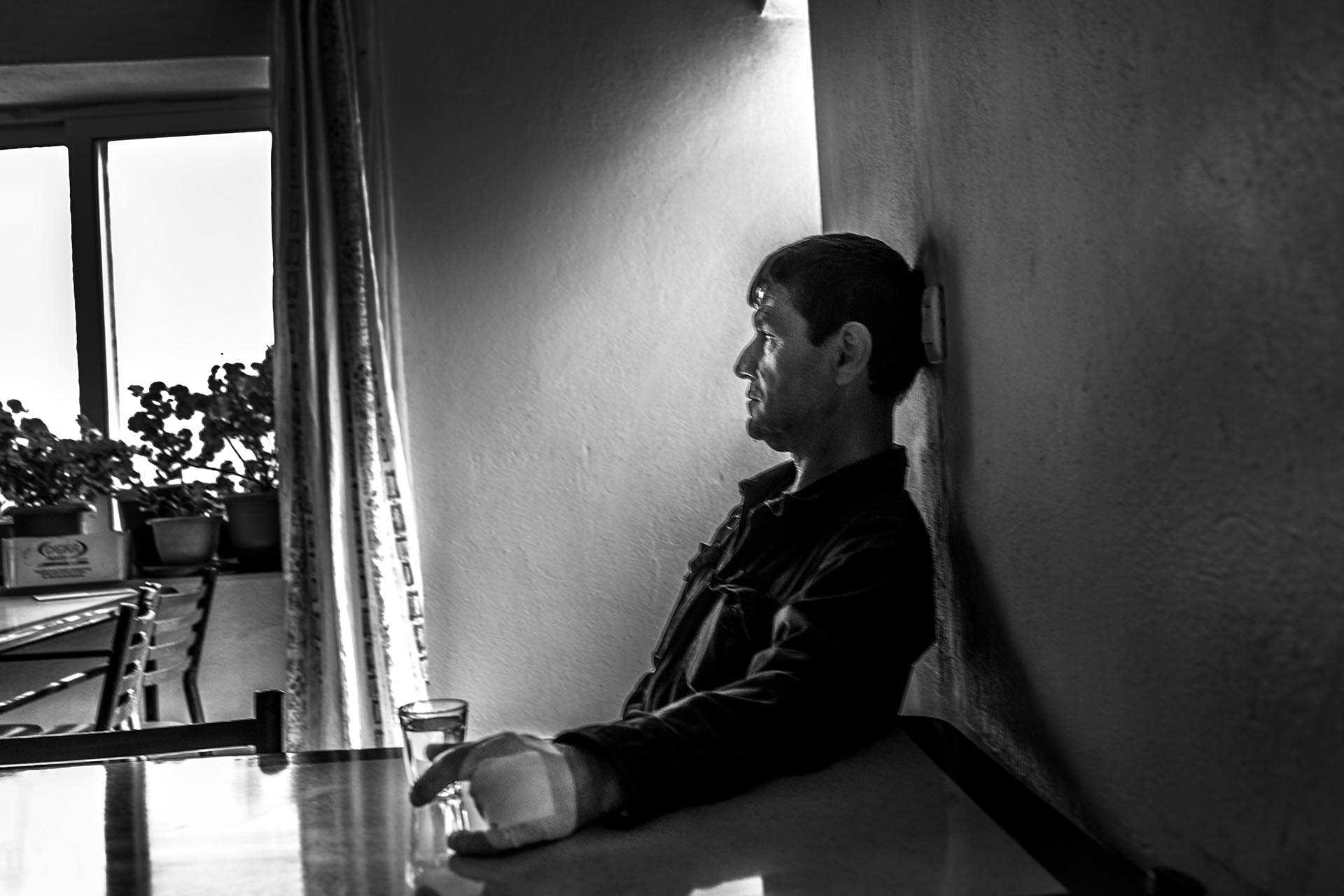
The refugees that do manage to cross this death river are usually forgotten in a neglected detention center until the central bureaucracy decides on their future.
Byron Smith is an American freelance photographer based in Athens, Greece. Before moving to Athens in the summer of 2019, he worked as a stringer in New York City since 2011.
His work has been published in The New York Times, Getty Images, Le Monde, Libération, The Guardian, Der Spiegel, and The Wall Street Journal, among others. Byron was a part of The New York Times Portfolio Review in 2017 and has been selected for the same review in 2020. He was named a second runner-up for the 2020 Athens Photo World competition and is currently shortlisted for the 2022 competition for his recent work in Ukraine. Now, Byron is a Fellow with The VII Academy.
His work has been published with: Getty Images, The New York Times, The Wall Street Journal, The Sunday Times, The Guardian, Der Spiegel, and VICE.
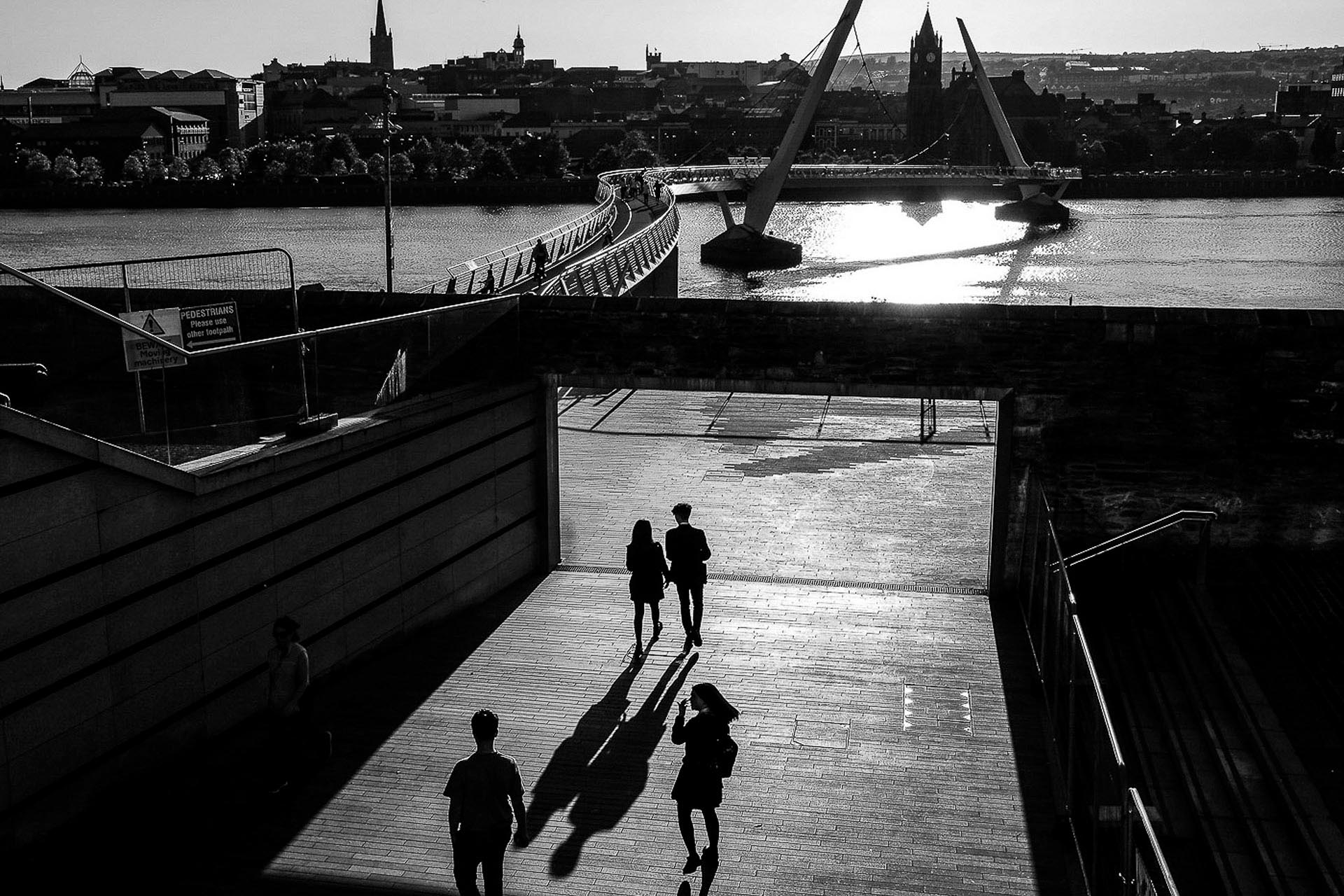
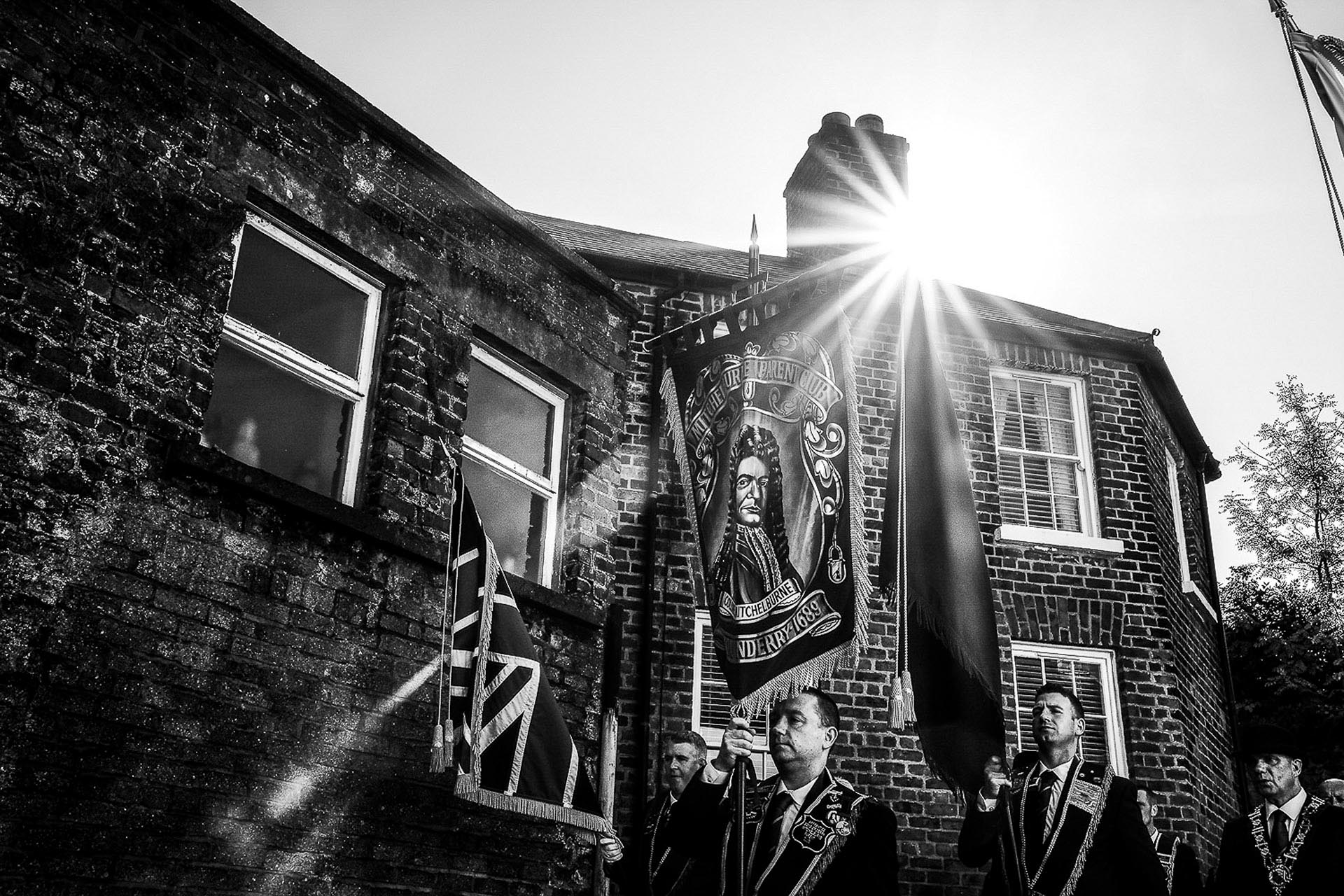
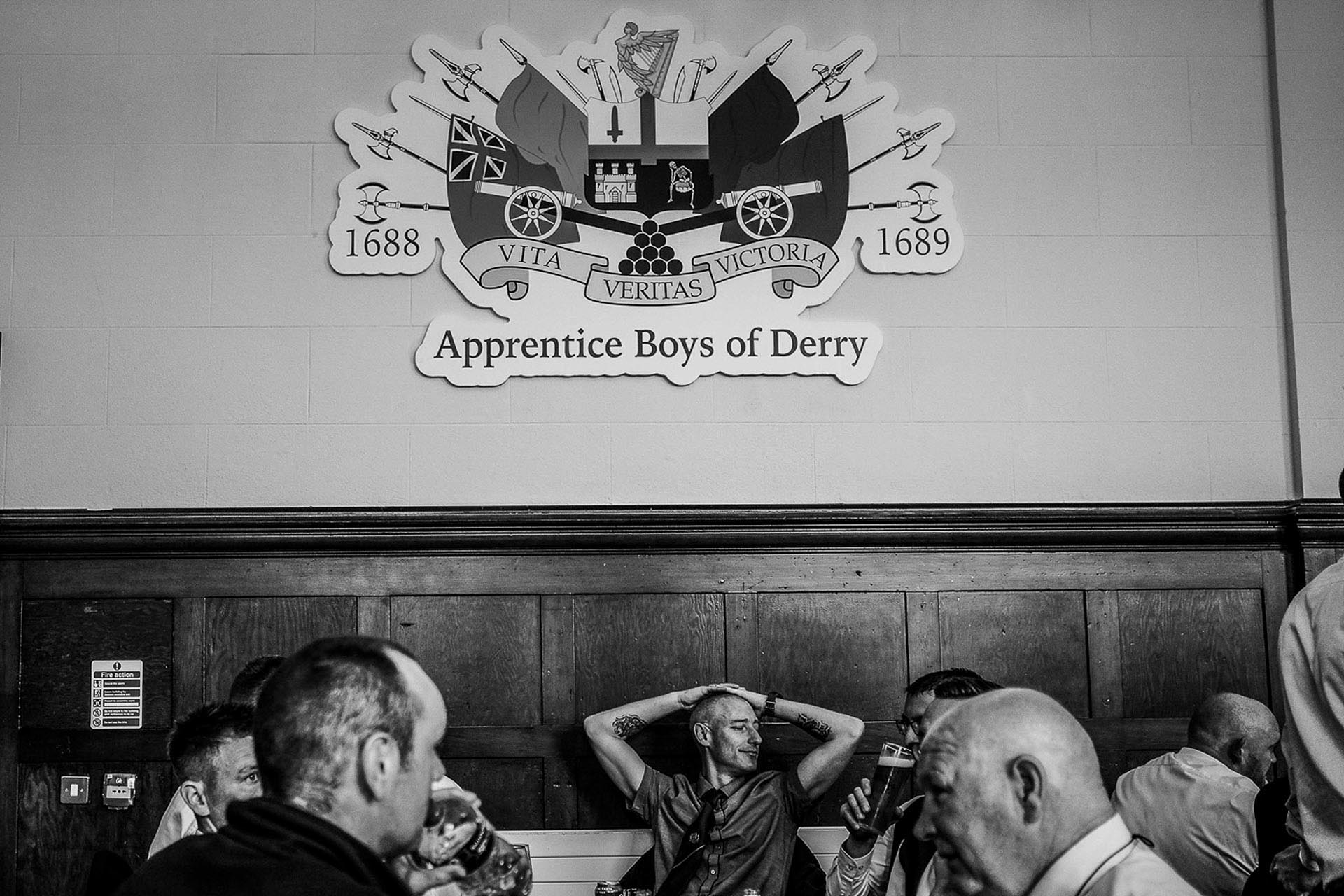
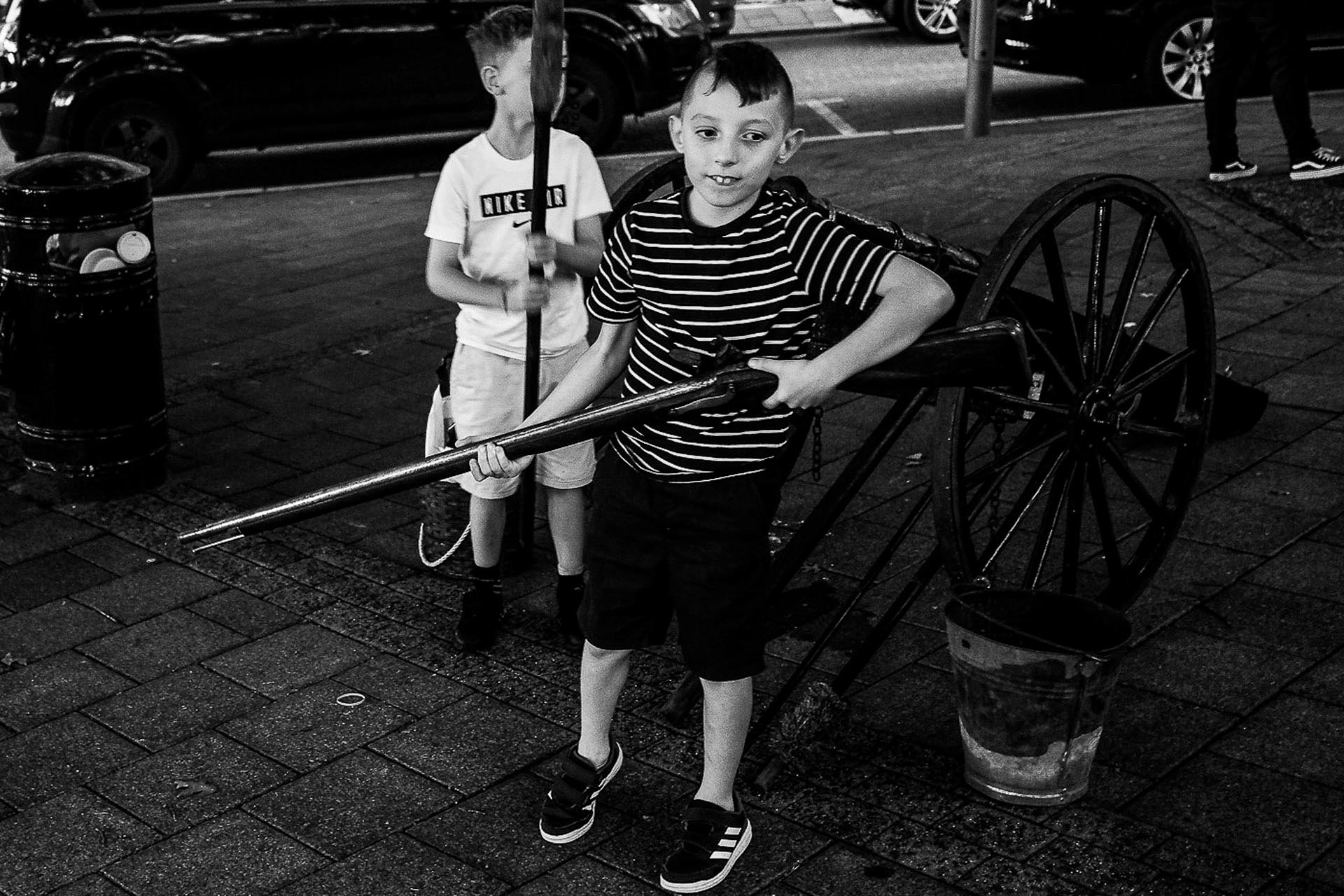
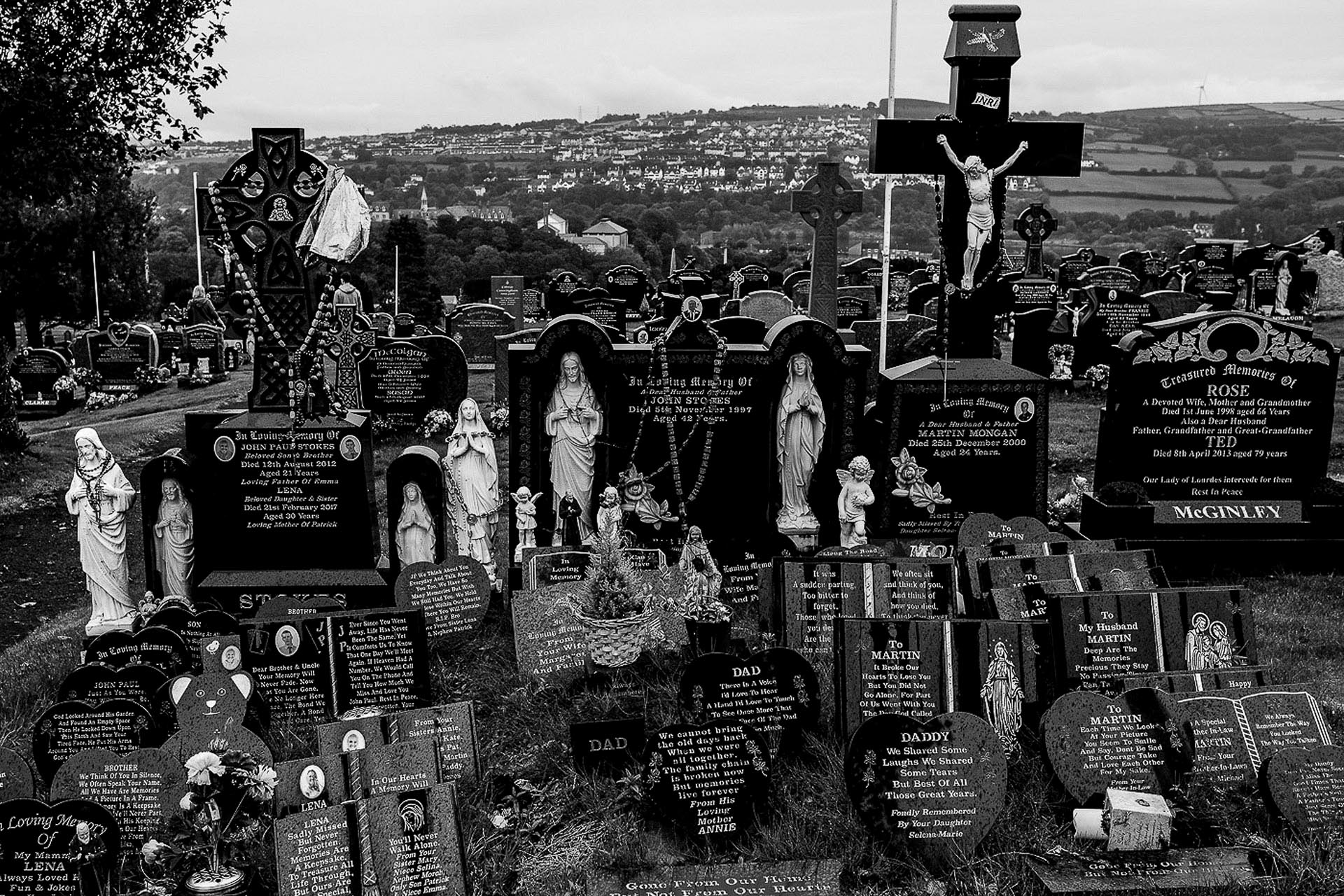
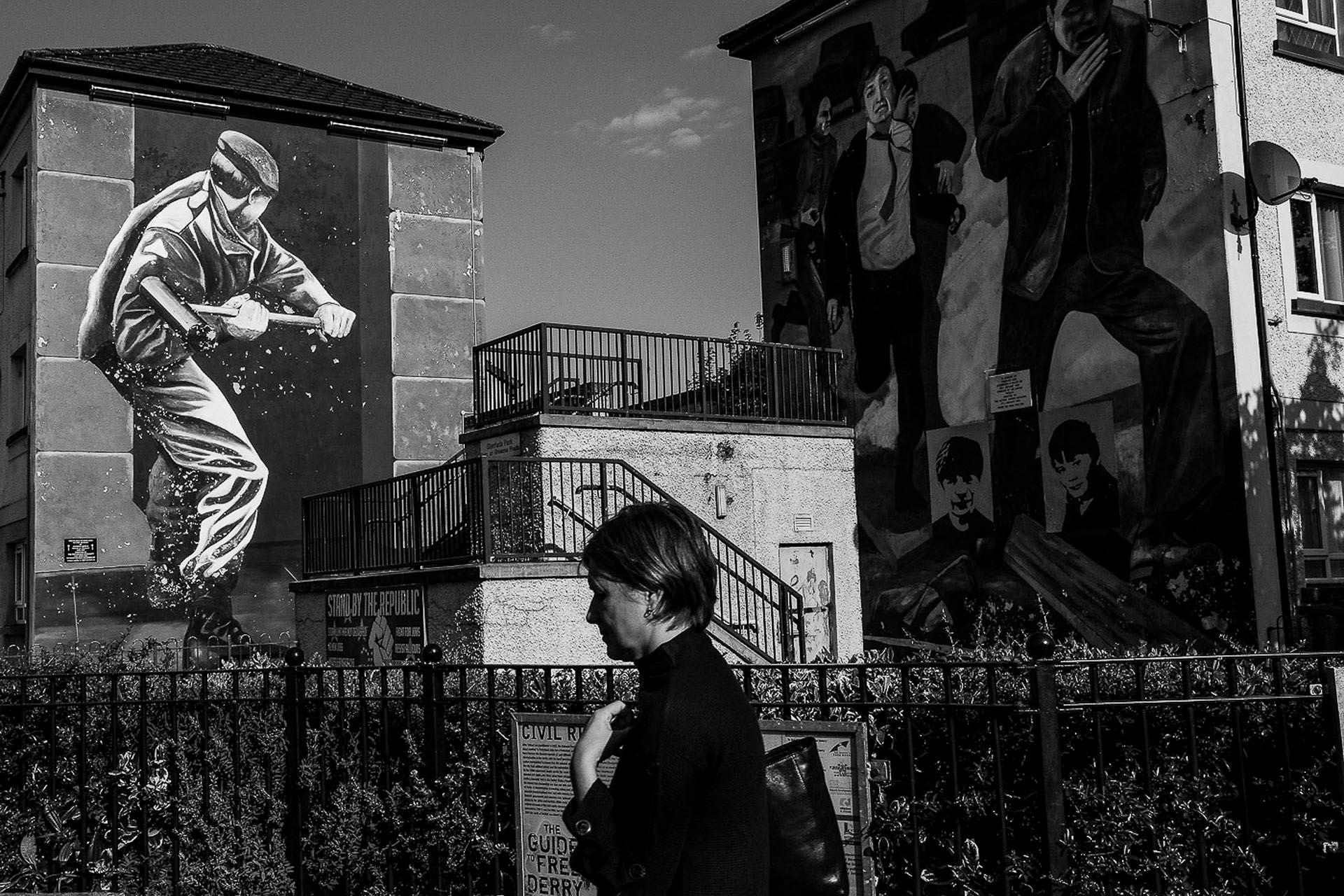
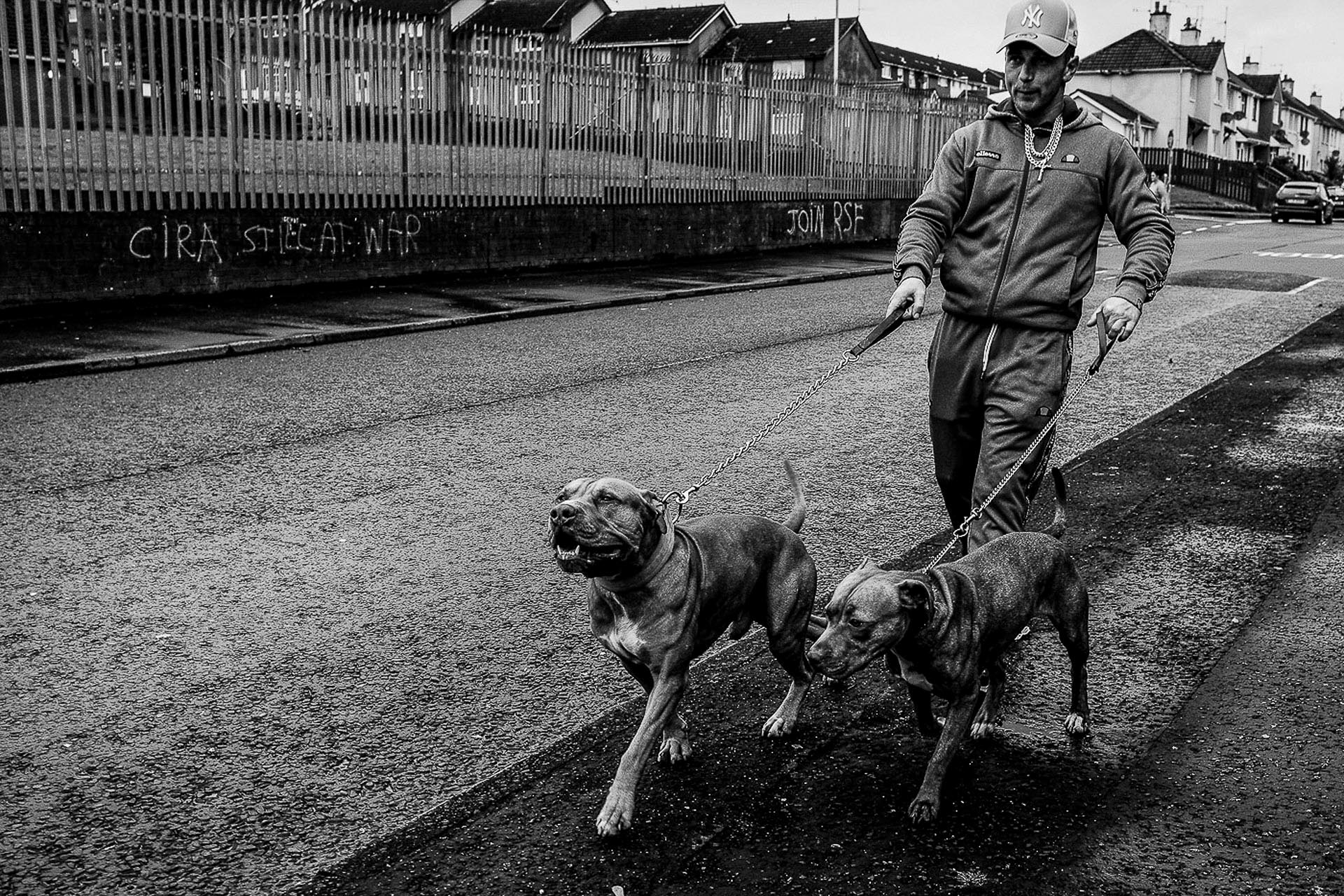
Londonderry or “Derry,” as the Catholic nationalists have called it, is the most populous area of Northern Ireland that could be affected by Brexit if a border is implemented.
The anxiety expressed by many in this region, is that a Brexit border may threaten the Peace Agreement of 1998; the treaty that brought an end to the violence between Protestant Unionists and Catholic Nationalists.
The Backstop, now defunct, was the UK’s solution to creating a border without the appearance of a common border between nations.
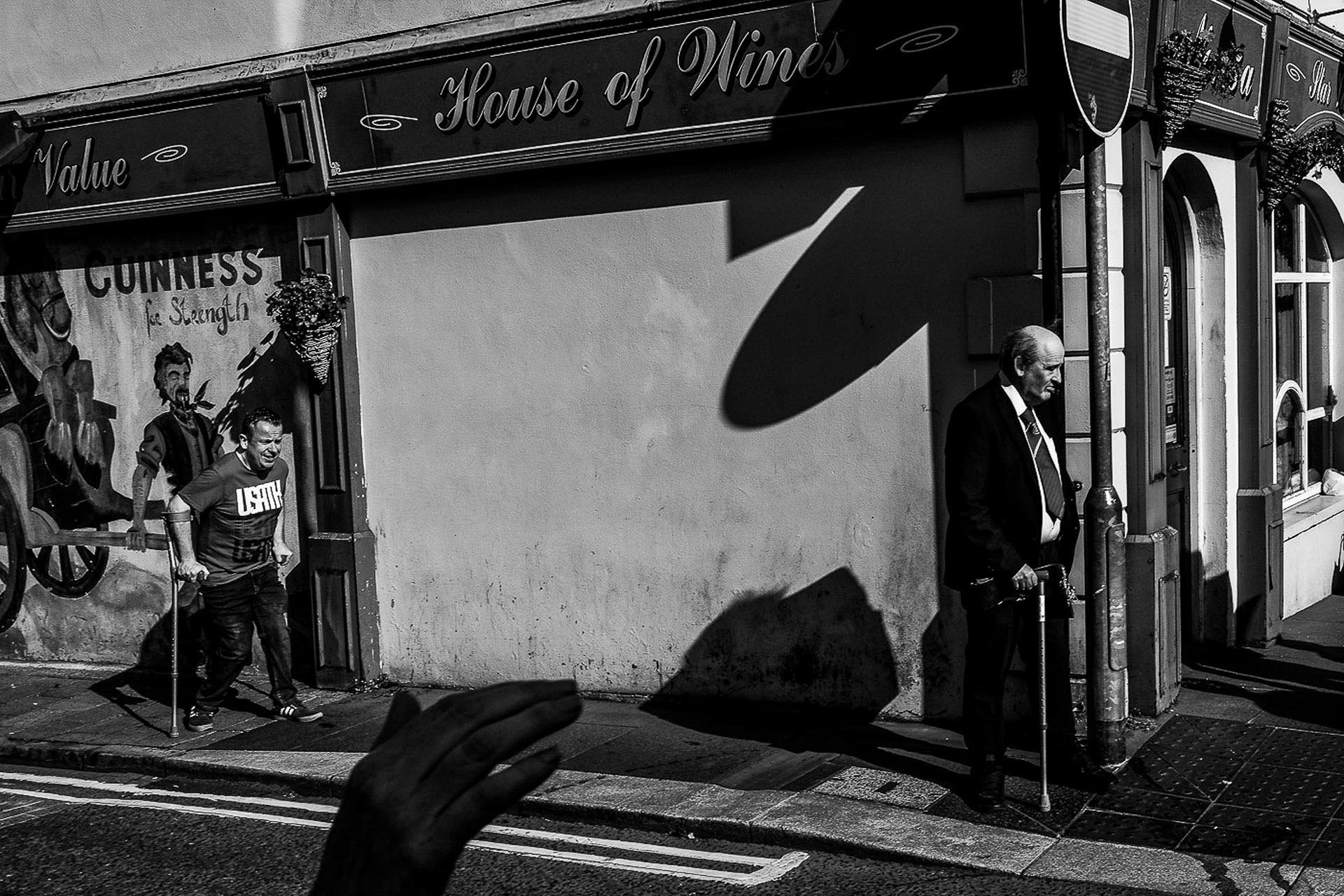
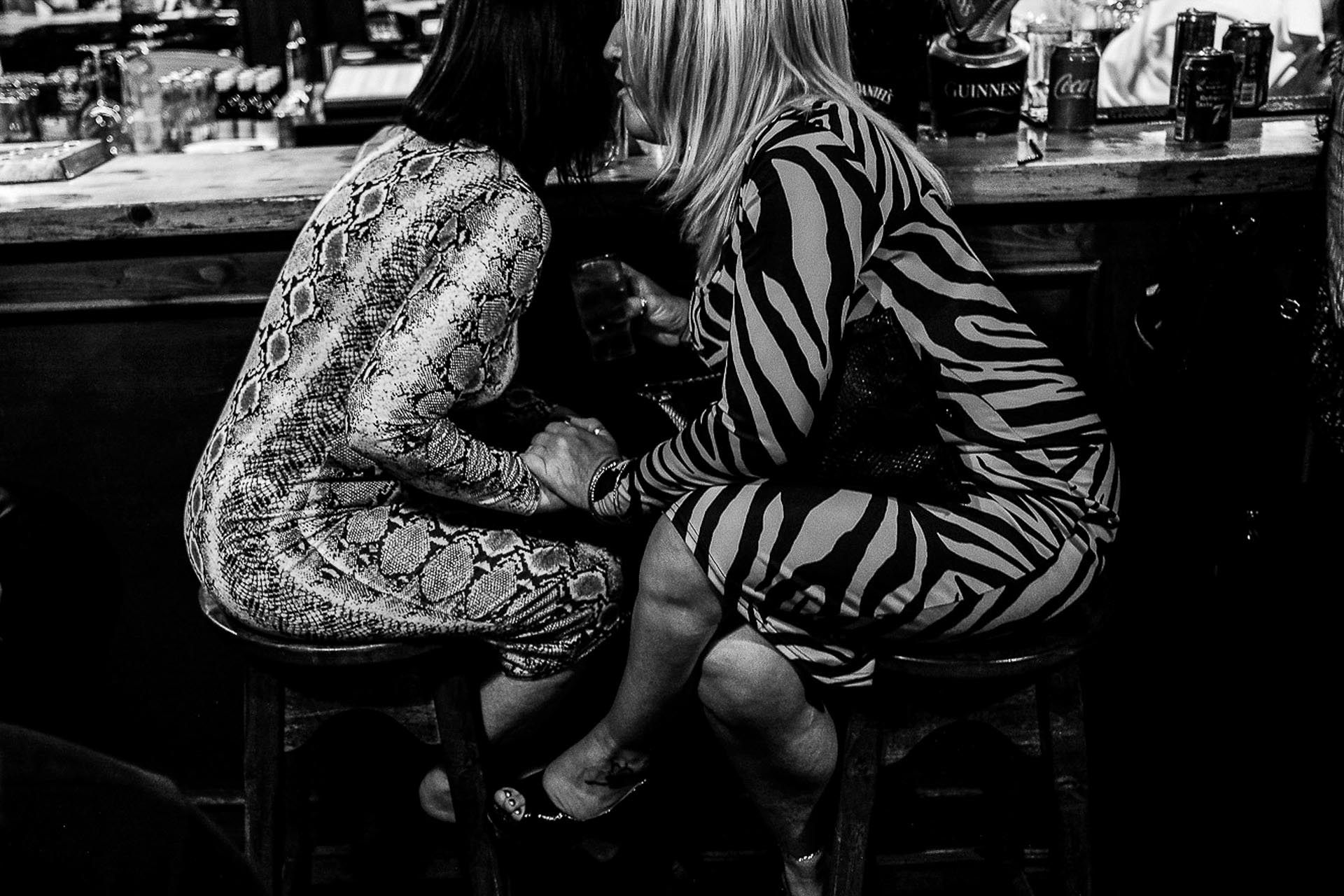
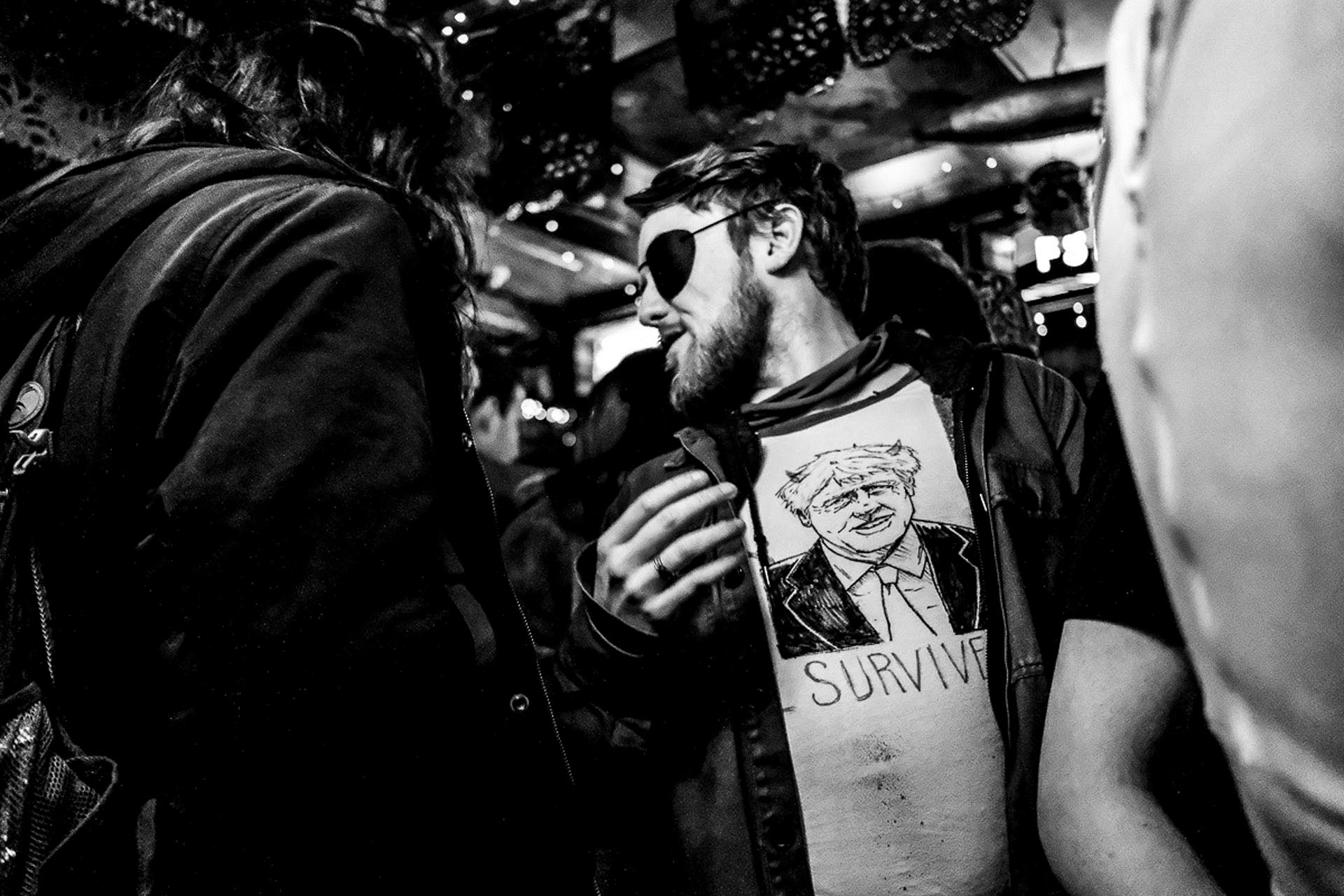
Recently, a nationalists aligned man at a pub expressed anger at the idea that he would have to drive around with the letters “GB” on his license plate.
So it’s entirely possible that this fear could lead to anger, and eventually violence, over the smallest of inconveniences.