Photojournalism Award
Angelos Tzortzinis graduated from the Leica Academy of Creative Photography in Athens and has been recognized with awards from Time Magazine (Wire Photographer of the Year), Picture of the Year International (POYi), Magnum Foundation, UNICEF Photo of the Year, Sony Award and Visa Pour l’Image, World Press Photo.
Angelos Tzortzinis is a staff photographer at Agence France-Presse (AFP) in Athens.
He has covered the Arab Spring in Egypt and Libya, the revolution in Ukraine, the Haiti earthquake, and has been documenting the lives of refugees and migrants in Greece, as well as the country’s economic crisis, for more than a decade.
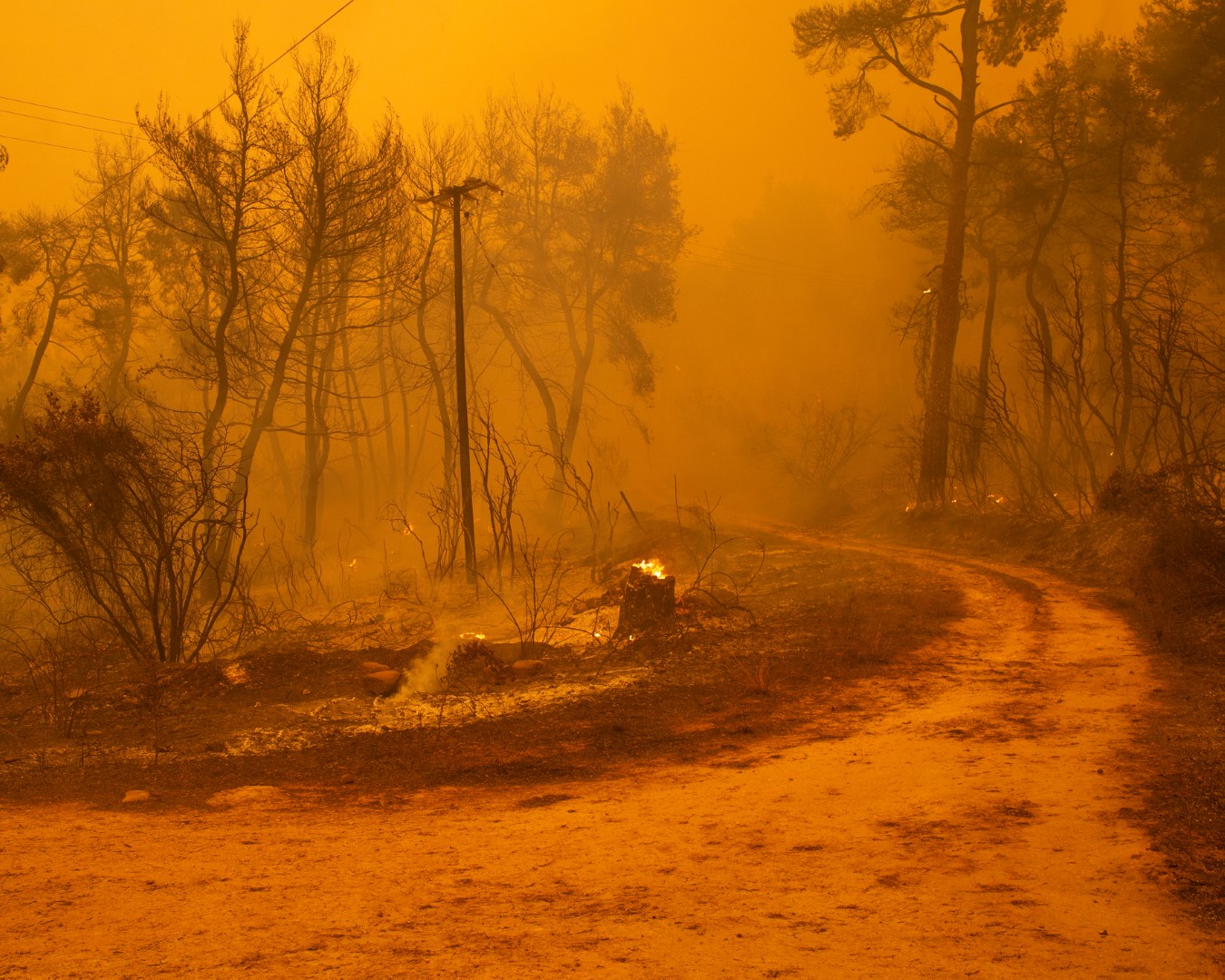
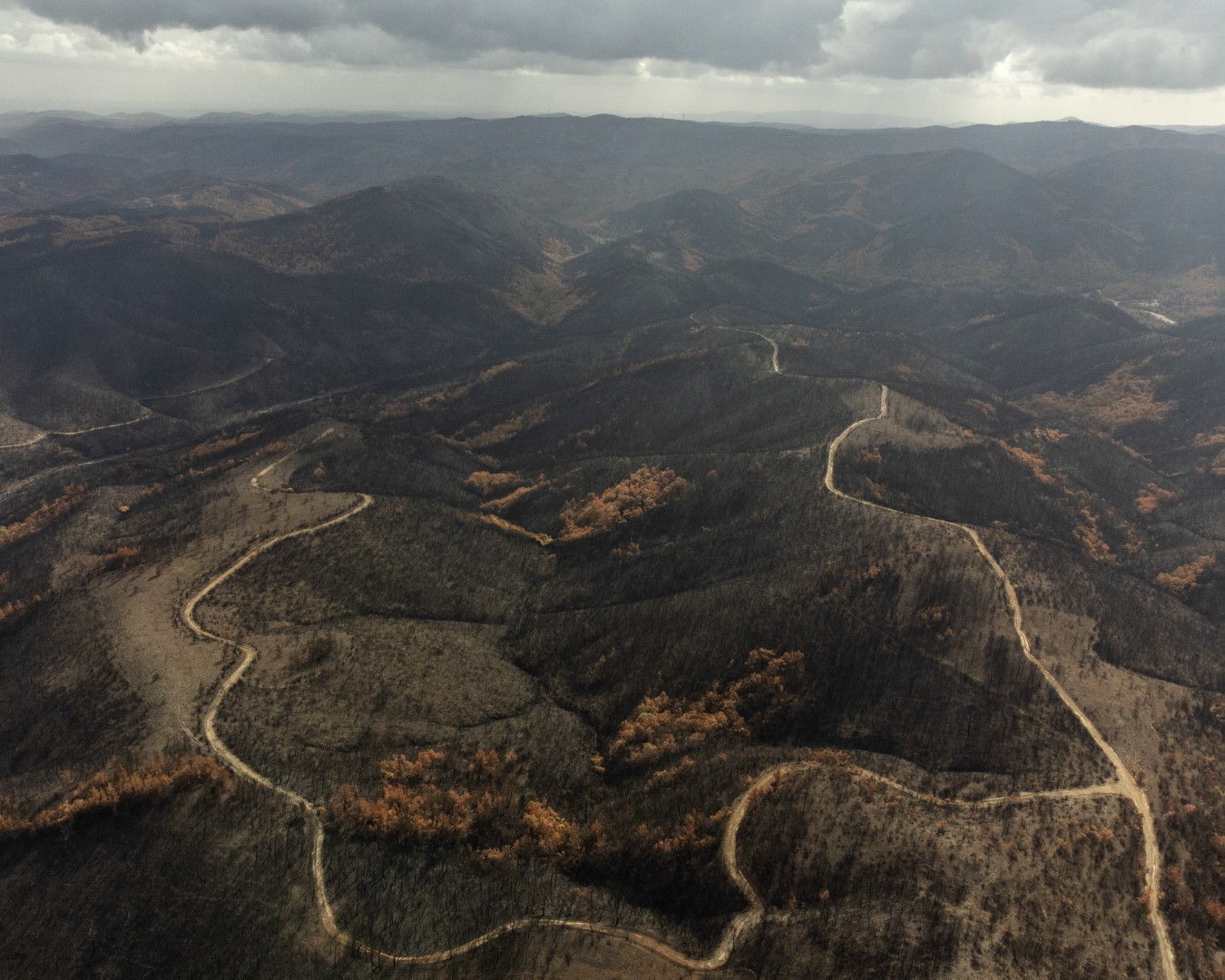
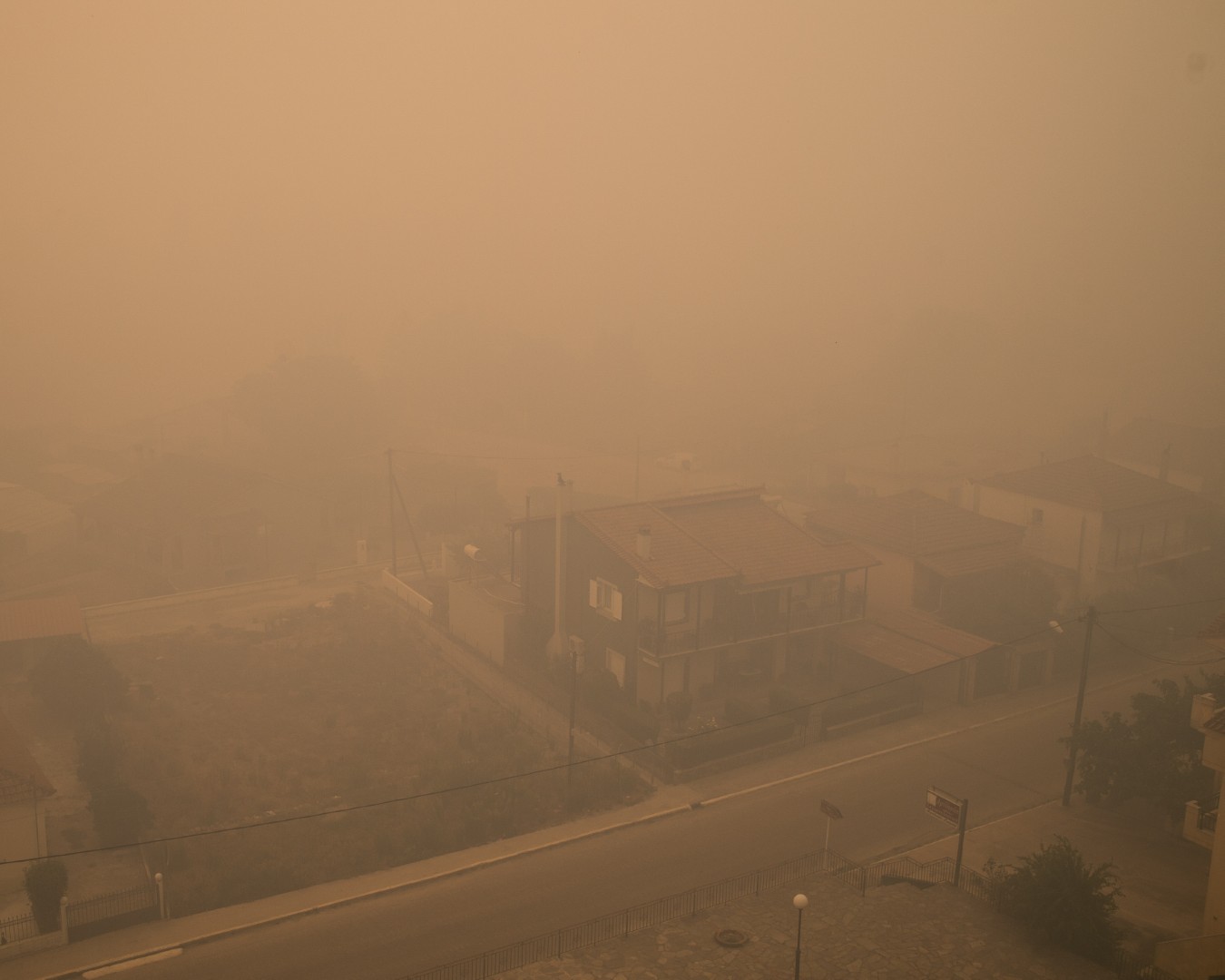
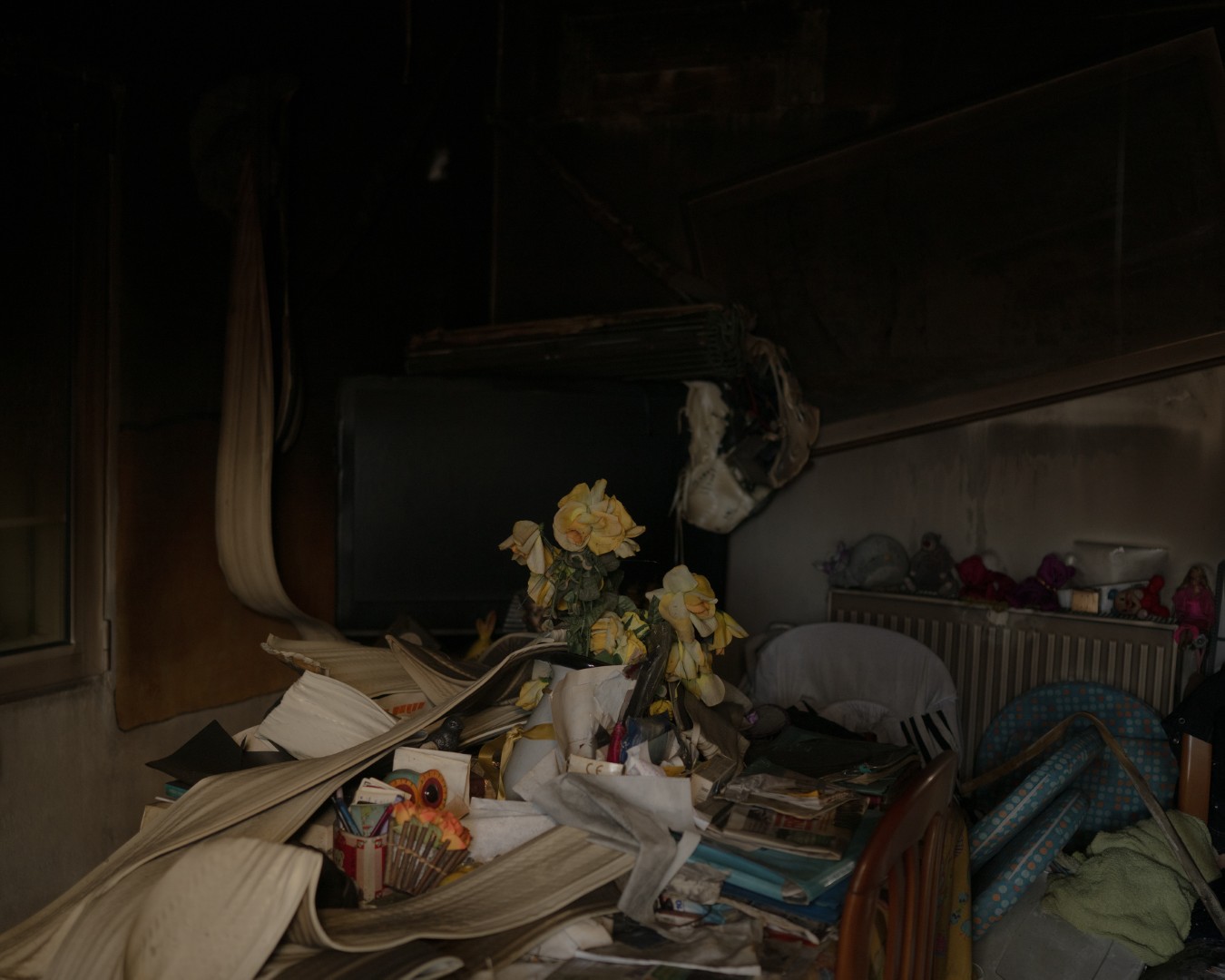
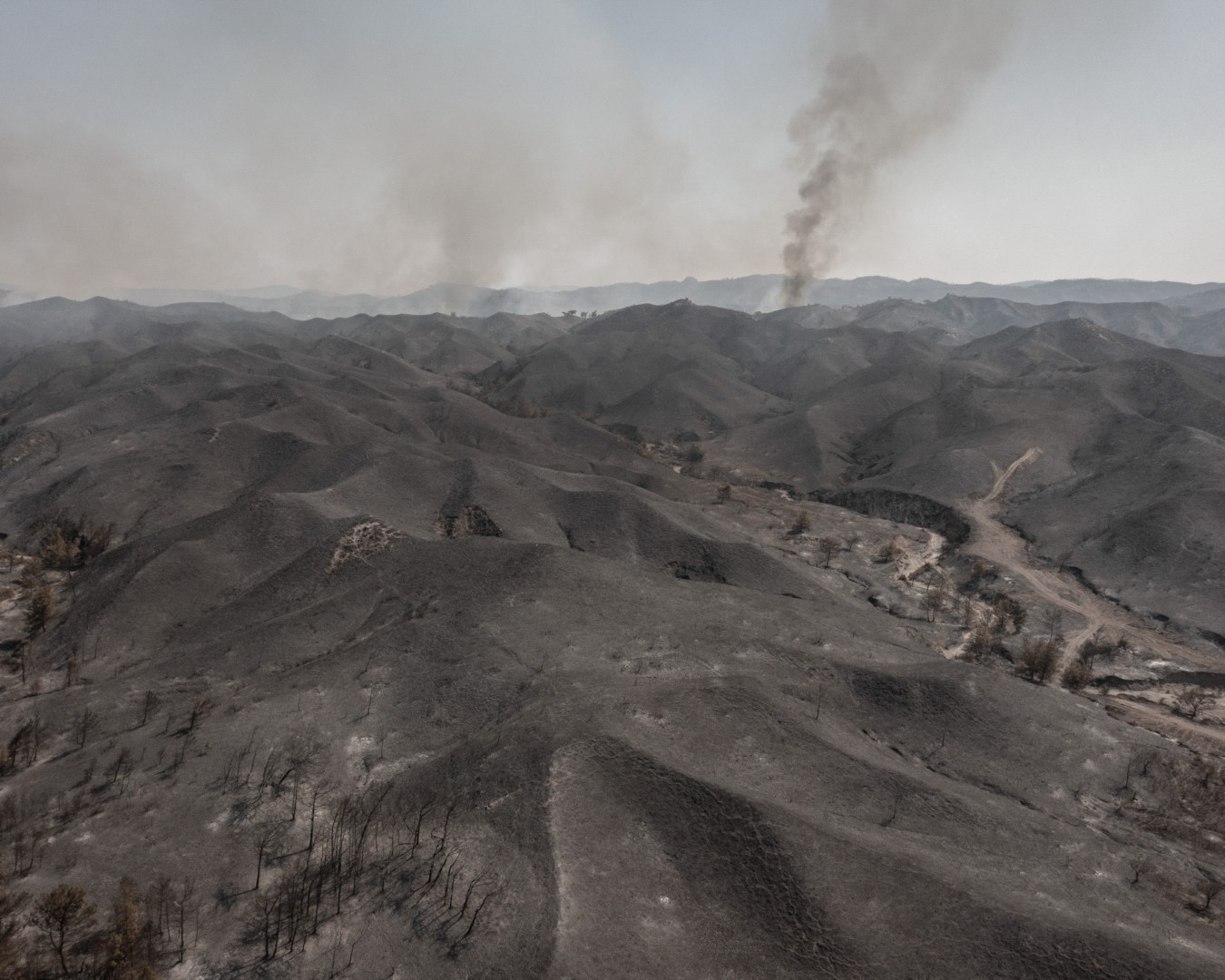
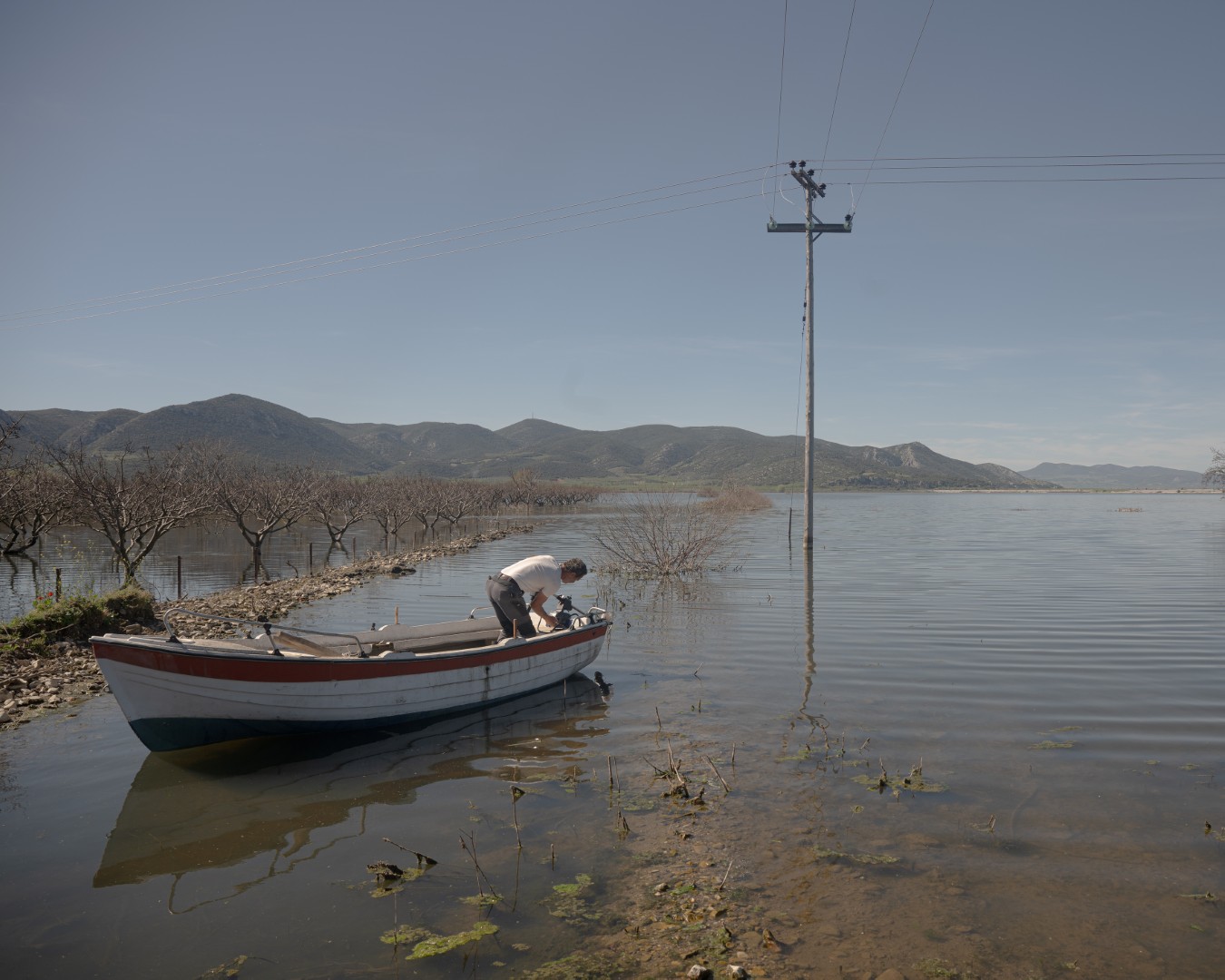
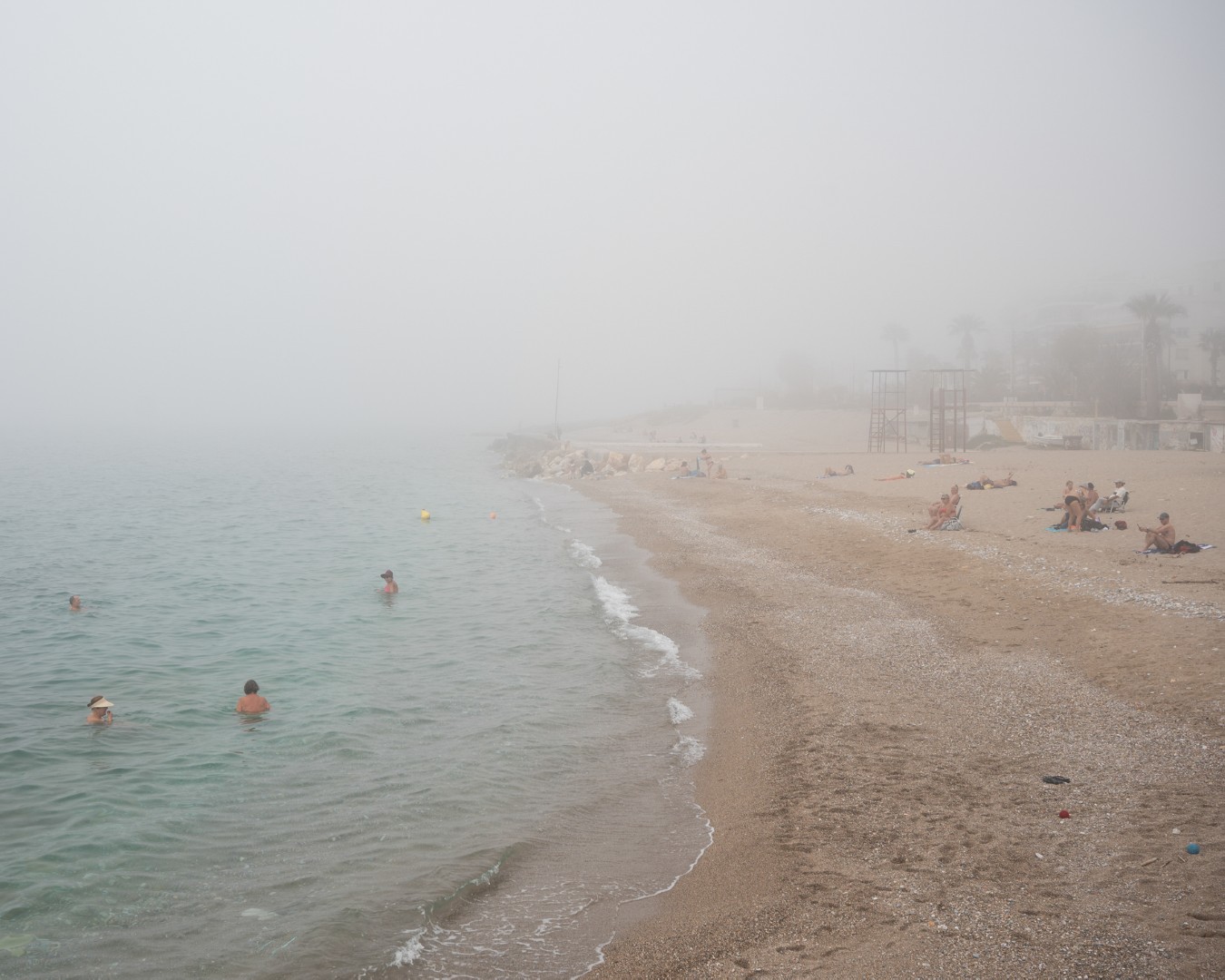
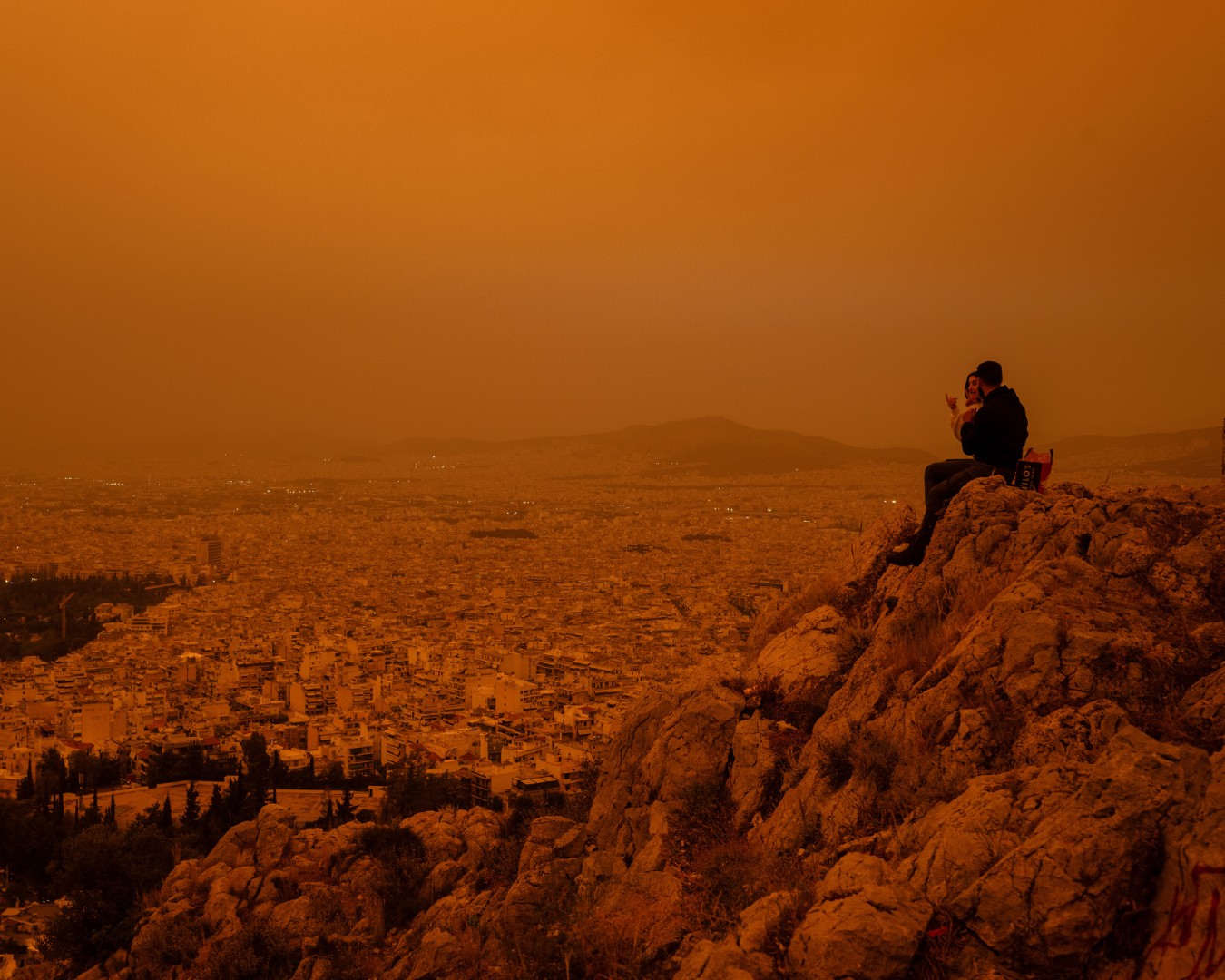
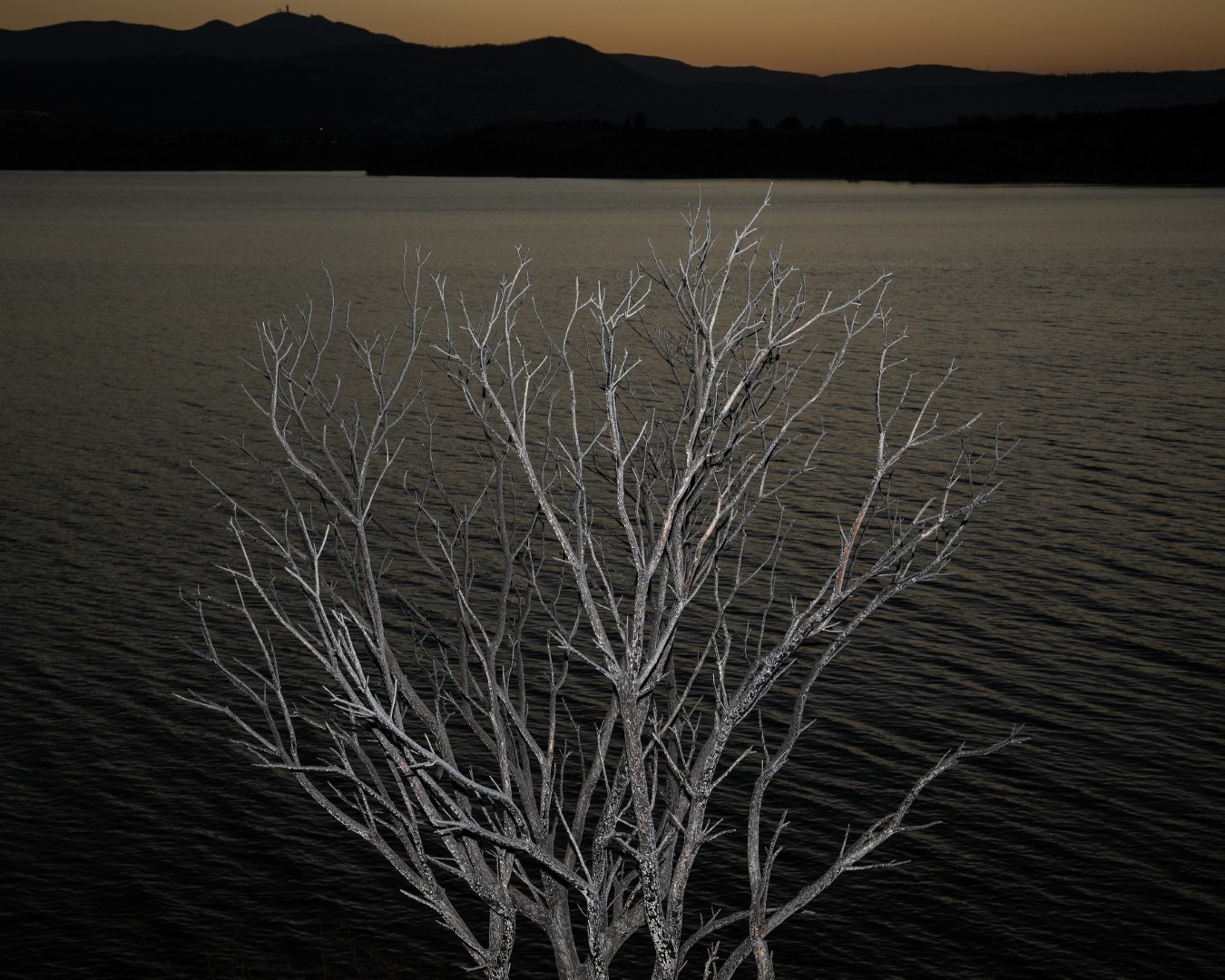
Since 2018, Greece—one of the European countries most affected by the climate crisis—has become a focal point of its consequences. Its landscapes are constantly transforming under the weight of rising temperatures, wildfires, and floods. This photographic project is my personal attempt to document this transition: not merely as a collection of images, but as a testimony of a country changing before our eyes.
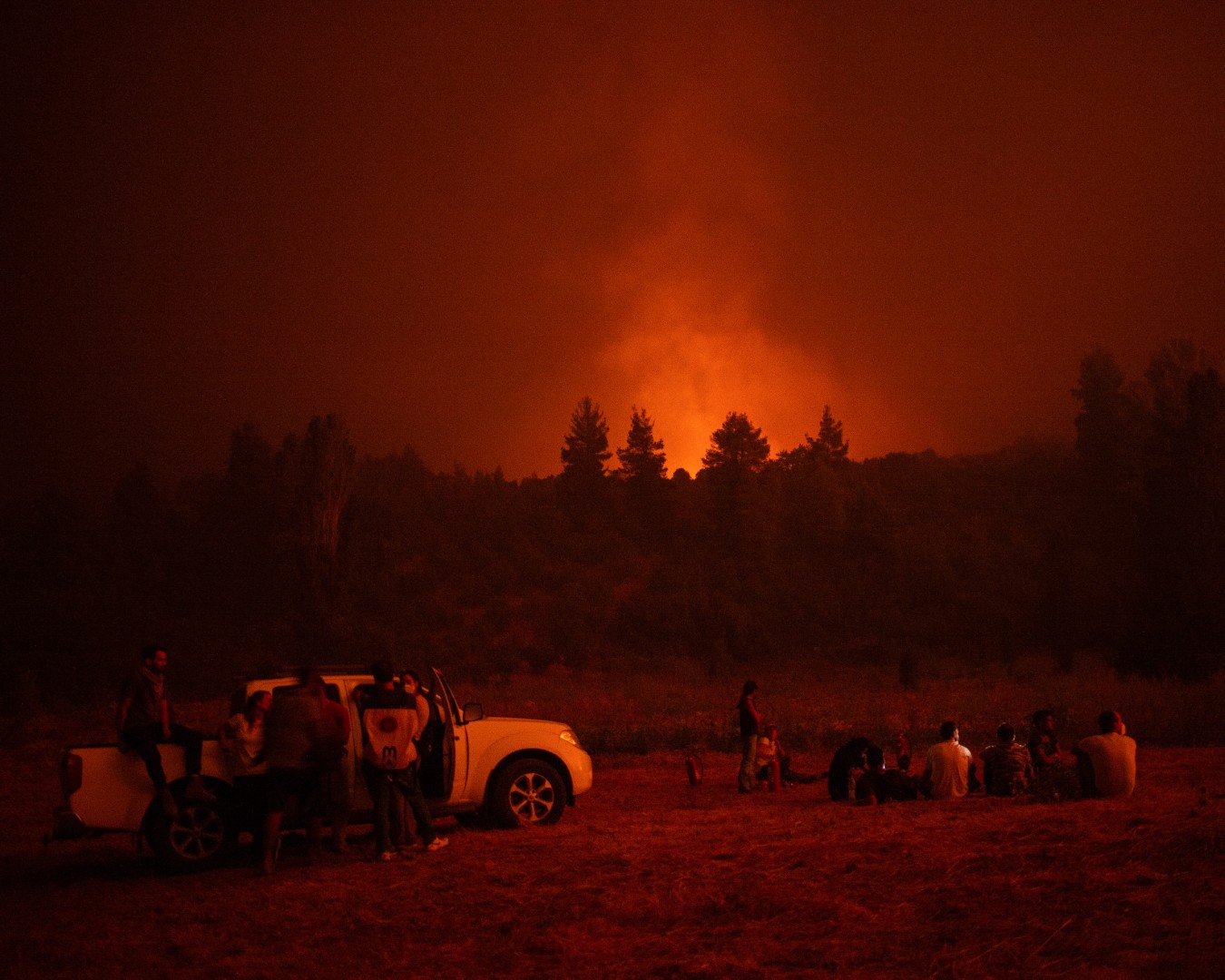
In the summer of 2023, Greece found itself at the center of some of the most extreme weather events in Europe. The largest wildfire in the history of the European Union burned for weeks in Evros, destroying an area larger than New York and leaving behind incalculable ecological loss.
Shortly afterward, the Mediterranean cyclone storm Daniel caused one of the most devastating floods the region has ever experienced.
These events form the visual canvas of my project. They are not only moments of destruction, but also reveal the fragile balance between humans and the environment. Extreme phenomena that we once considered exceptions have now become part of the Greek reality.
Through this work, I aim to highlight how climate change is imprinted on the landscapes that surround us and to remind us that the need for immediate action is no longer theoretical. It is urgent—for the protection of our land and of the generations to come.
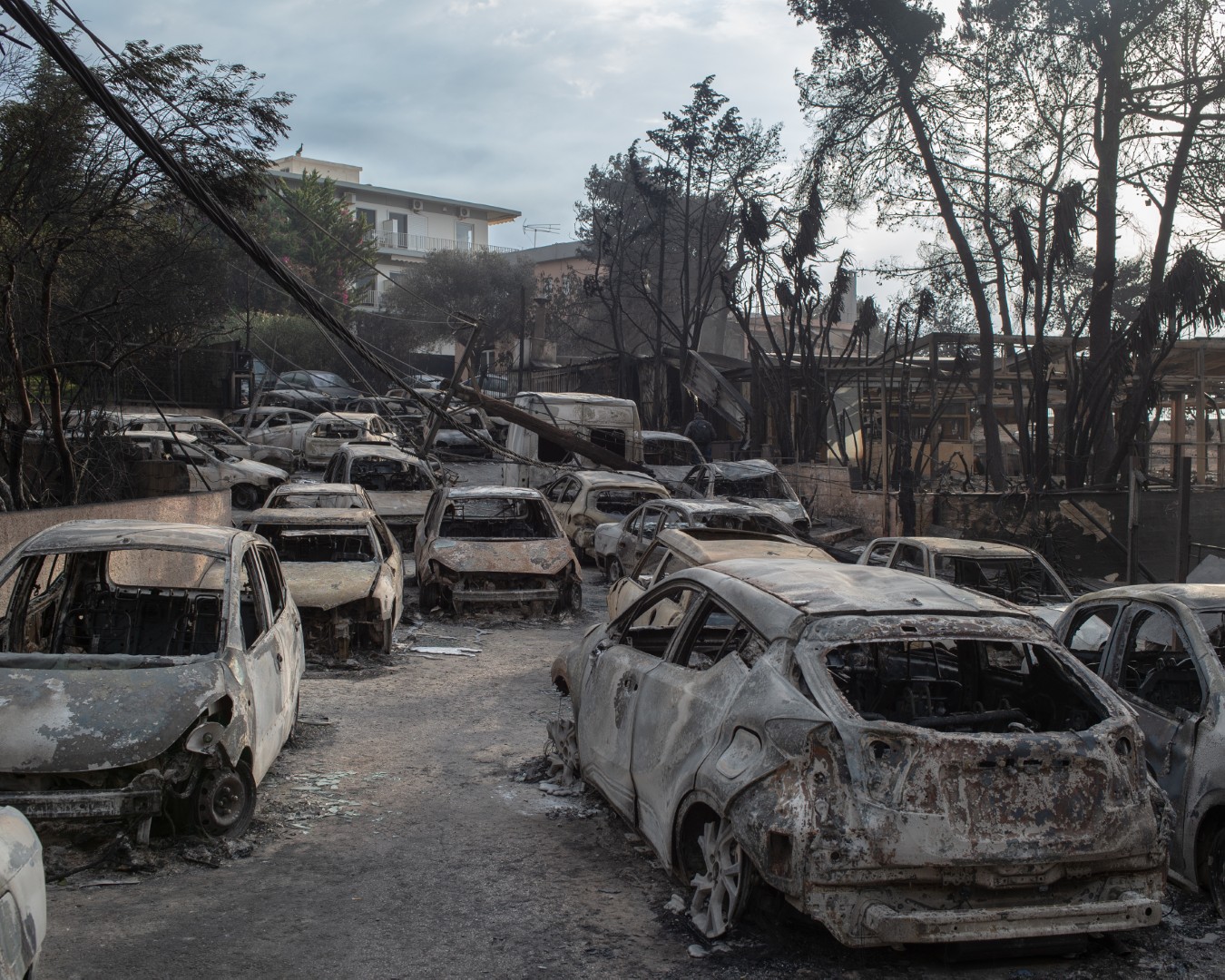
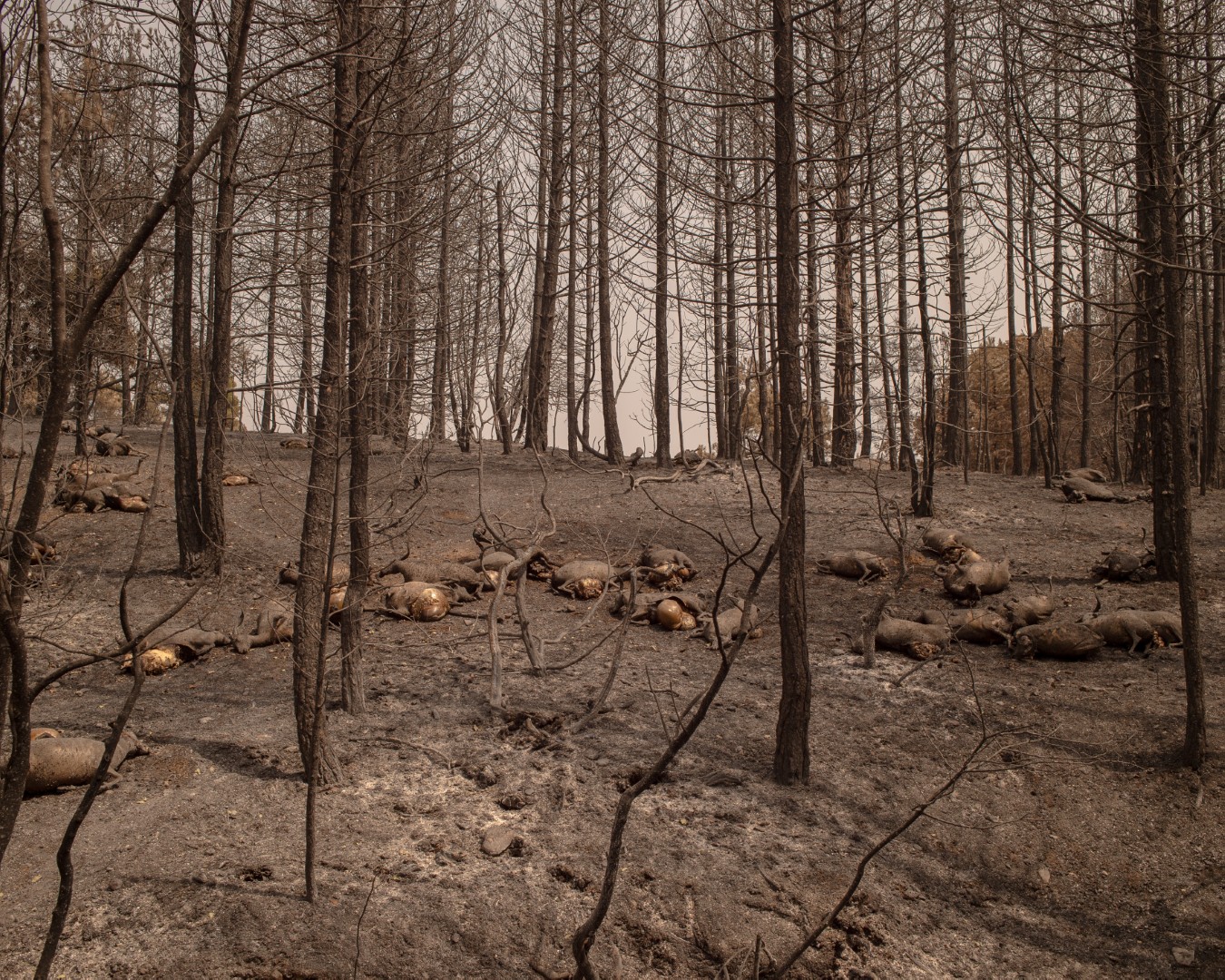
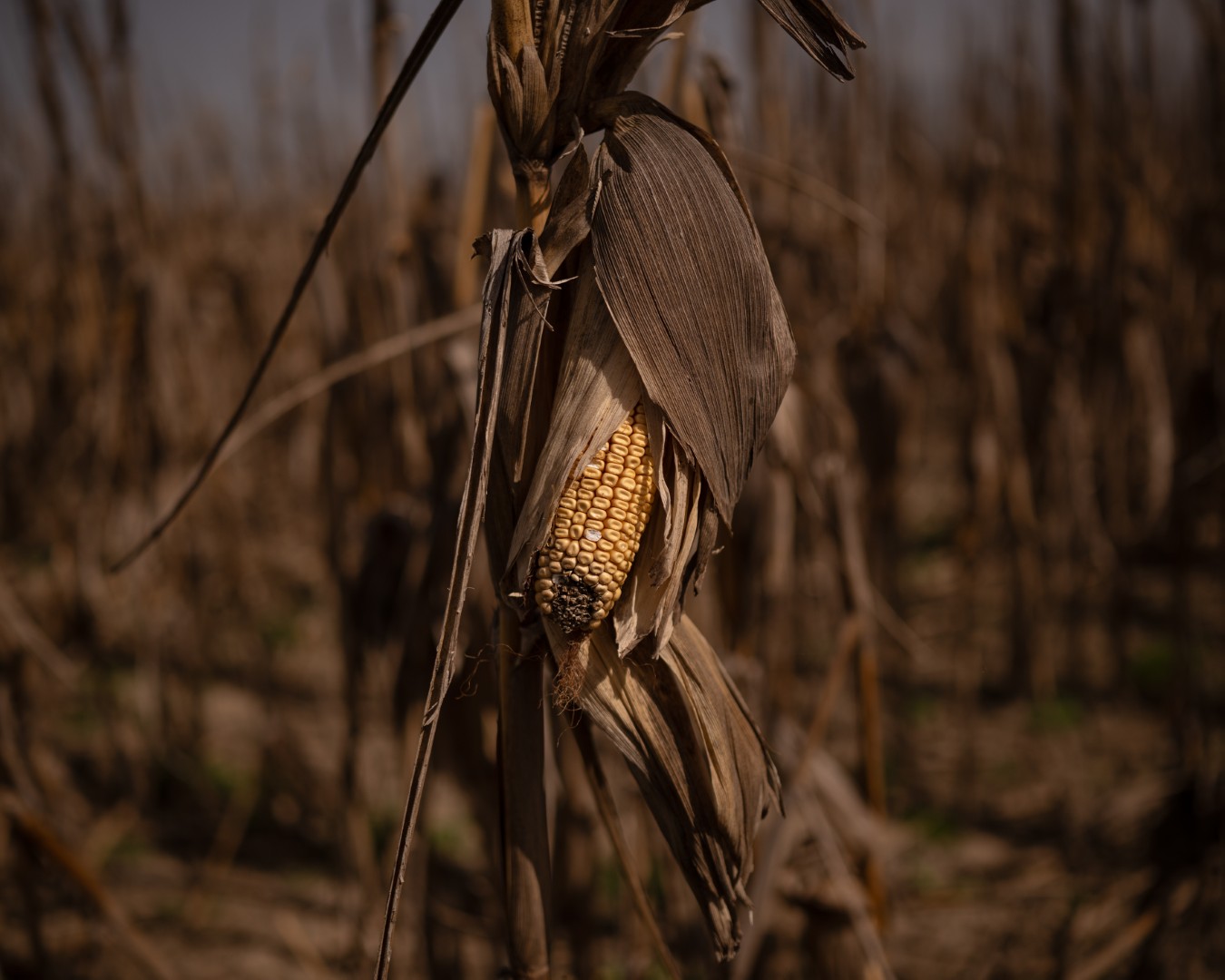
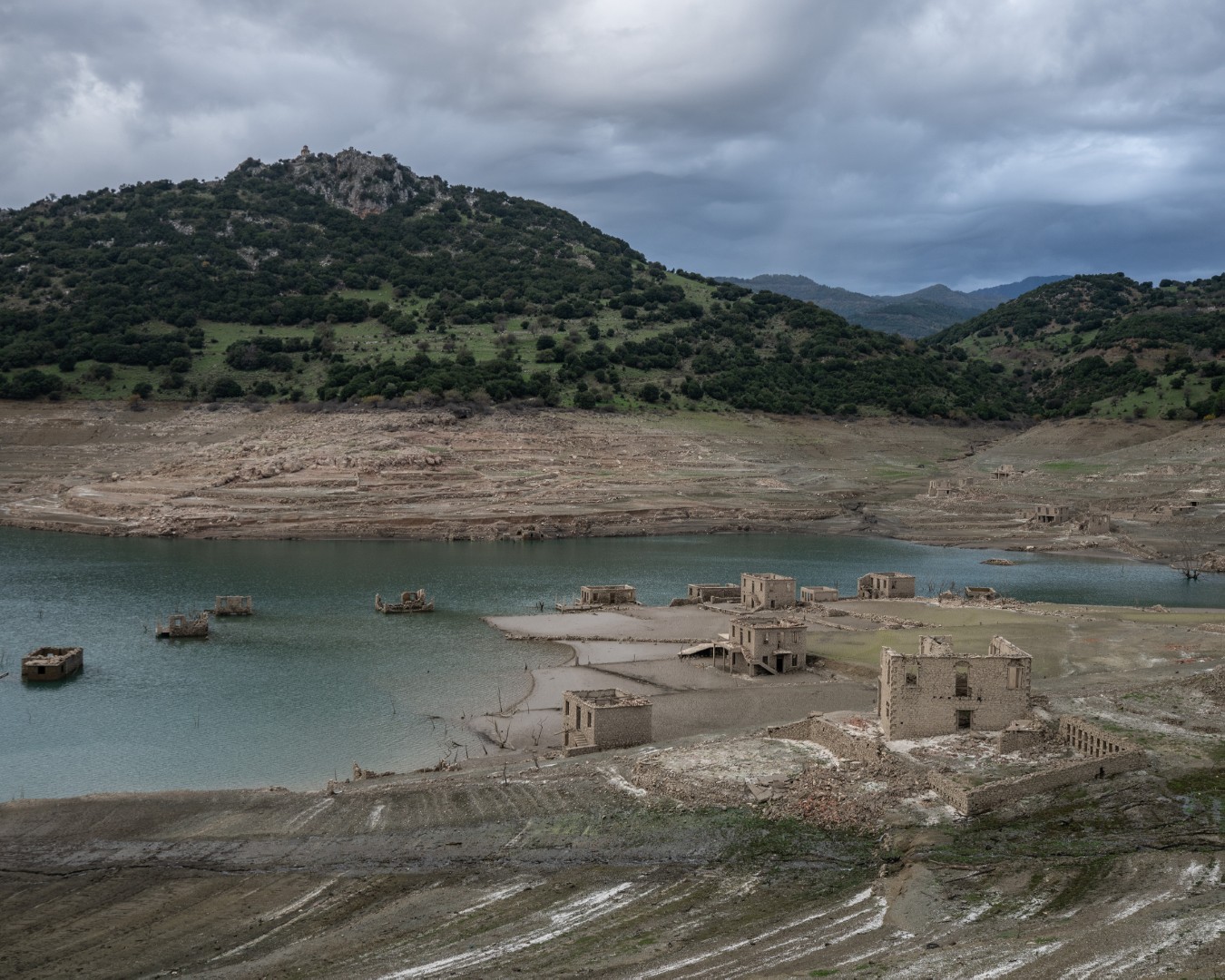
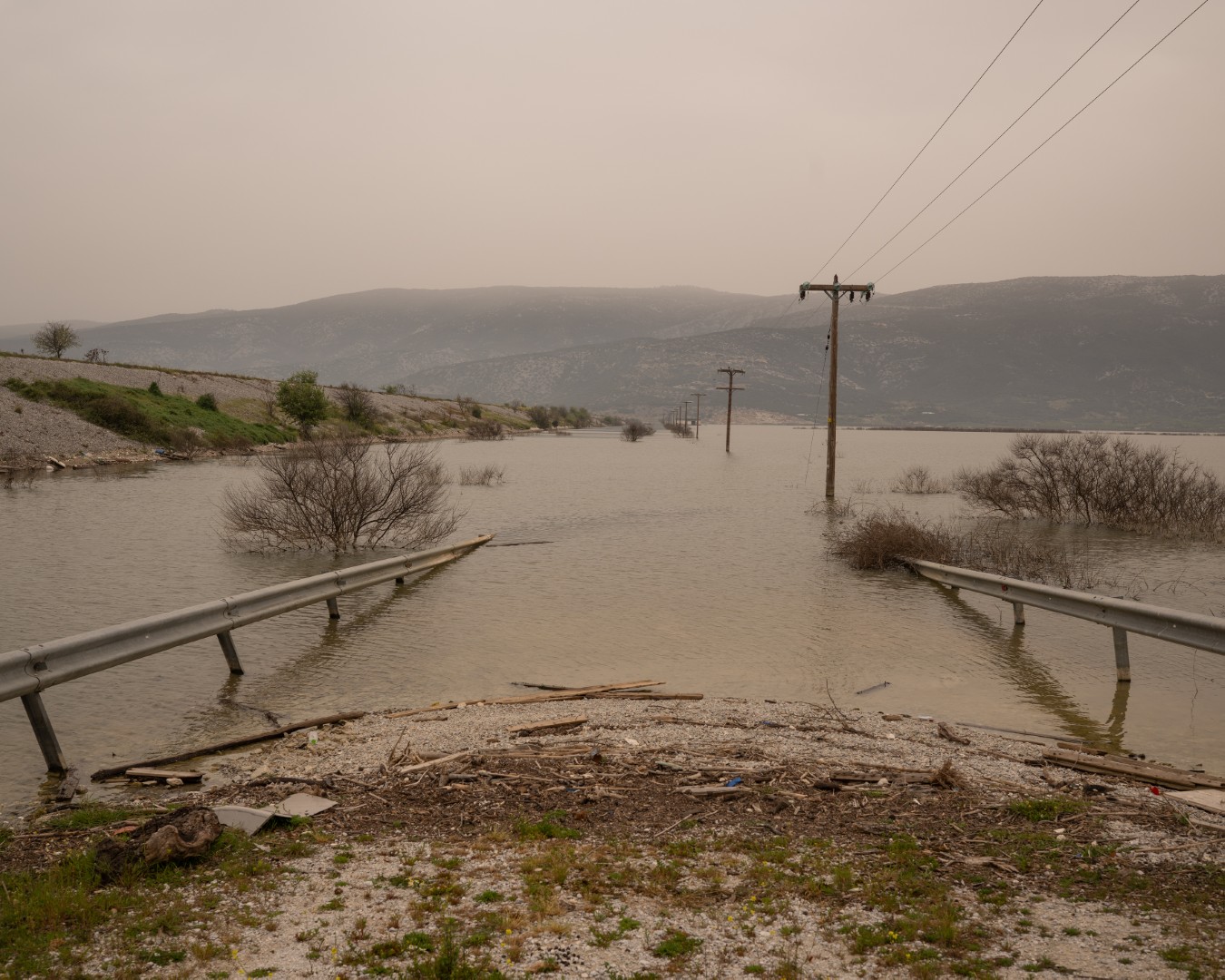
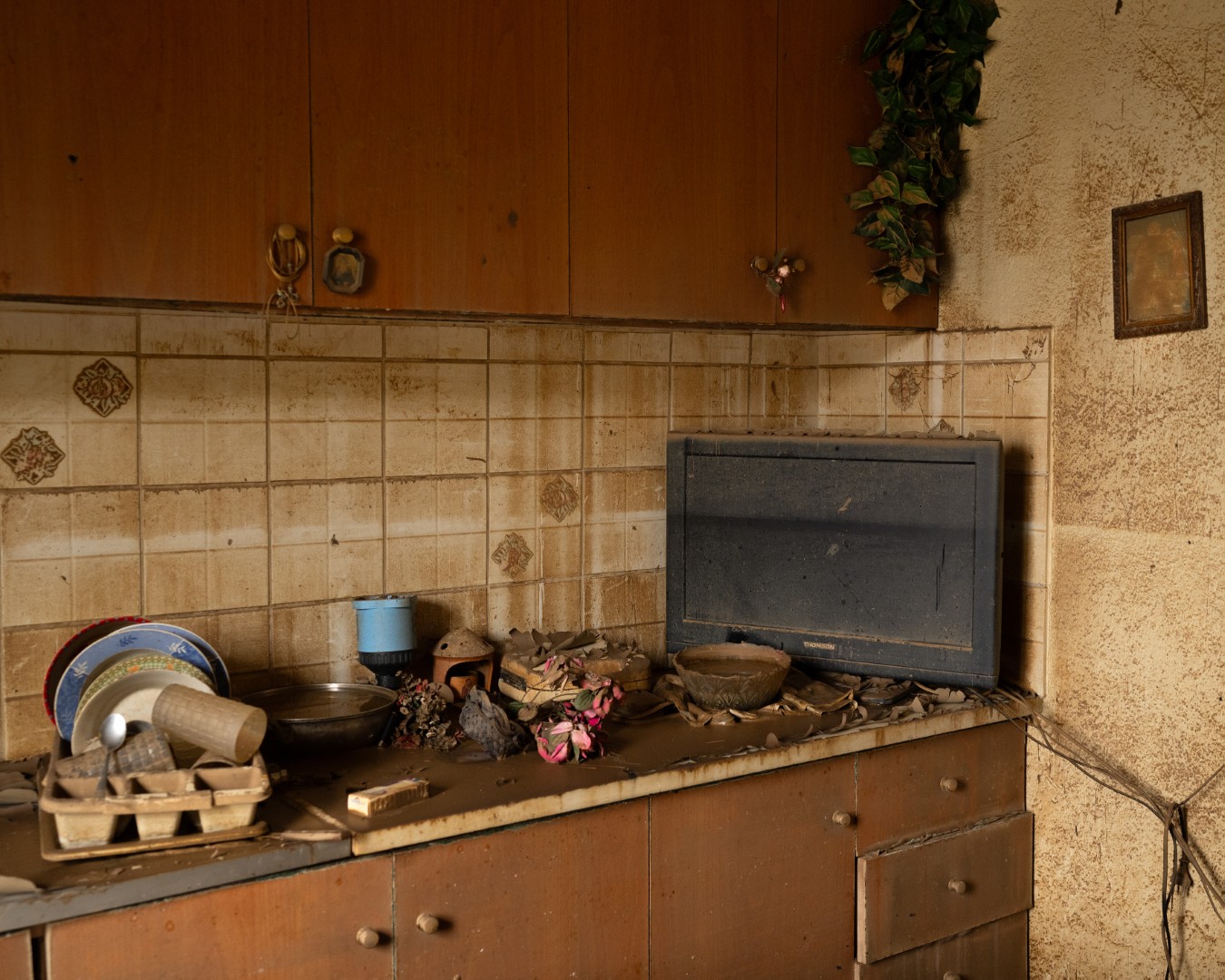
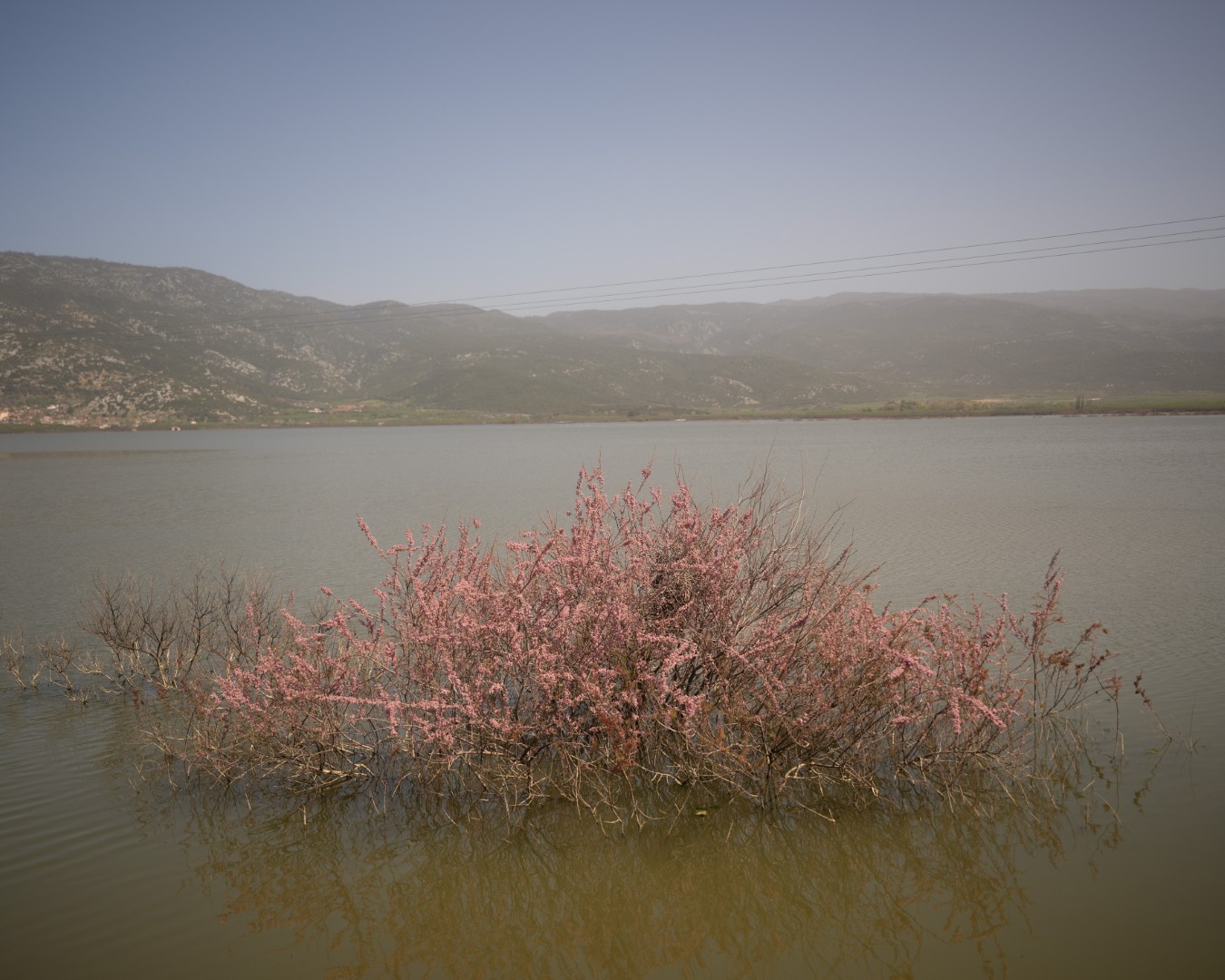
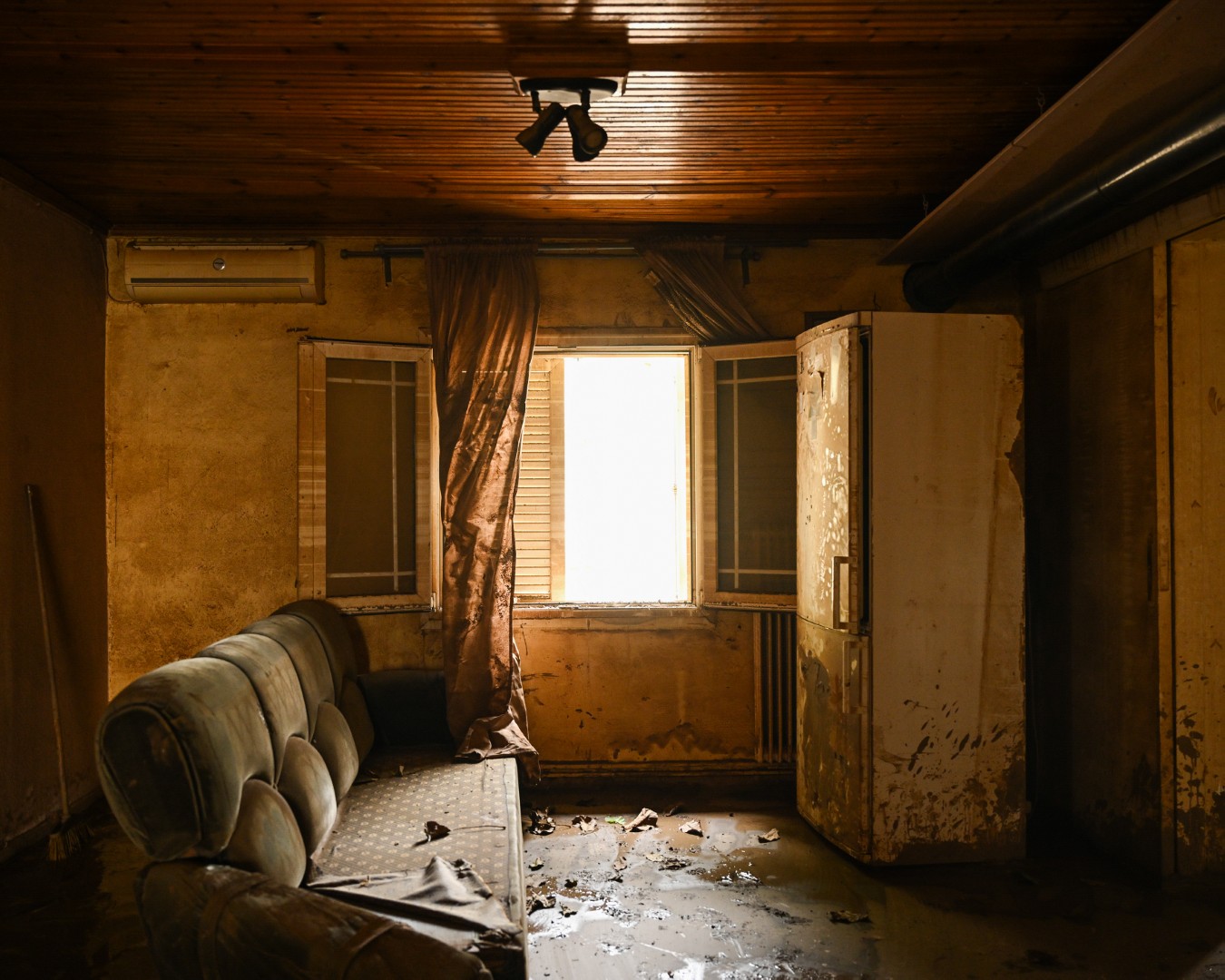
Finalist 2025
Born in Athens, Greece, and raised in Italy, Eleni Albarosa began photographing at the age of fifteen, the same year she was first published by National Geographic Italy. Her work explores social realities marked by prejudice, misinformation, or harmful stereotypes, a focus shaped by both her longstanding photographic practice and her Bachelor’s studies in Anthropology, where she graduated with a 105/110 with a thesis on the internal economy of prisons.
Albarosa’s projects have taken her to diverse communities, including nomadic circus performers, Romani communities in Italy and Greece, Irish Travellers in the UK, and a theater company of former inmates in Mexico City. She has also collaborated on international projects and been published in outlets such as Collater.al Magazine (2025), National Geographic USA (2024), Billboard (2024), Huck Magazine (2023), Overseas Magazine (2021), and National Geographic Italy (2012). Her commercial and collaborative work includes projects with the Antetokounbros Academy, Nike (2021), and Eleusis City of Culture 2023.
In 2024, she launched La Ternura es Radical, a project documenting former prisoners working as actors in Mexico City, in collaboration with anthropologist Jorge Varela Perera. This project earned her the Canon Student Development Program award at Perpignan 2024 and a selection for the
Hamburg Portfolio Review. In 2025, she was named among ARTPIL’s 30 Under 30 Women Photographers and joined the jury of the SPLITFORMAT Photo Festival. In the same year her work has been exhibited internationally in Belgium (Brussels), France (Arles), and Italy (Bologna, Treviso, Trieste, Torino).
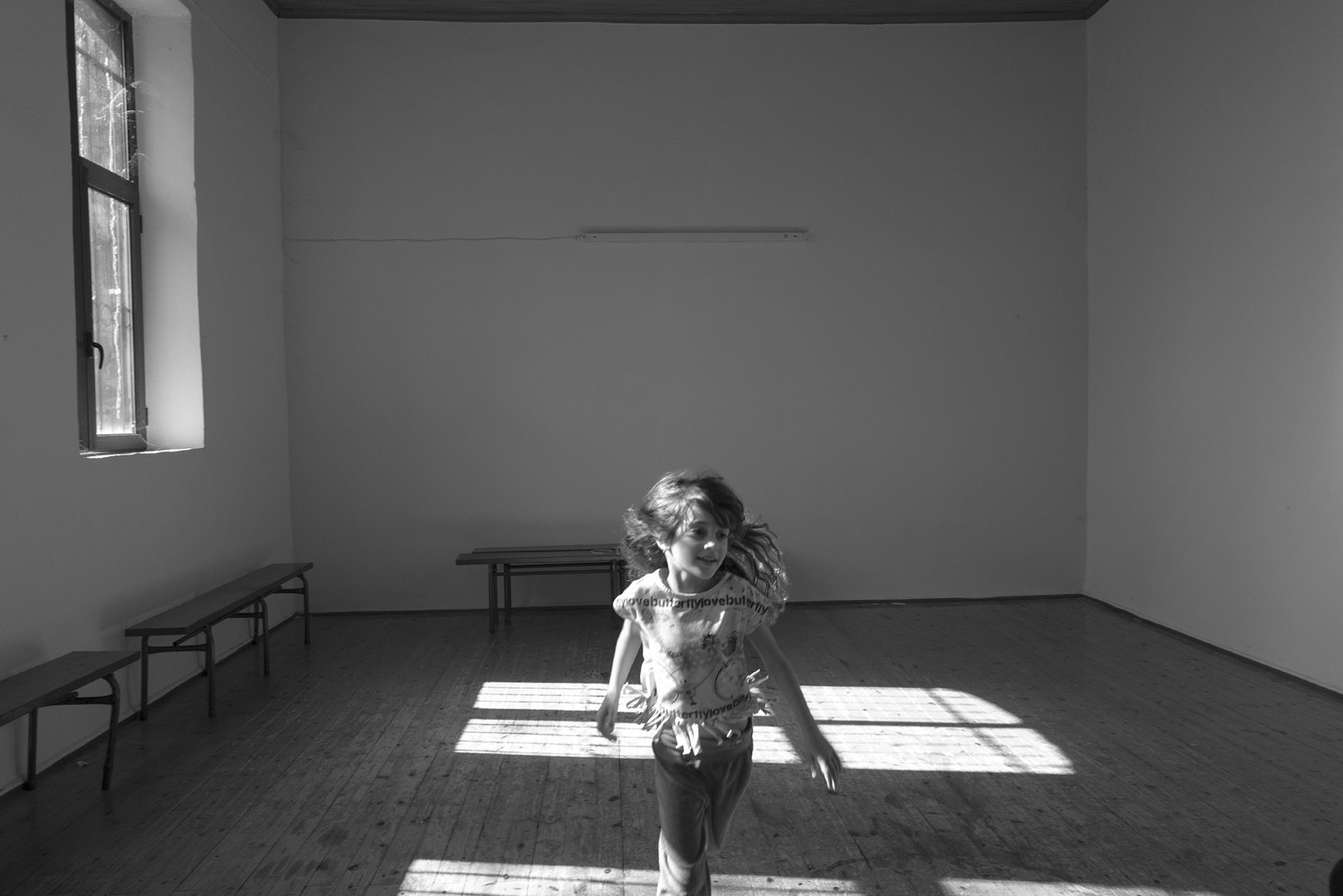
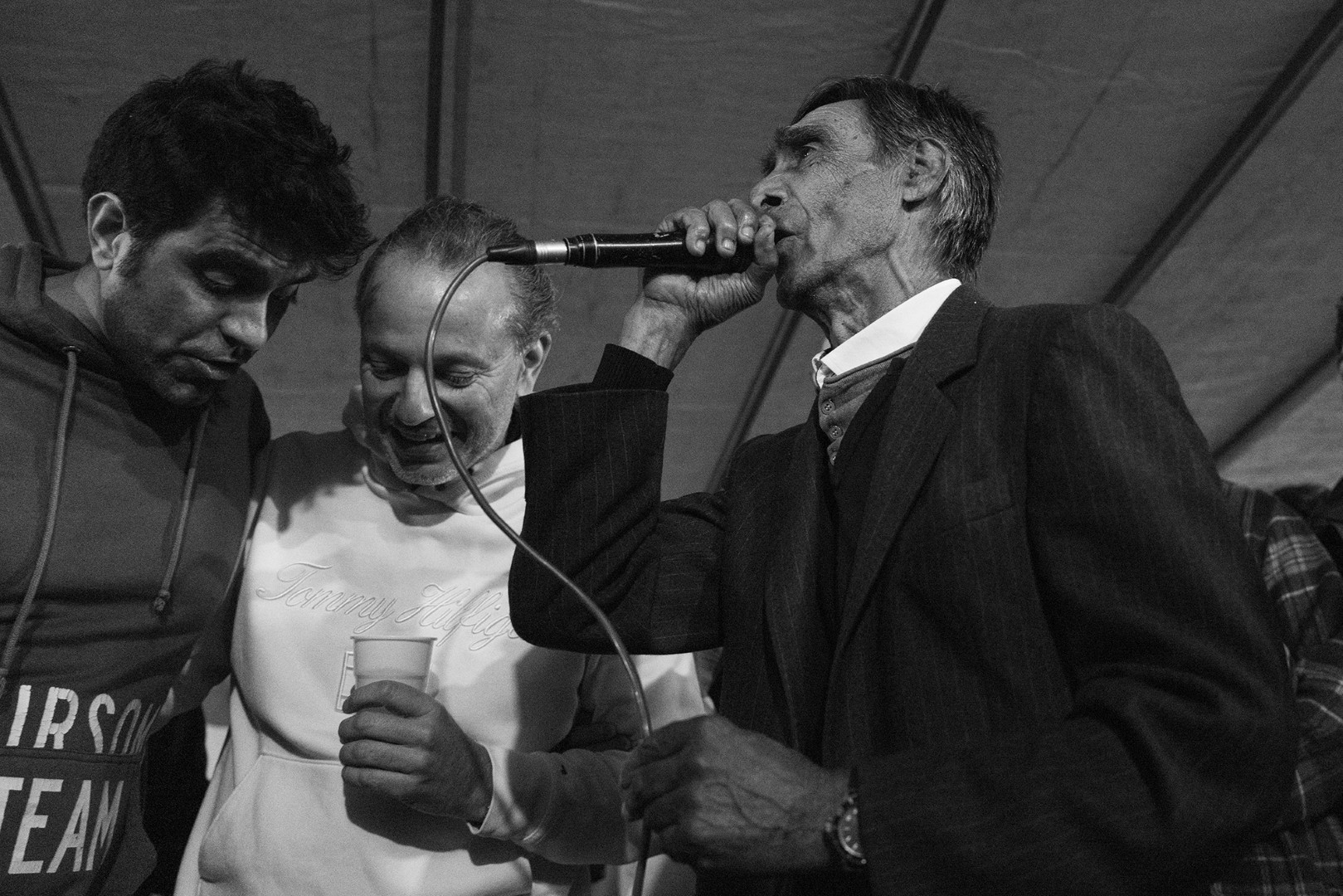
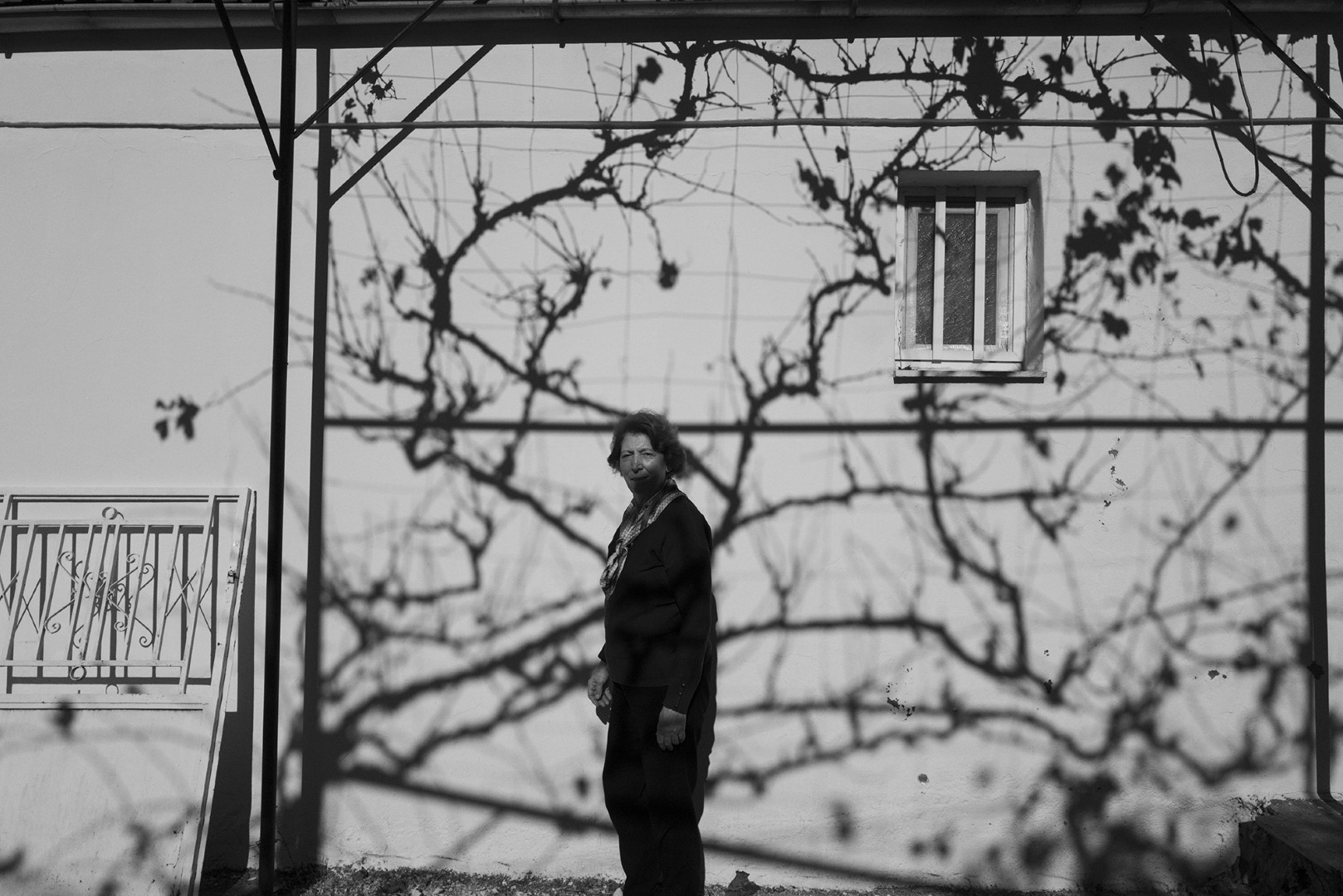
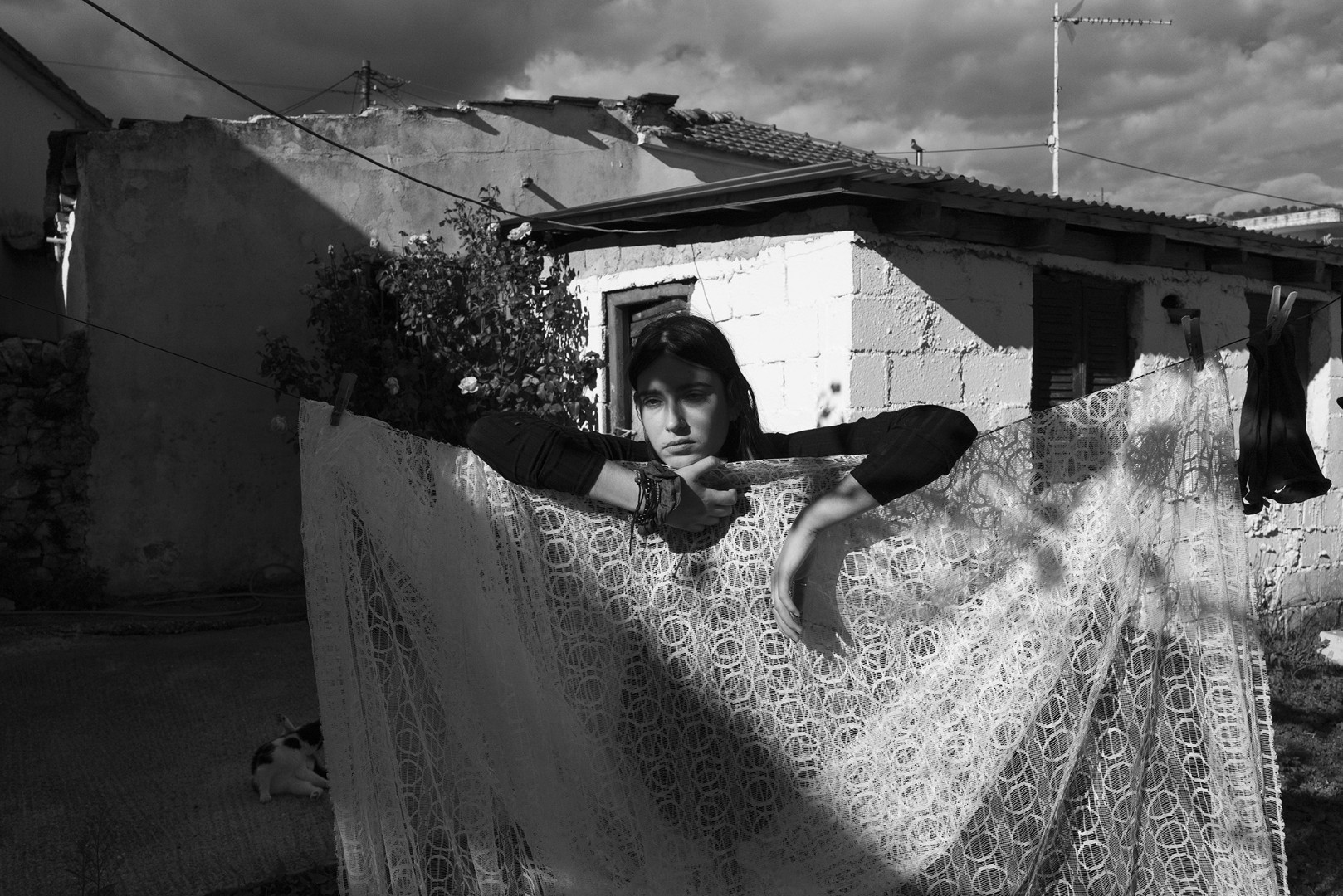
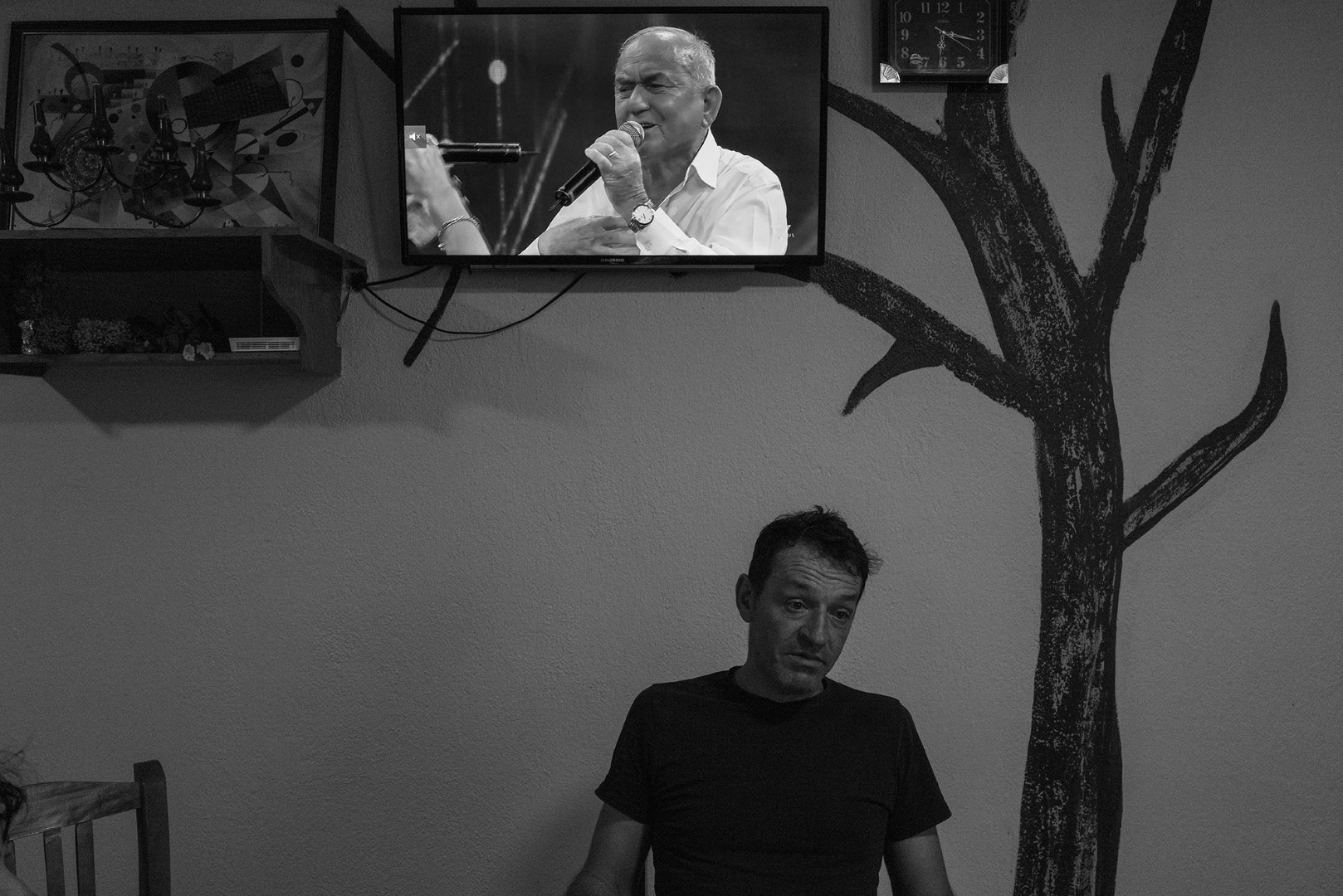
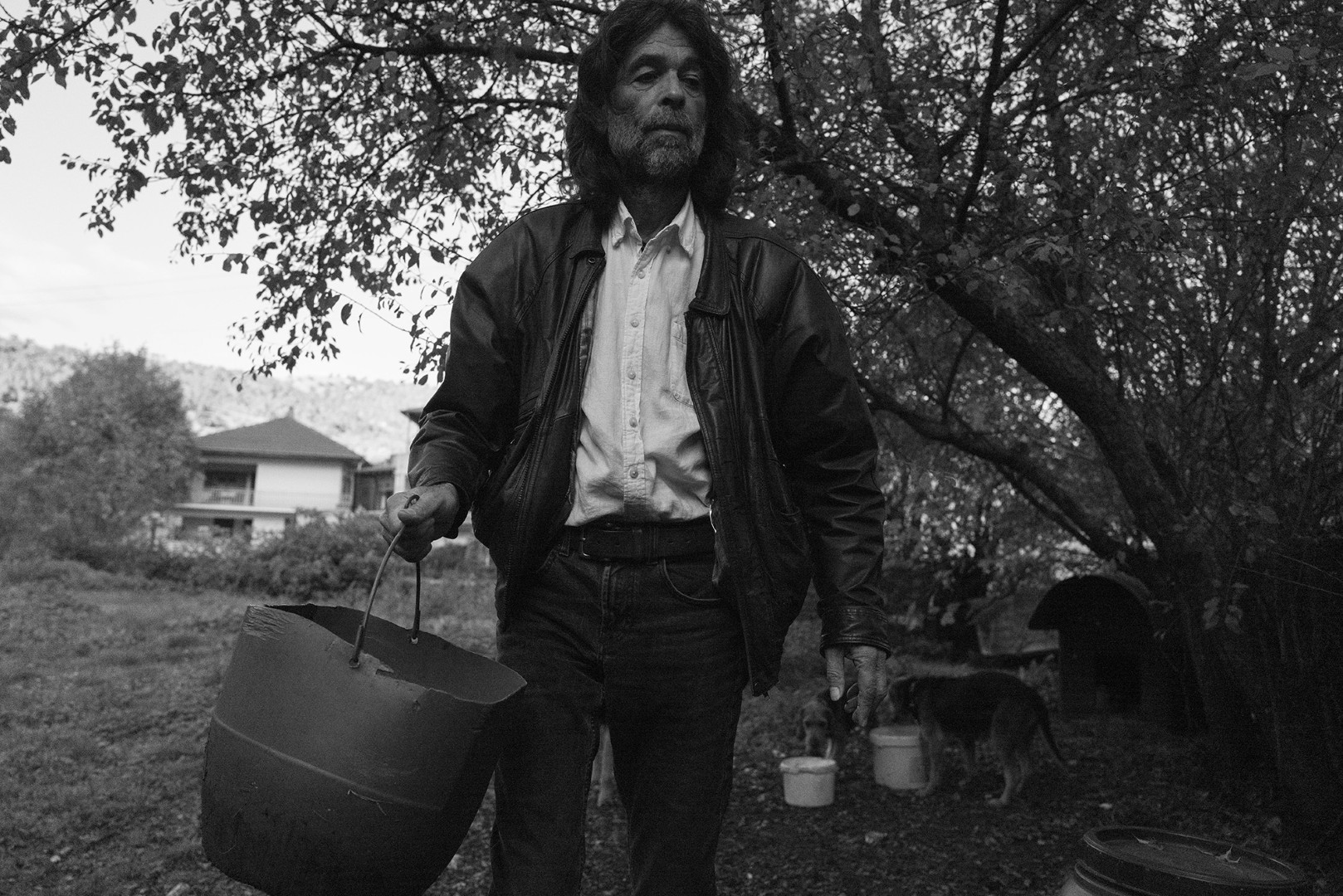
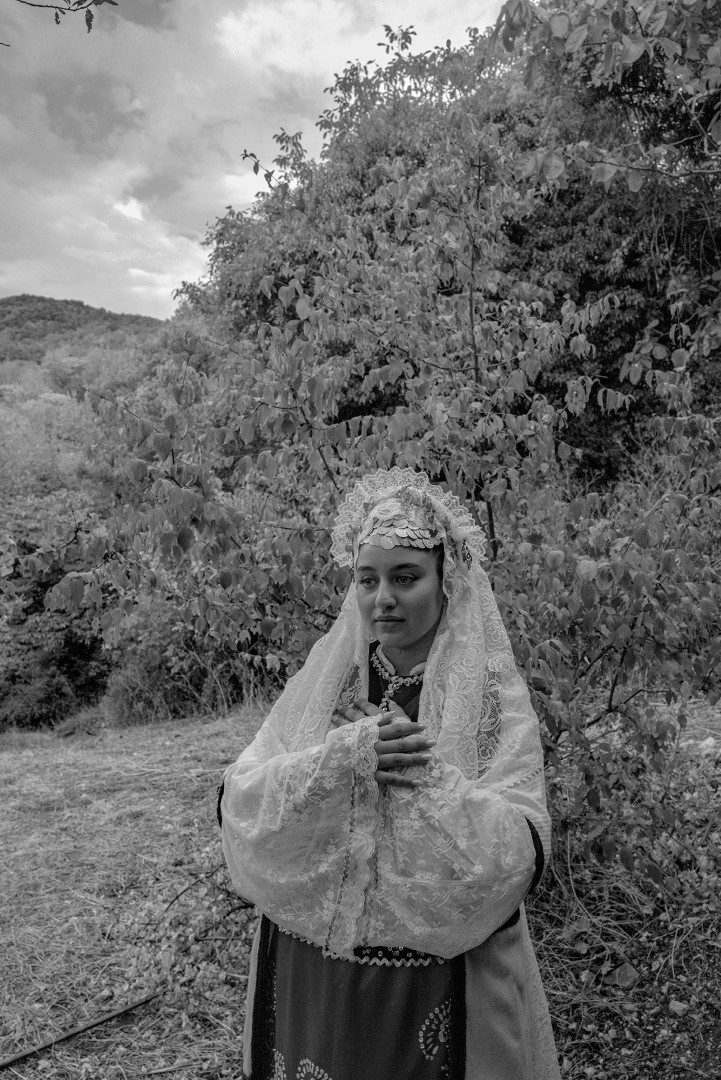
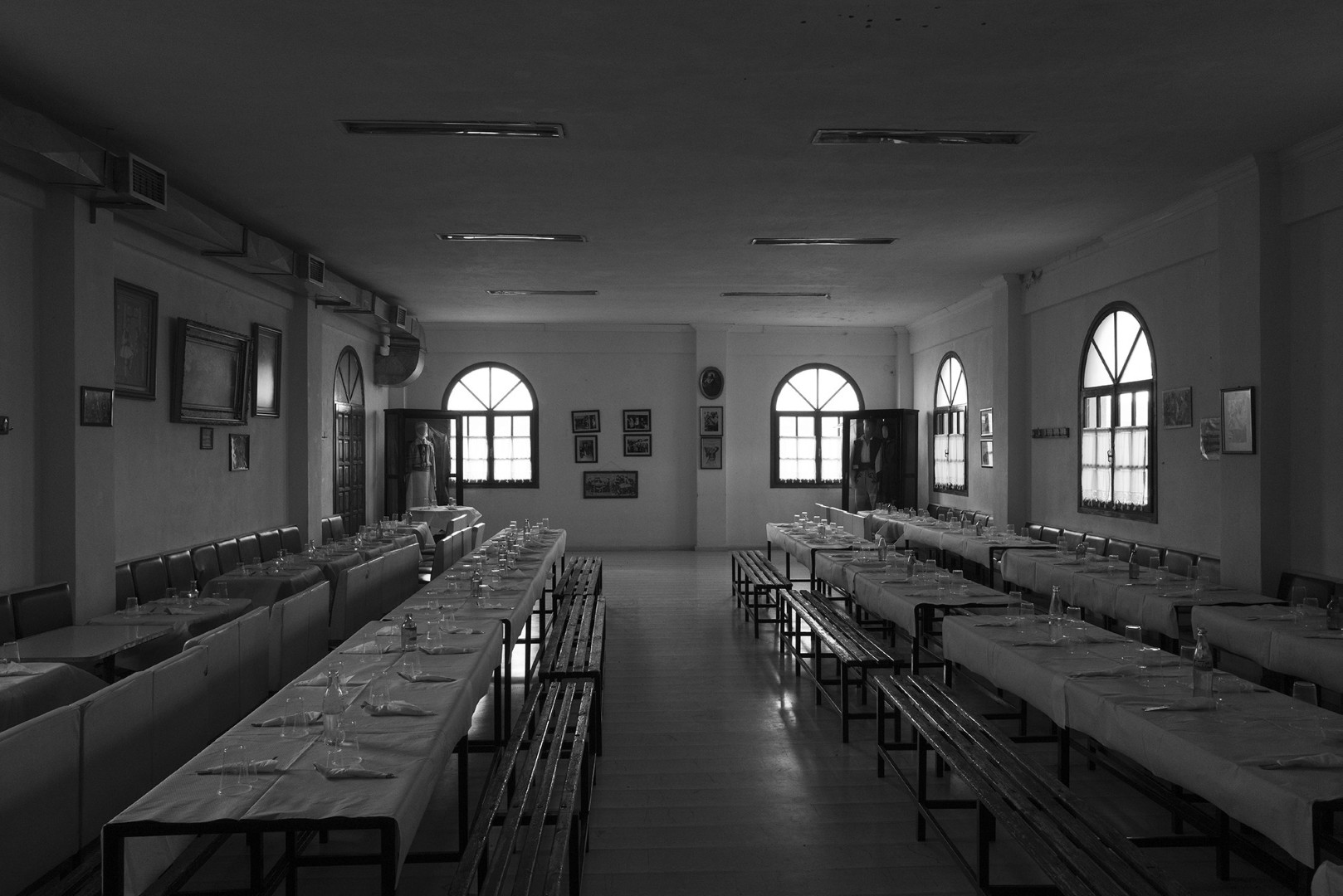
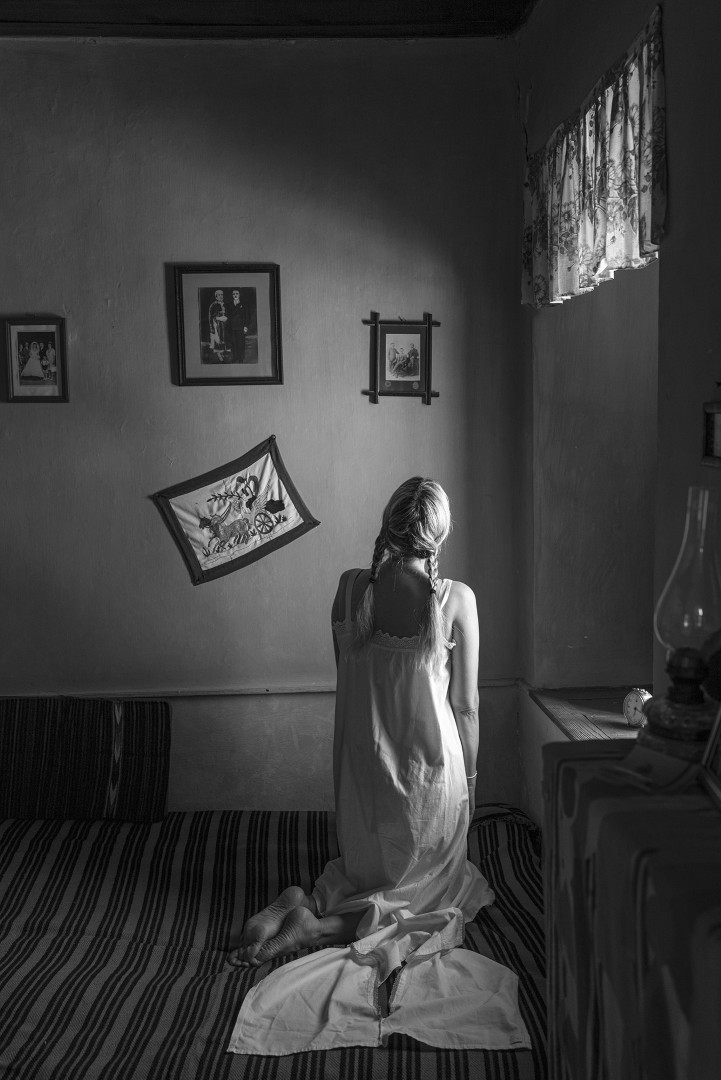
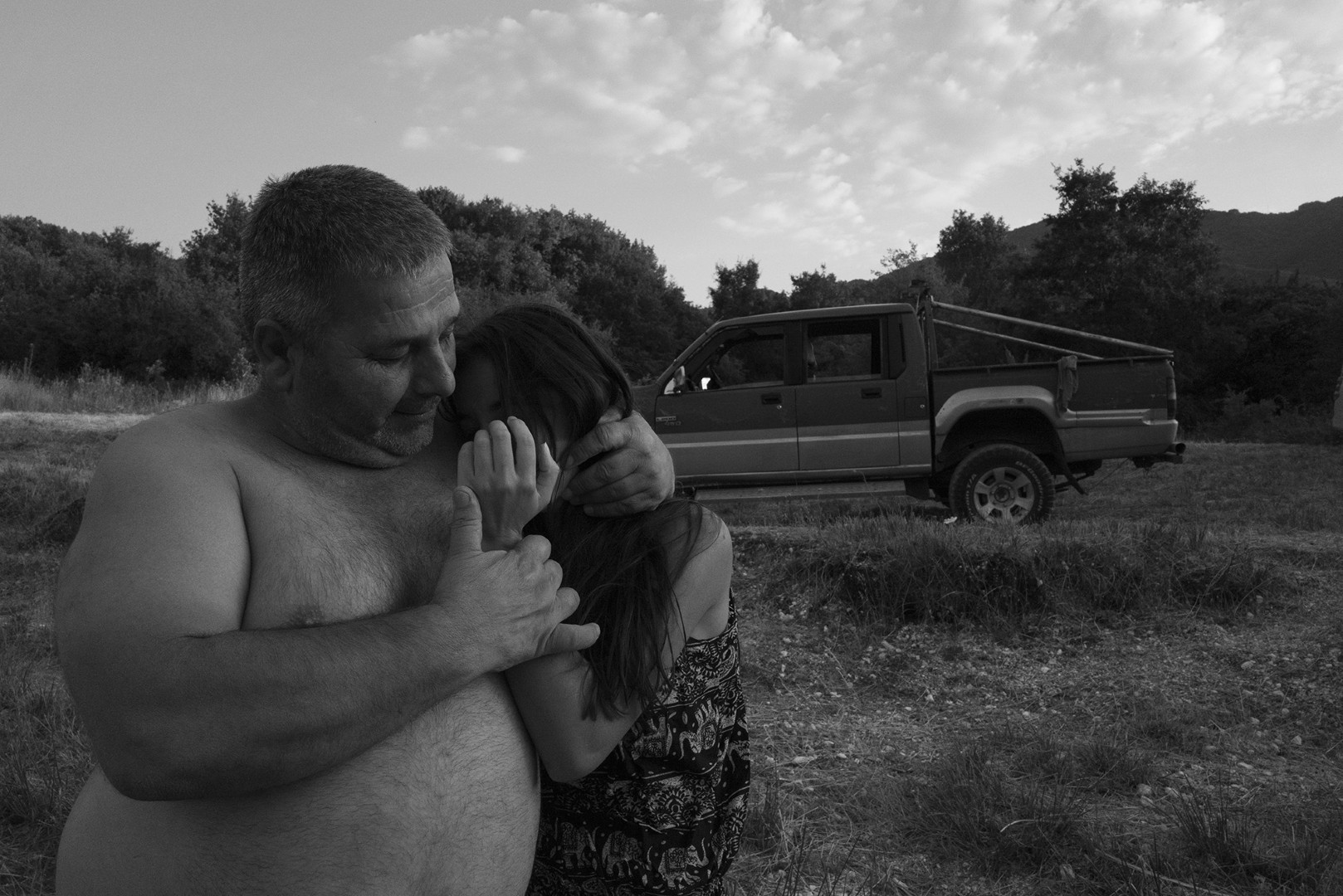
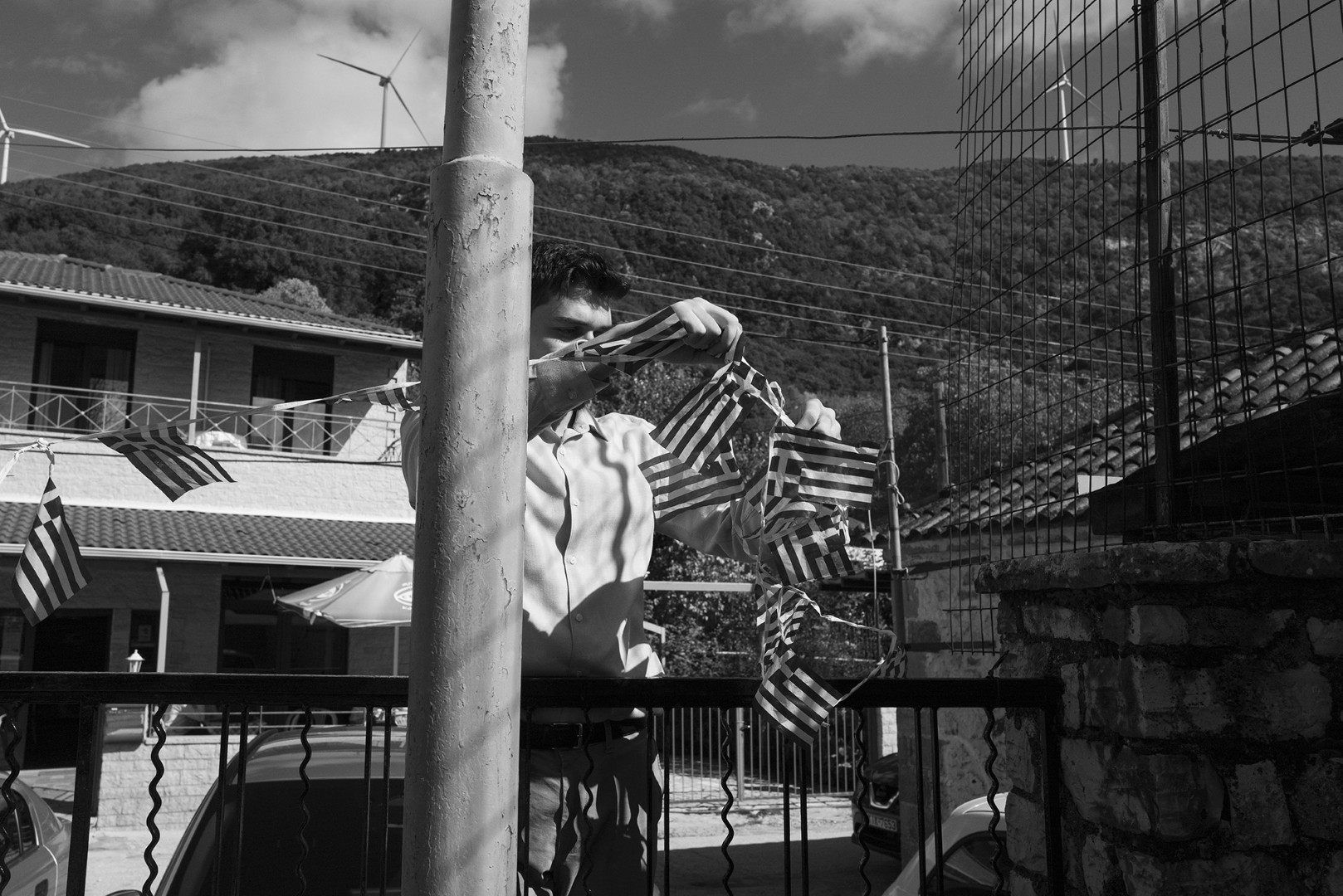
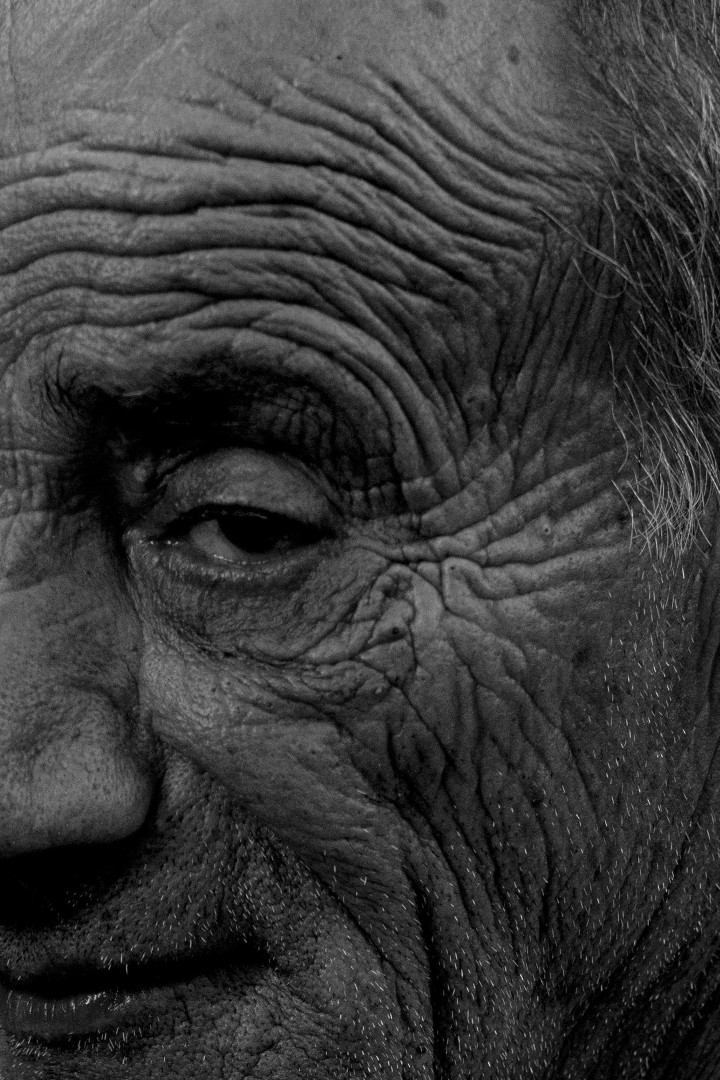
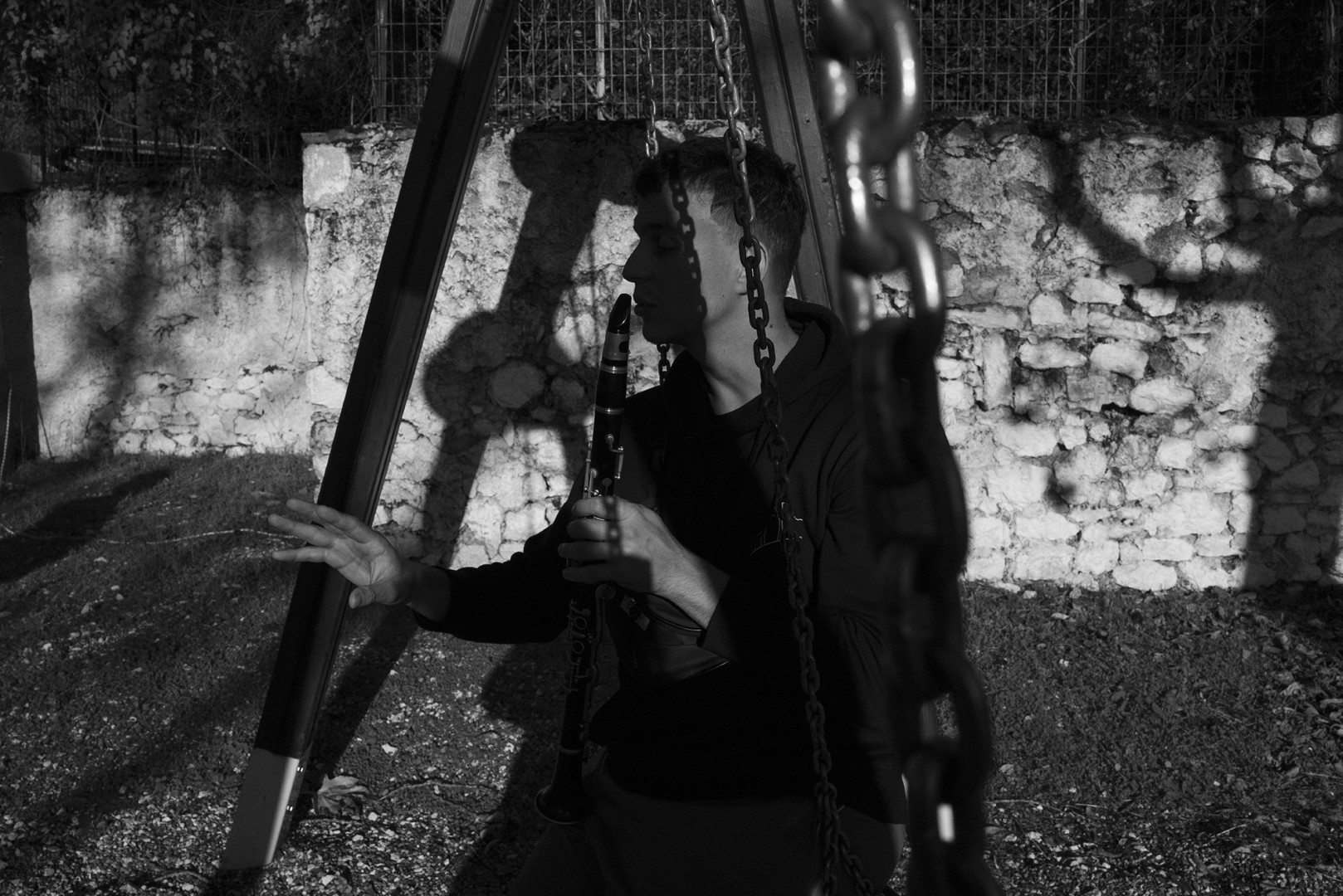
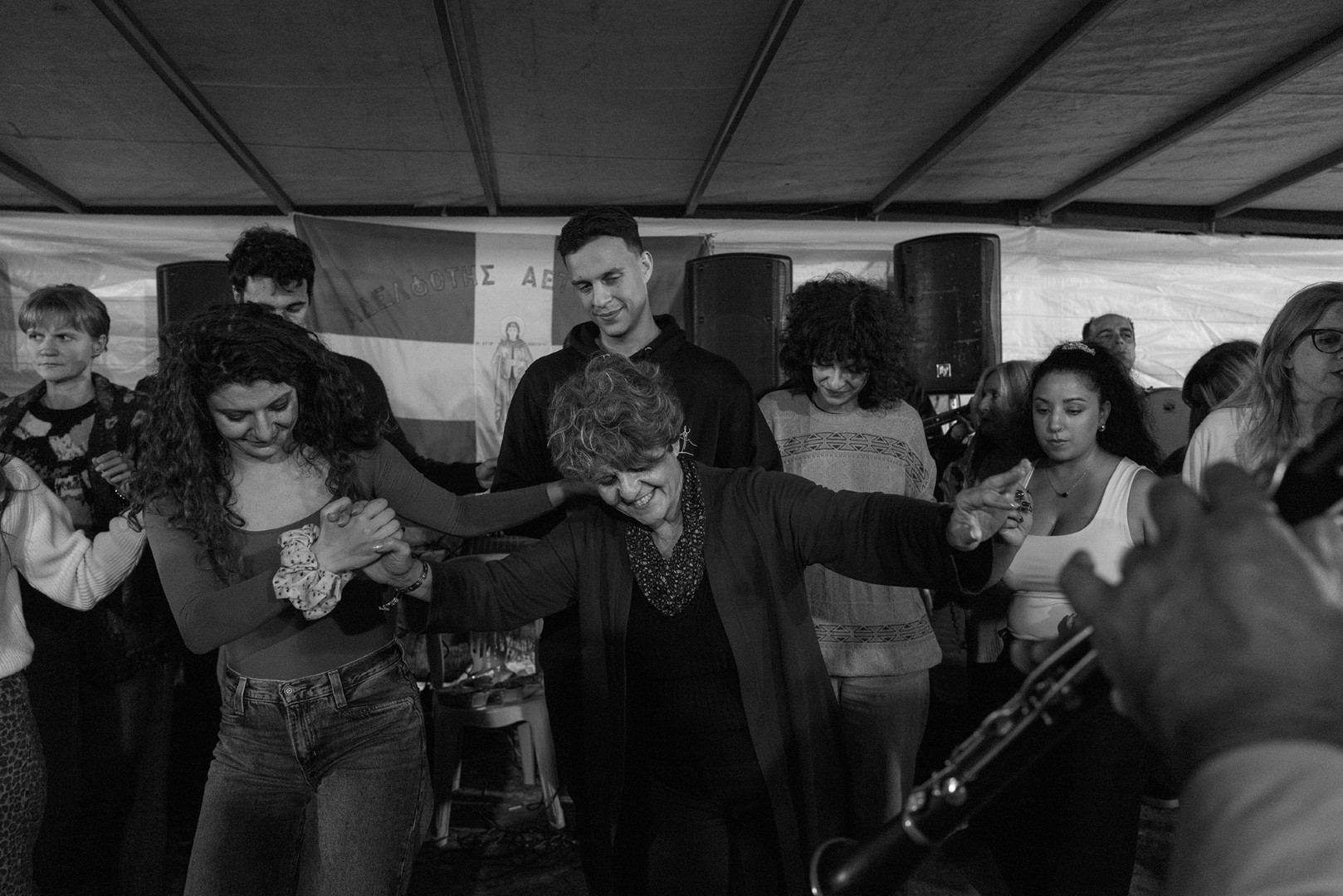
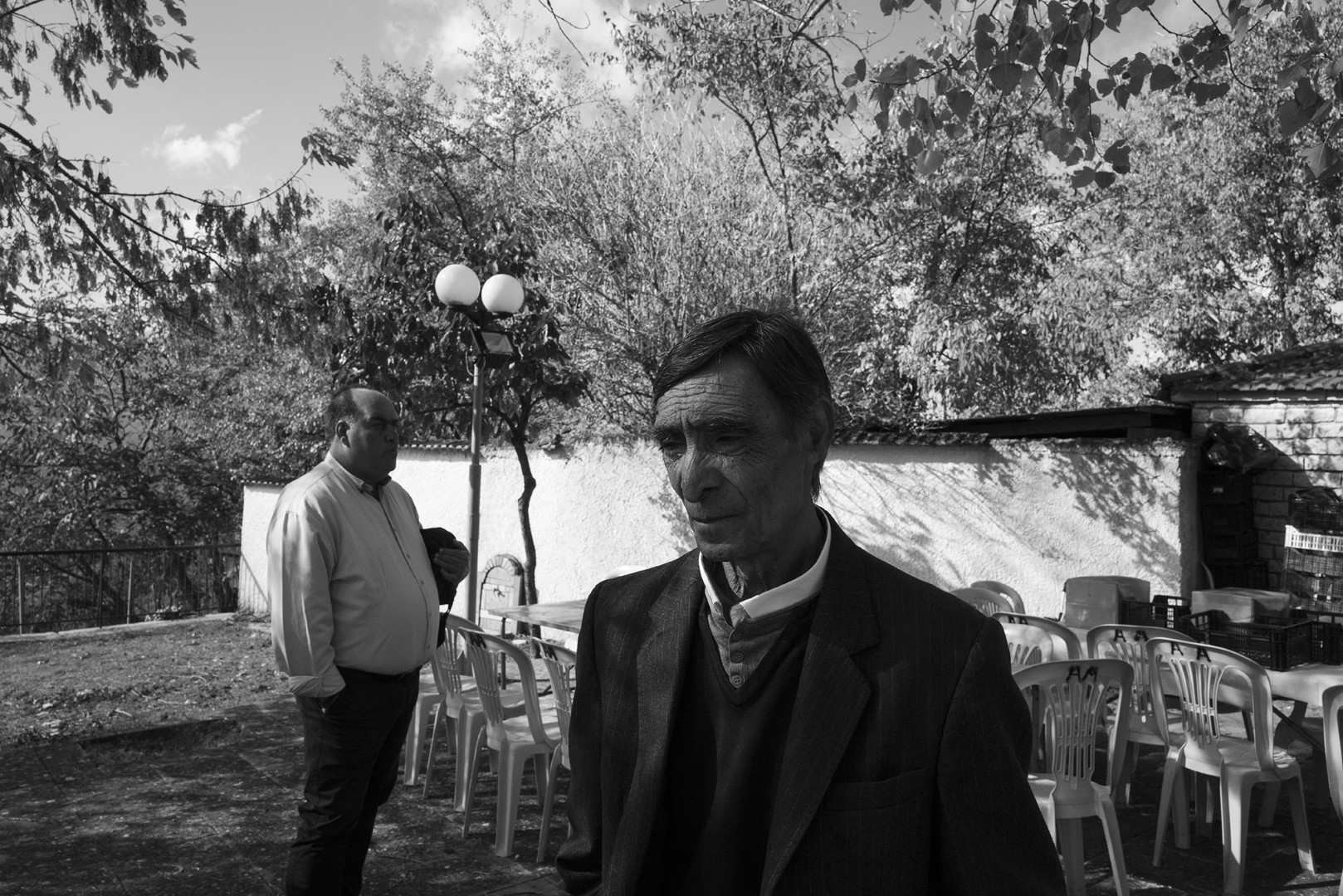
The Last Pogoni is a project, composed of autonomous chapters that, together, form a mosaic narrative of the area and everything connected to it. Each chapter explores different facets of life, culture, and memory in the Greek Pogoni, creating a layered portrait of a land both fragile and resilient.
The Greek Pogoni is one of the most remote and depopulated municipalities in Greece. Located on the border with Albania, it carries a fragile beauty and an intimate complexity that only borderlands can generate. The Last Pogoni was born from the desire to immerse in this complexity, rich yet fragile, and dominated by a pervasive sentiment: the sense of an imminent sunset. The inhabitants – and even those who come from here but live elsewhere – often feel that this is the last season for their villages, the last possible form of what Pogoni has always been.
This project is emotional, focusing on feelings, which are one of the key lenses through which to understand the work: it is not important to establish whether this territory is truly at the end of a cycle; what matters is that the people who live it feel it. And because they feel it, this perception becomes part of reality. Understanding what they mean, what they perceive, and why they believe it is the end is one of the project’s main objectives.
This sentiment has accompanied the area for at least a century, marked by constant exile. In their music, “η ξενιτιά” – the longing for one’s homeland – is a recurring theme. Adding to this is a history profoundly marked by suffering: not only by poverty but also by the violence that borders bring. The closure of the frontier divided families between Pogoni and Northern Epirus; during World War II, villages like Kerasovo were burned; and the civil war period was experienced by the inhabitants as one of the darkest and most traumatic moments in local history. Pogoni is a land that has learned to live with its wounds.
The Last Pogoni aims to be an archive for everyone connected to this land, a place to reconstruct memories and collective memory when something seems lost. Alongside photographs, it collects song lyrics, fairy tales, and videos of landscapes, festivals, and music.
At a universal level, this project reflects on bonds, care, plurality, and complexity. Above all, it is an invitation to reconnect with one’s feelings. On a personal level, it was born from a sense of responsibility toward a land that, with its nature, its music, and its people, cared for me.And it healed my heart.
Finalist 2025
Nikolas Chatzipolitis was born in 1981 in Volos. He has been involved in photography since 2000, when he attended courses at the Youth Center of Volos “Diavlos.”
Since 2023, he has been working as a photojournalist in collaboration with the Athens-Macedonian News Agency (ANA-MPA) and the European agency EPA Images, covering the region of Magnesia as a correspondent. He is a member of the Union of Photojournalists of Greece.
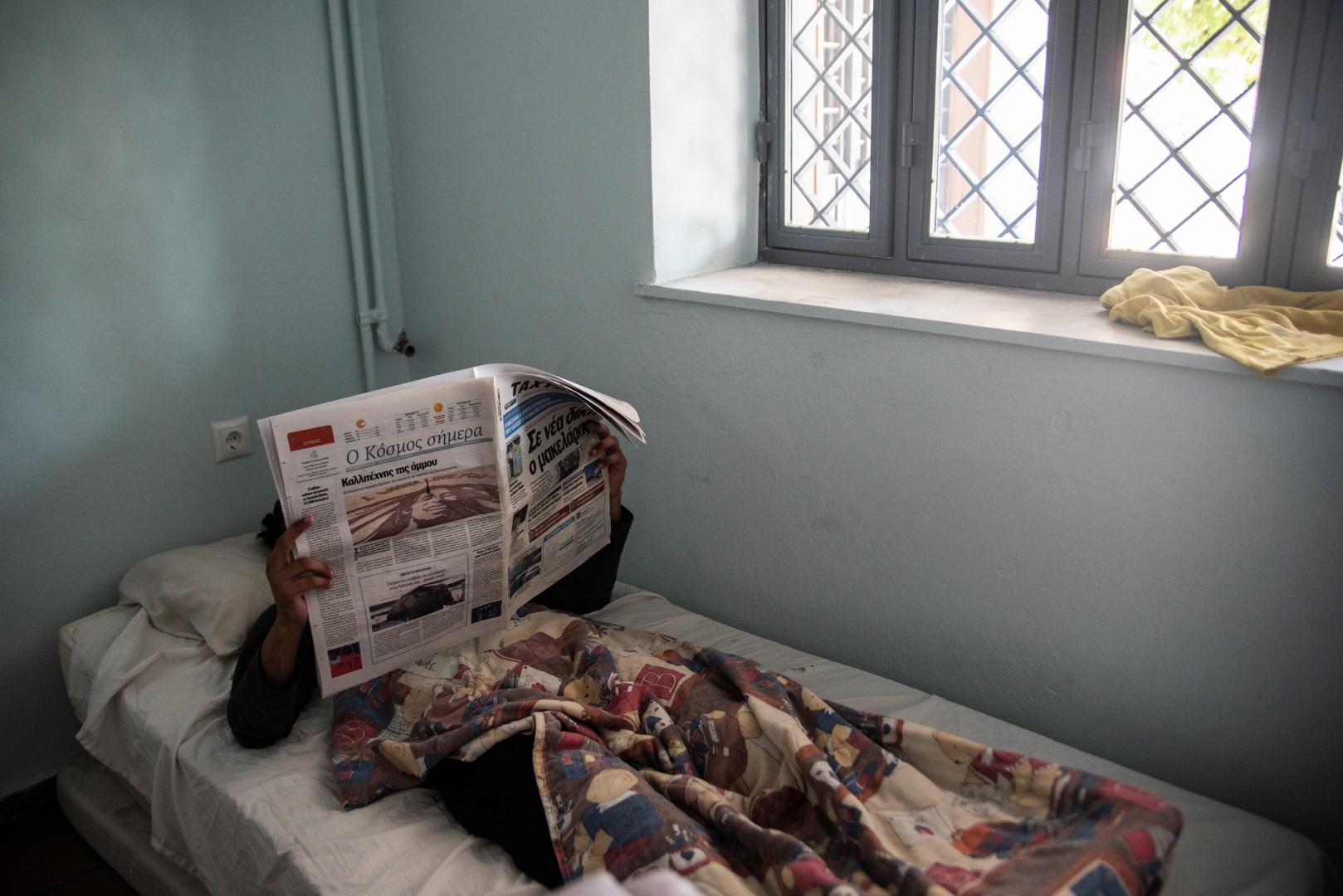
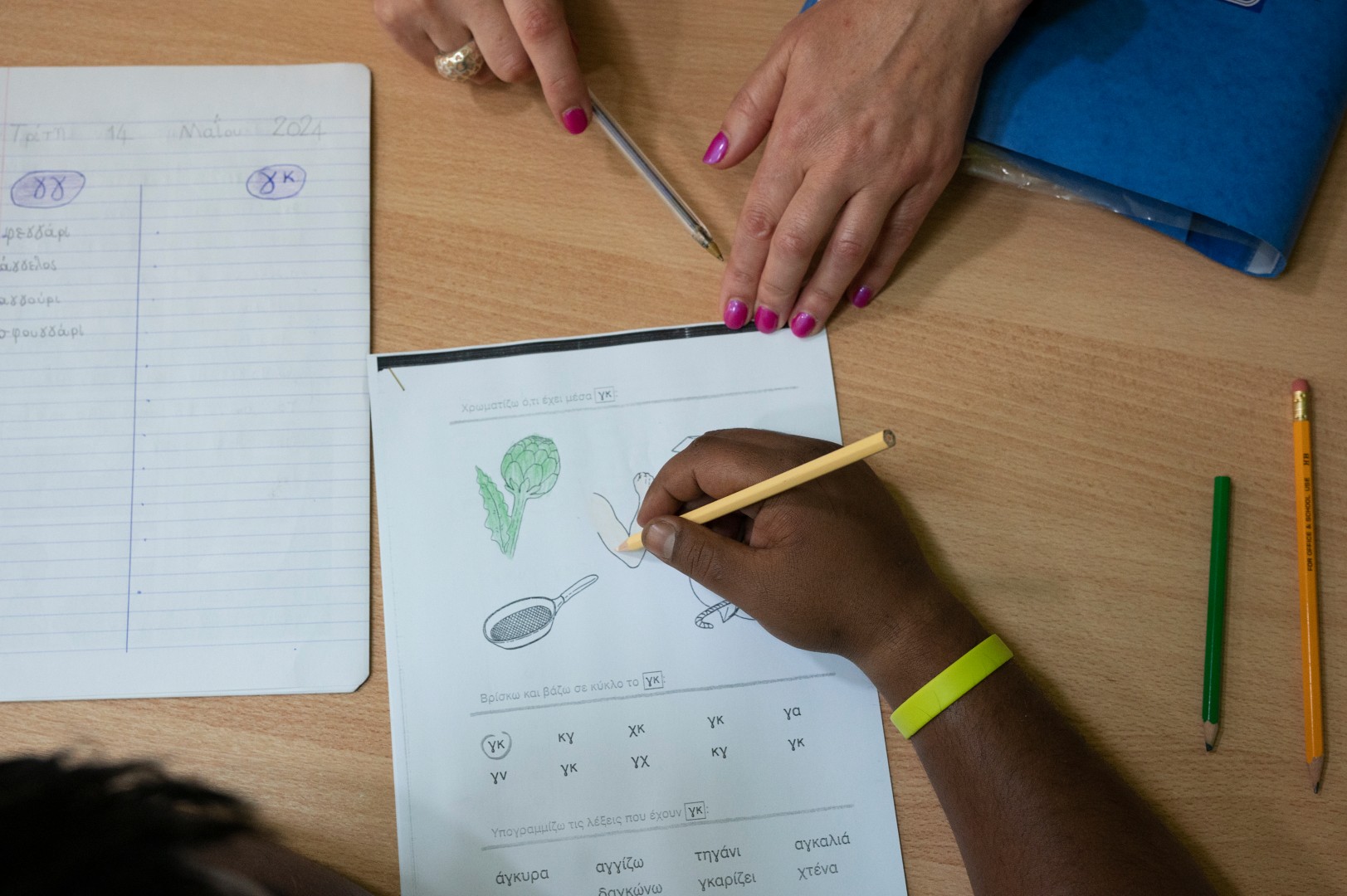
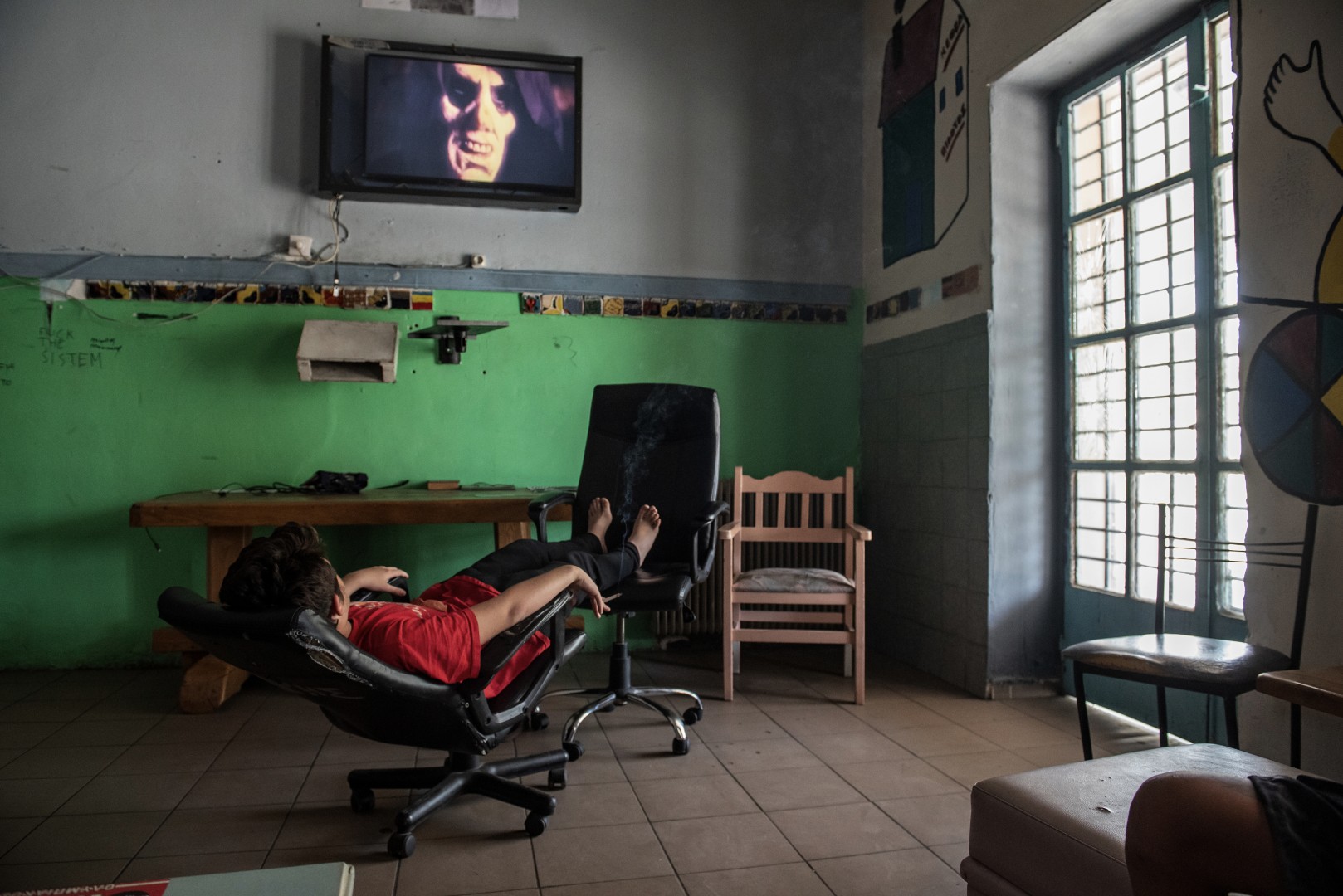
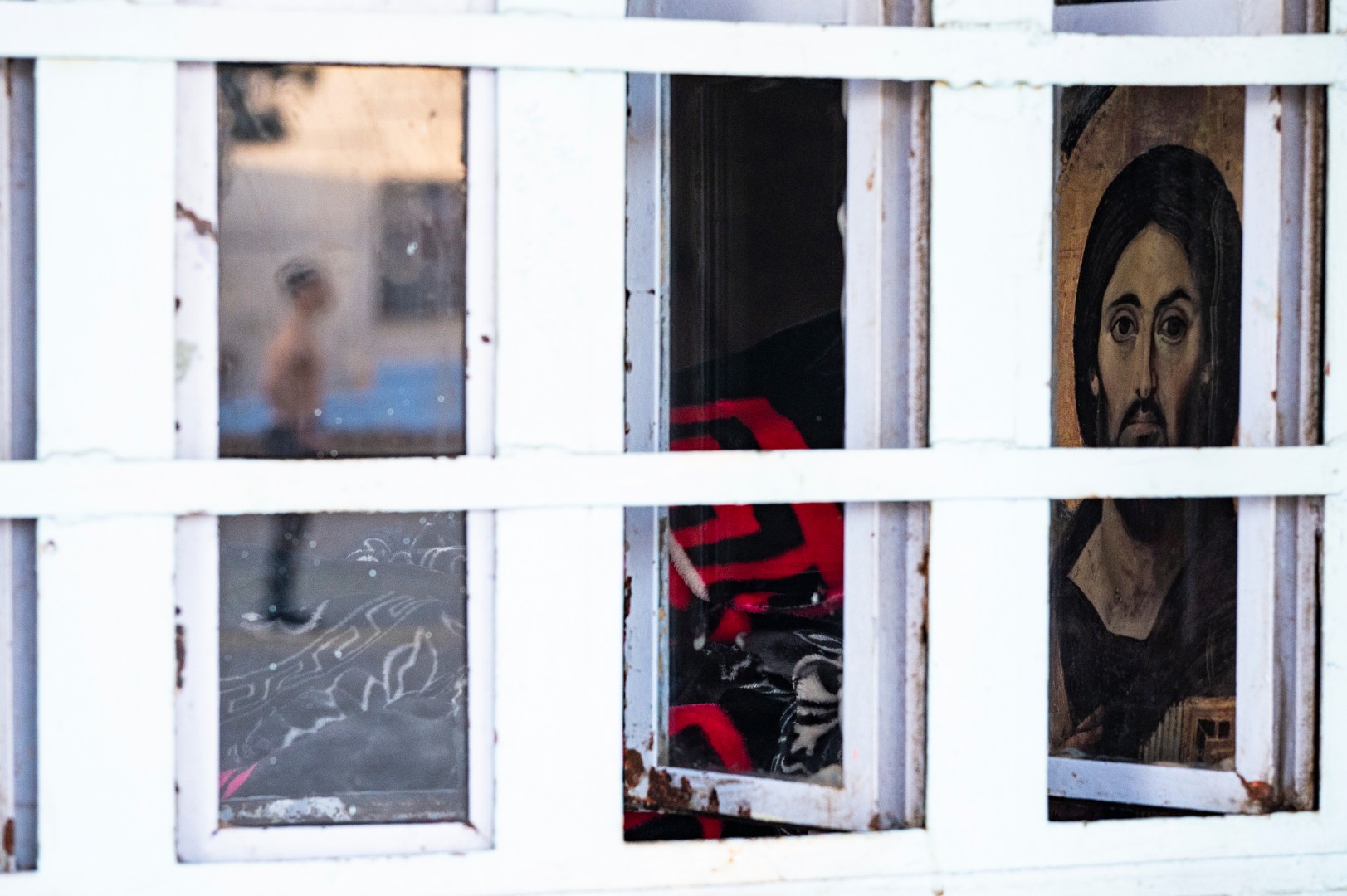
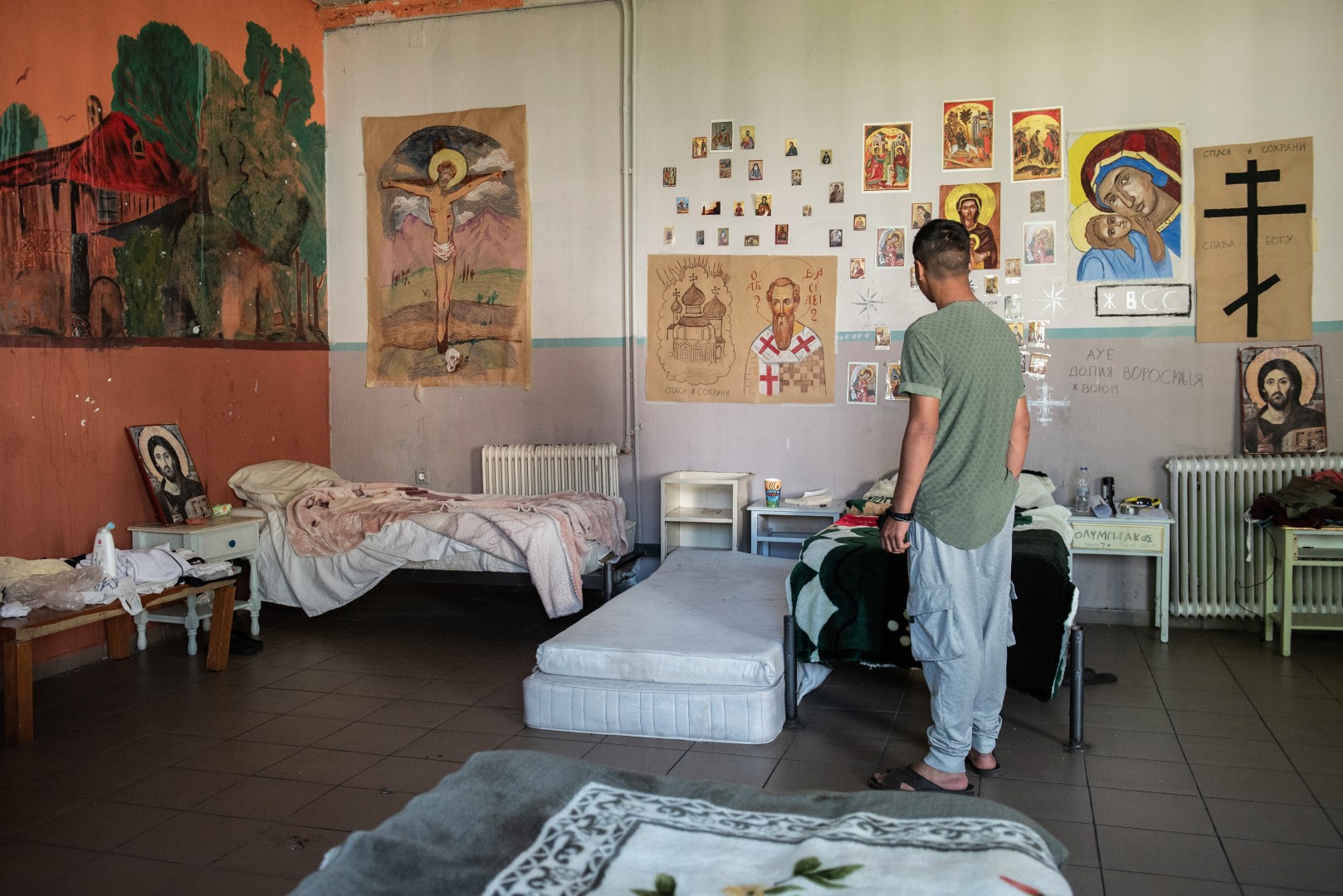
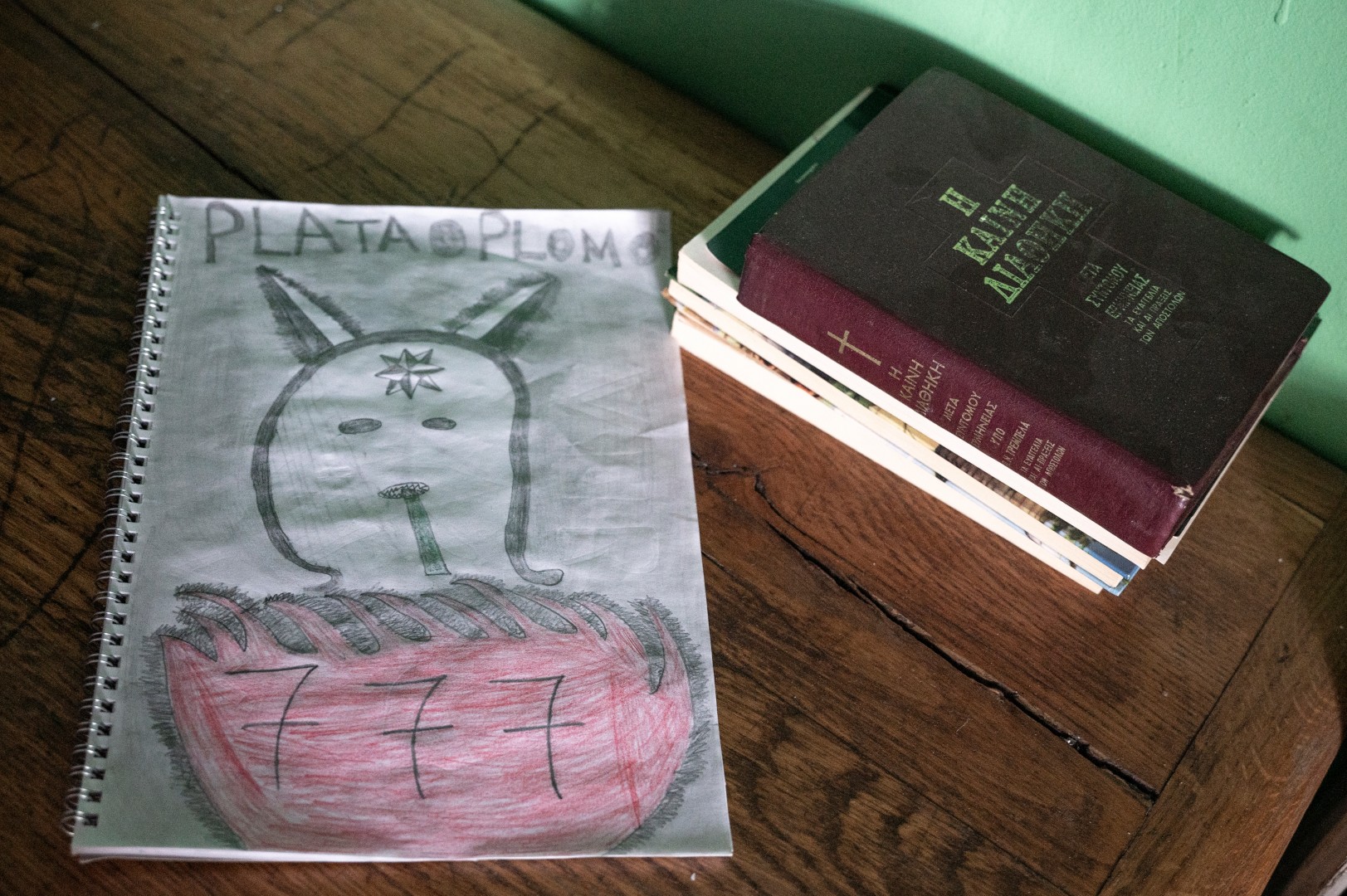
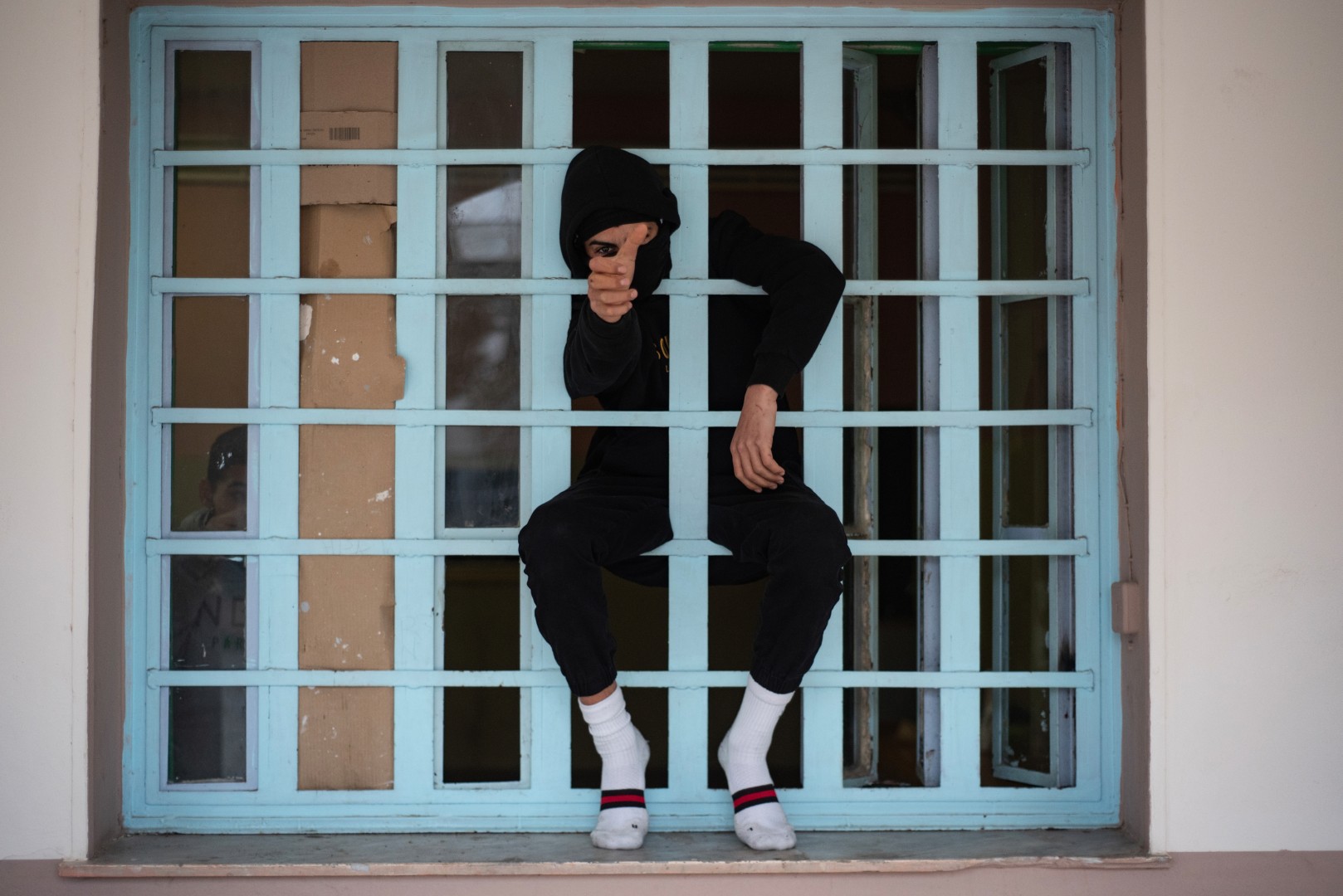
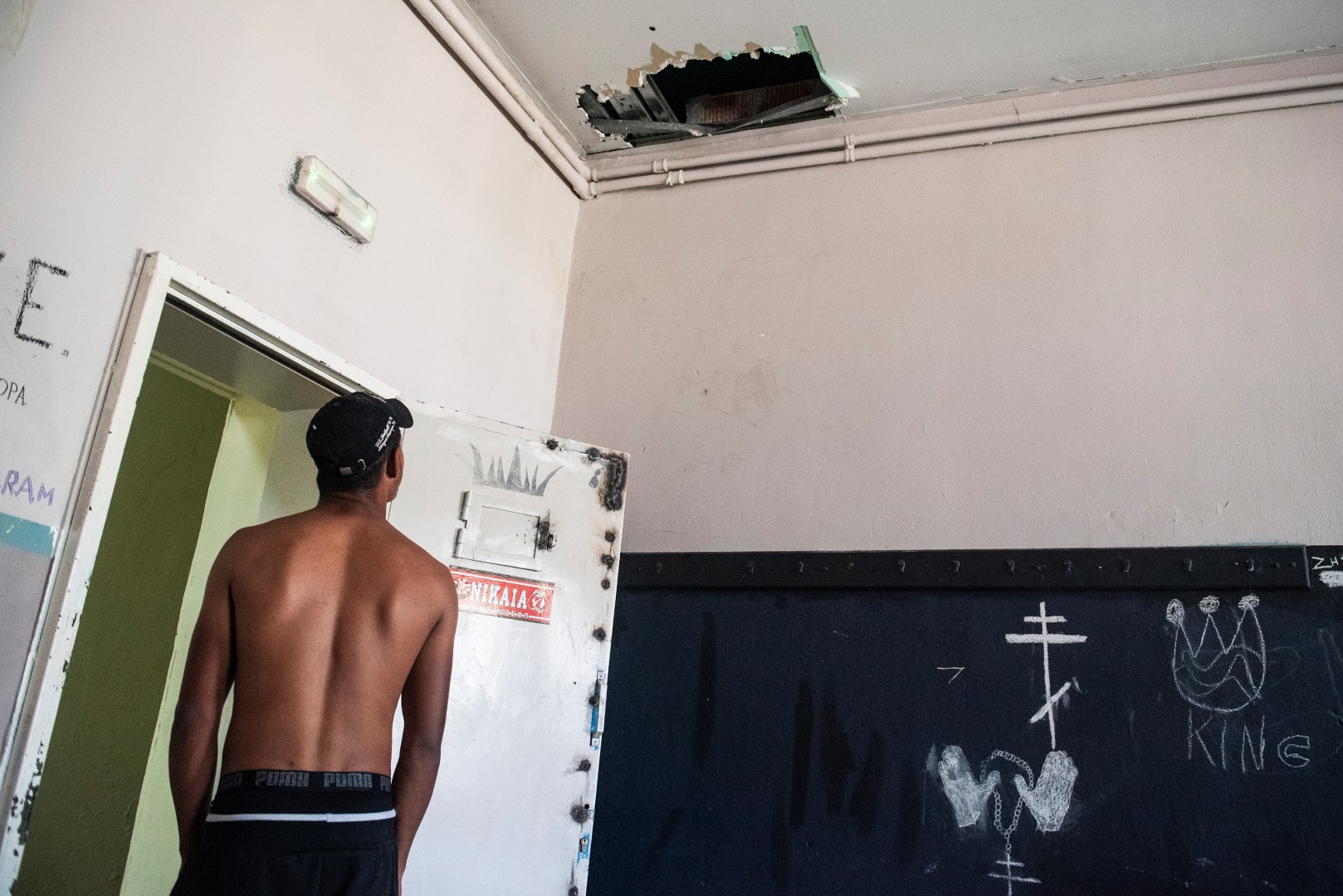
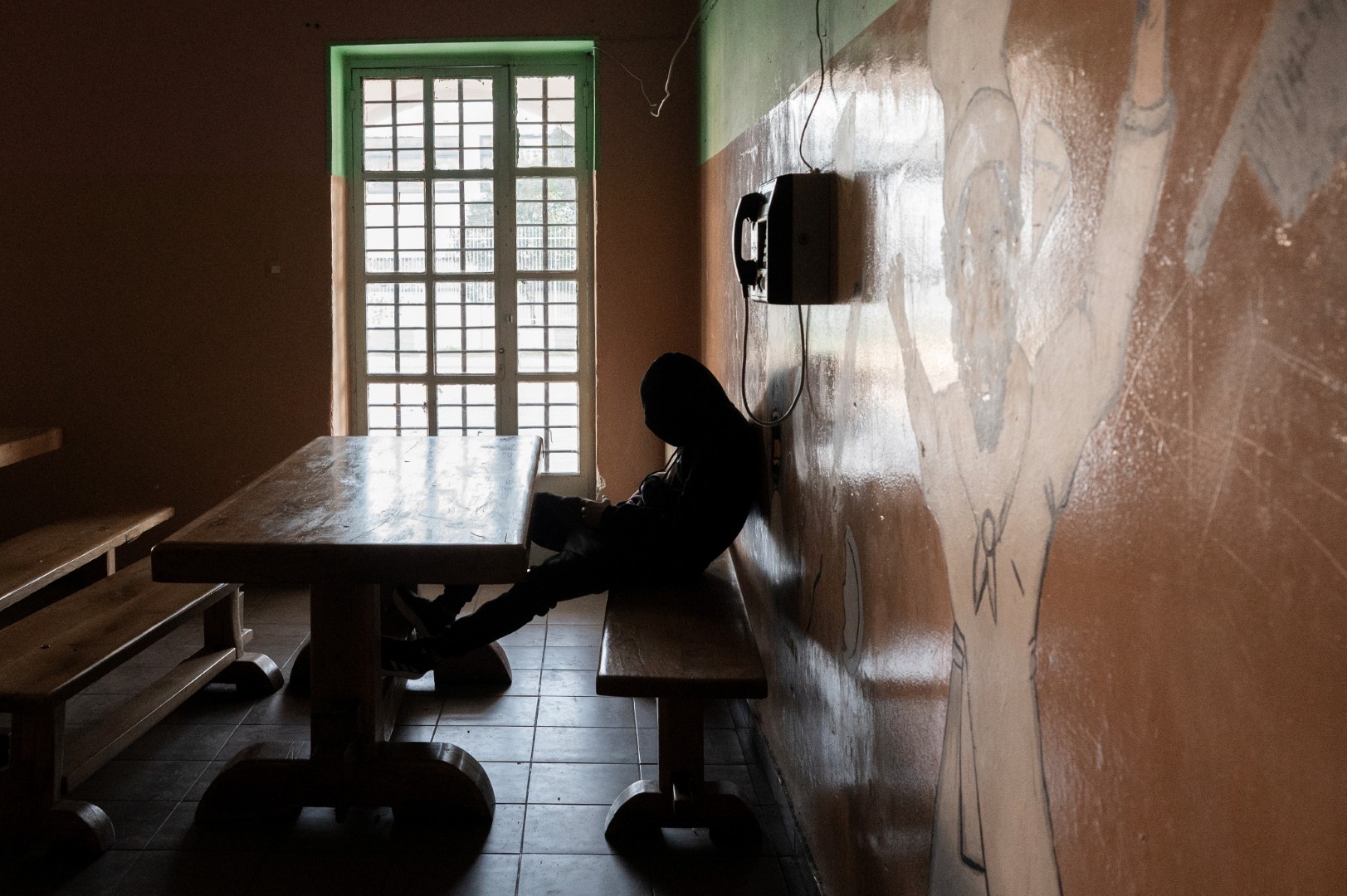
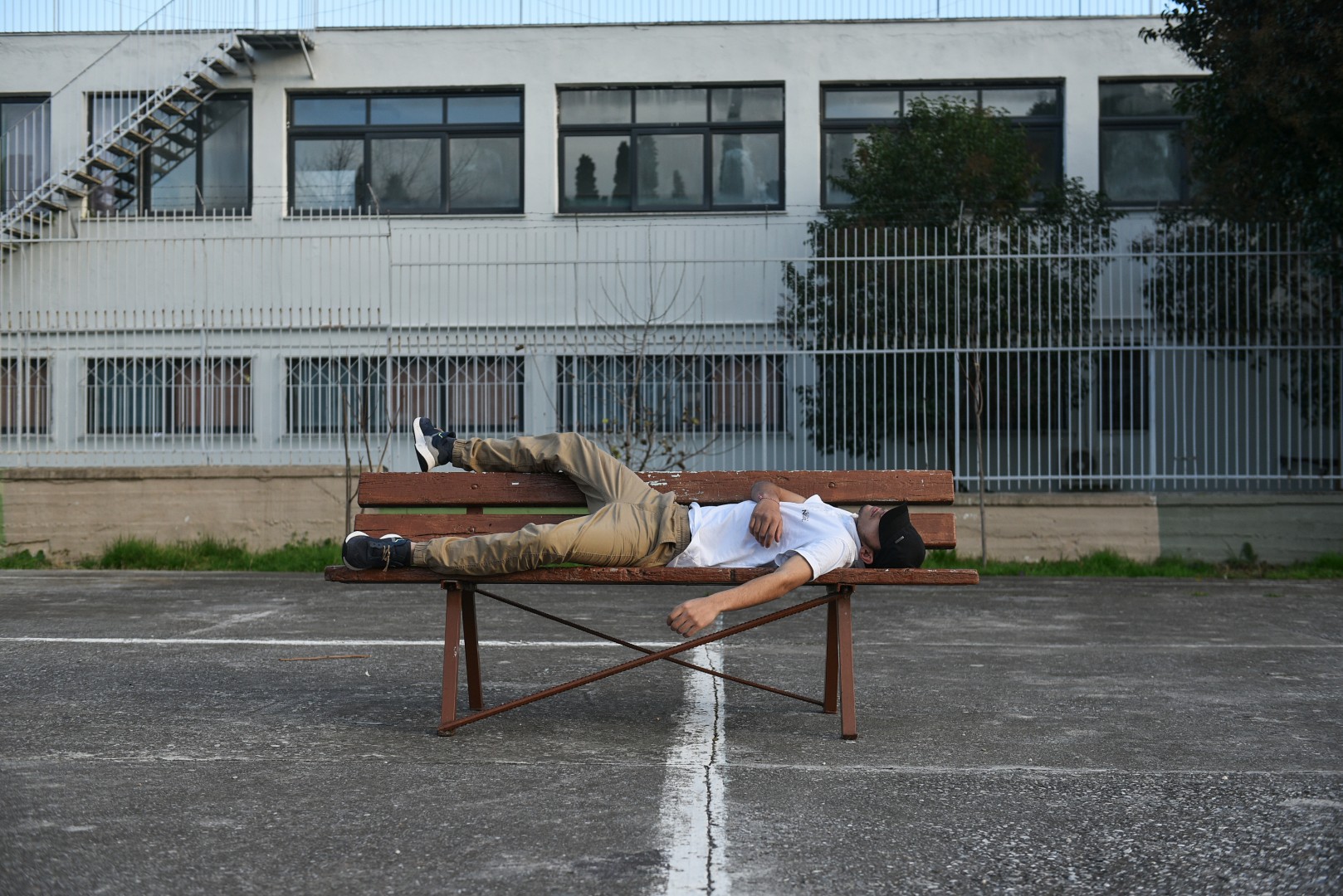
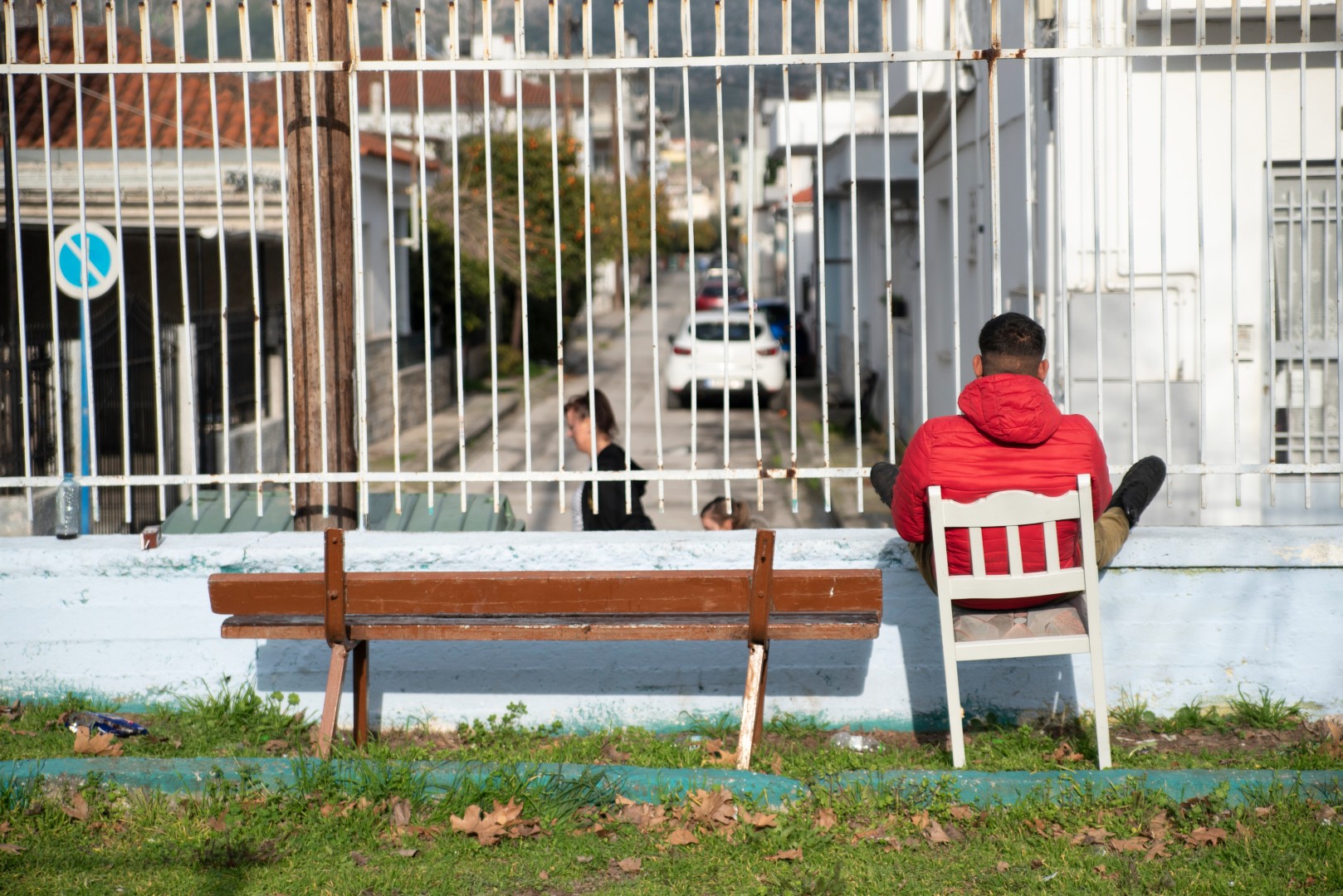
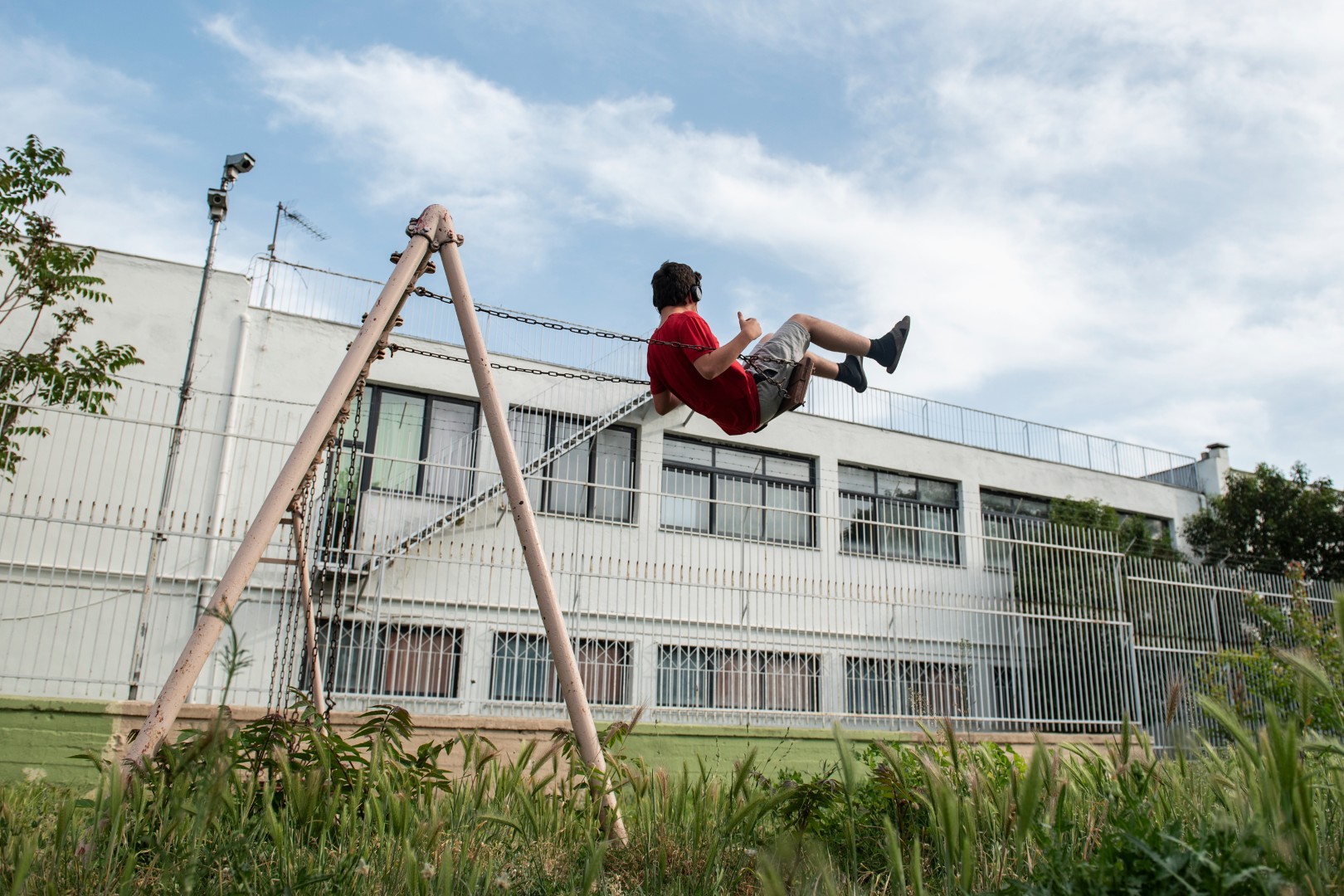
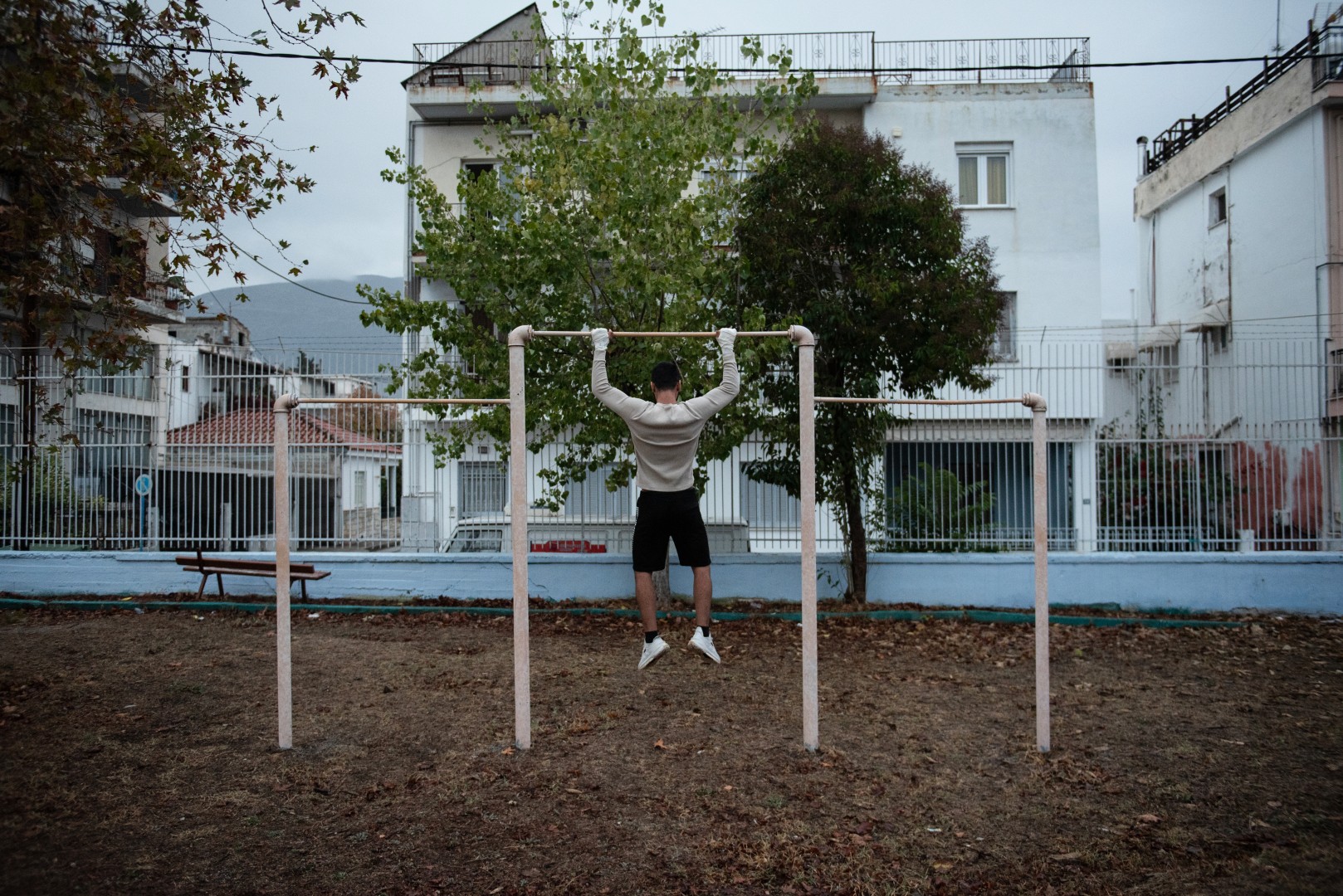
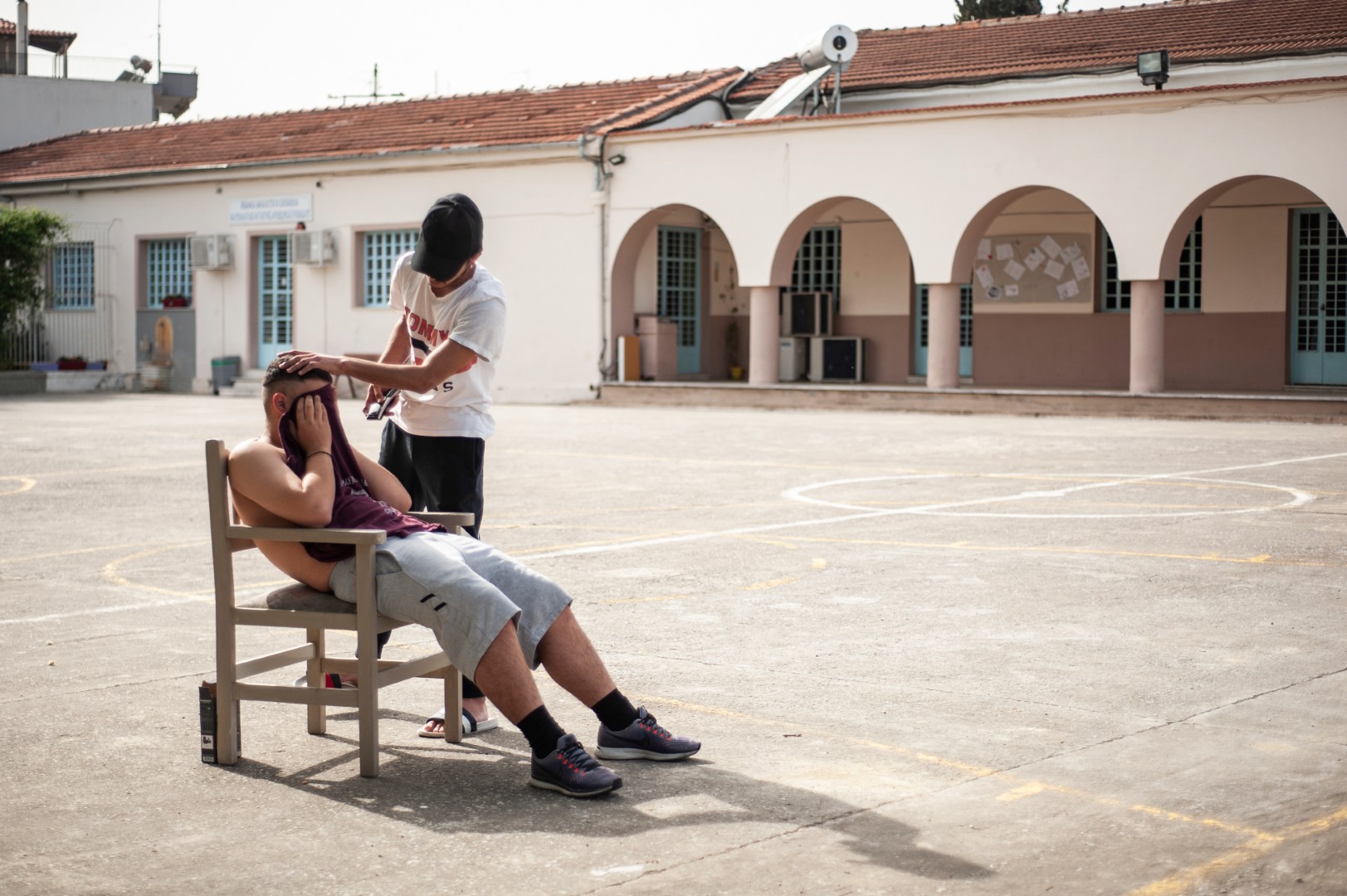
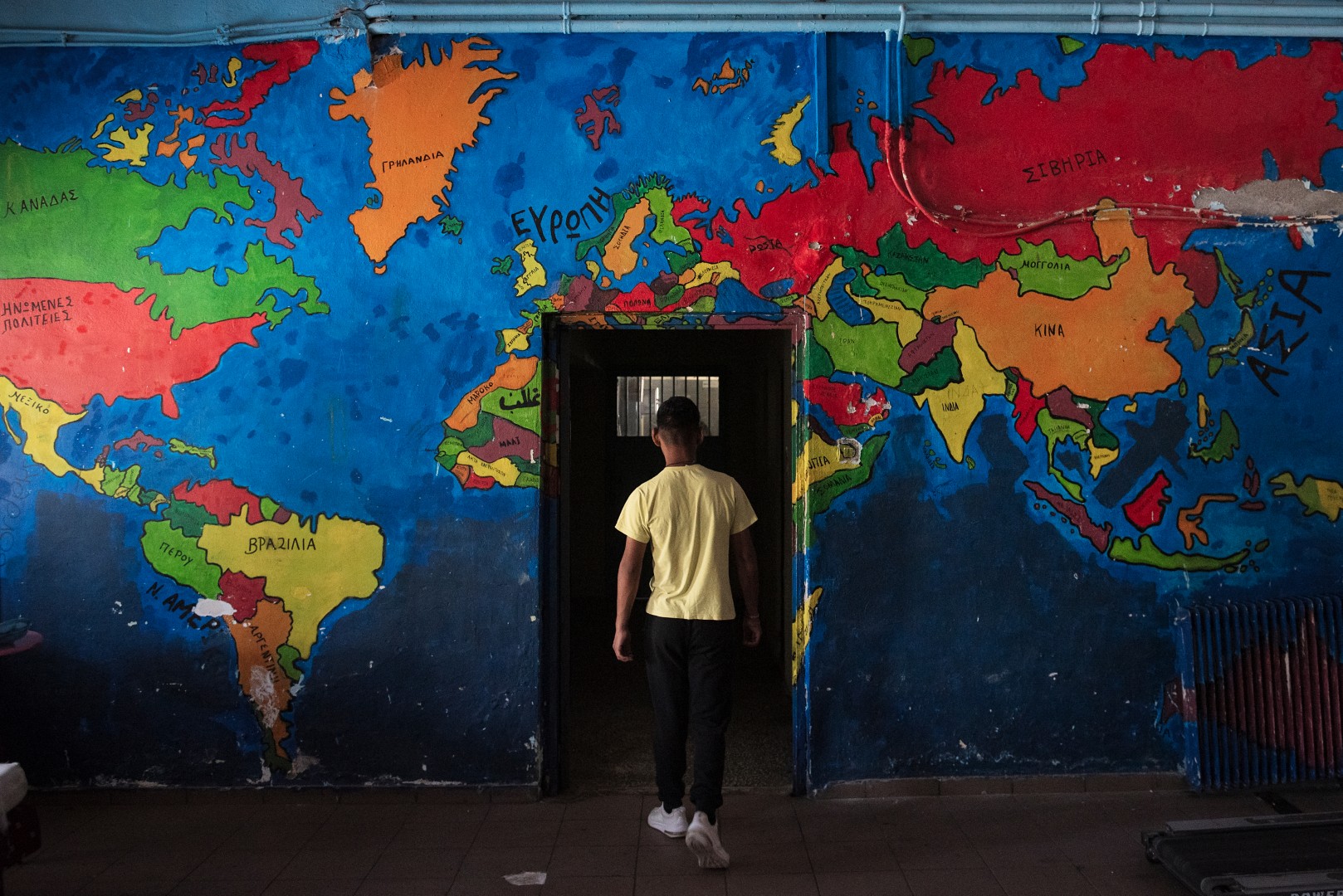
The Institution for the Education of Juvenile Boys is a special facility for the detention and protection of juveniles, where the stay of children is carried out following court orders and does not constitute a sentence, but is enforced as part of rehabilitation measures.
This photographic project focuses on the juveniles’ free time; regulated and daily time that is neither completely free nor completely controlled.